April 2017 Oblate Reflections and Lectio Divina
Topic: Praying the Psalms
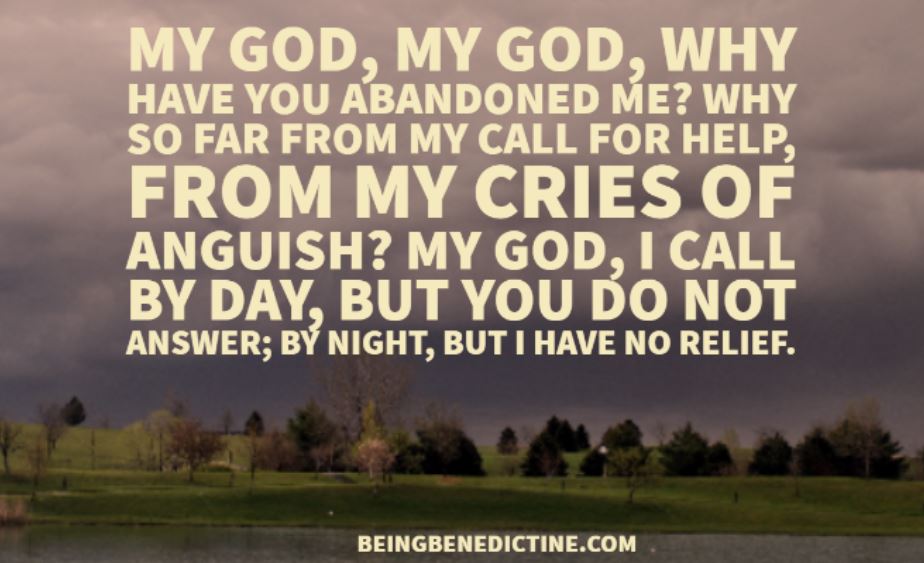
We can read the Psalms with three layers in mind: what the Psalm meant the first time it was prayed in history; how the Psalm hints at the life of Christ in the New Testament and how Jesus would have prayed it; and, finally, how it applies to our own lives and how we can pray the Psalms now. We pray Psalms 22: 1-32.
In practicing Lectio Divina, after reading the Scripture out loud, we contemplate, consider and reflect on what we have heard. The Scripture is read again. After some time of silence, we are welcomed to share a word or phrase that speaks to us.
All night long I call and cannot rest, my soul will live for you. They never trusted you in vain. Do not stand aside trouble is near. They trusted and you rescued them. If God is your friend let God rescue you. Rescue my soul from the sword. More worm than human. My heart is like wax melting inside me.
One participant said the images of wild beasts in the desert environment was overwhelming—she had no words. We rest in silence, some speak, a few sniffles, a sigh. The verses and words in this Psalm touch each of us in a unique way.
What resonates with you from reading Psalms 22? This is what resonated with us:
So many feelings are expressed in this Psalm—complaint, fear, desperation, anguish, hopelessness. We tend to think that we should feel in a certain way, that trust is the superior action or emotion, but it is human to feel all of the desperate feelings mentioned. We can accept all of our emotions because God lets us feel all of those things and desires that we express them. Continue reading “Praying the Psalms ~ Psalm 22”

 what do we feel? An earthquake. Everything is splitting open, the old is collapsing, and the new is stepping out. The sound of the earthquake and stones rolling away, that is the announcement of Easter this year. But it is a new day, a new creation, the old has passed. After the earthquake, we cannot go back. Life is not the same, for Jesus, for the women, for disciples. Dare I say, for us also?


 Being Benedictine