Search

Being Benedictine

Living SoulFully as an Oblate of St. Benedict

Category

Visio Divina ~ SoulCollage®

Pray without Ceasing: A Way of Being

Being a Benedictine oblate is a way of life. Oblates desire to live as monks in the world, seeking God by recognizing the sacred in their everyday life, in their family, and in their workplace. Being part of a community of monks and oblates is a source of learning and support for our spiritual journey.

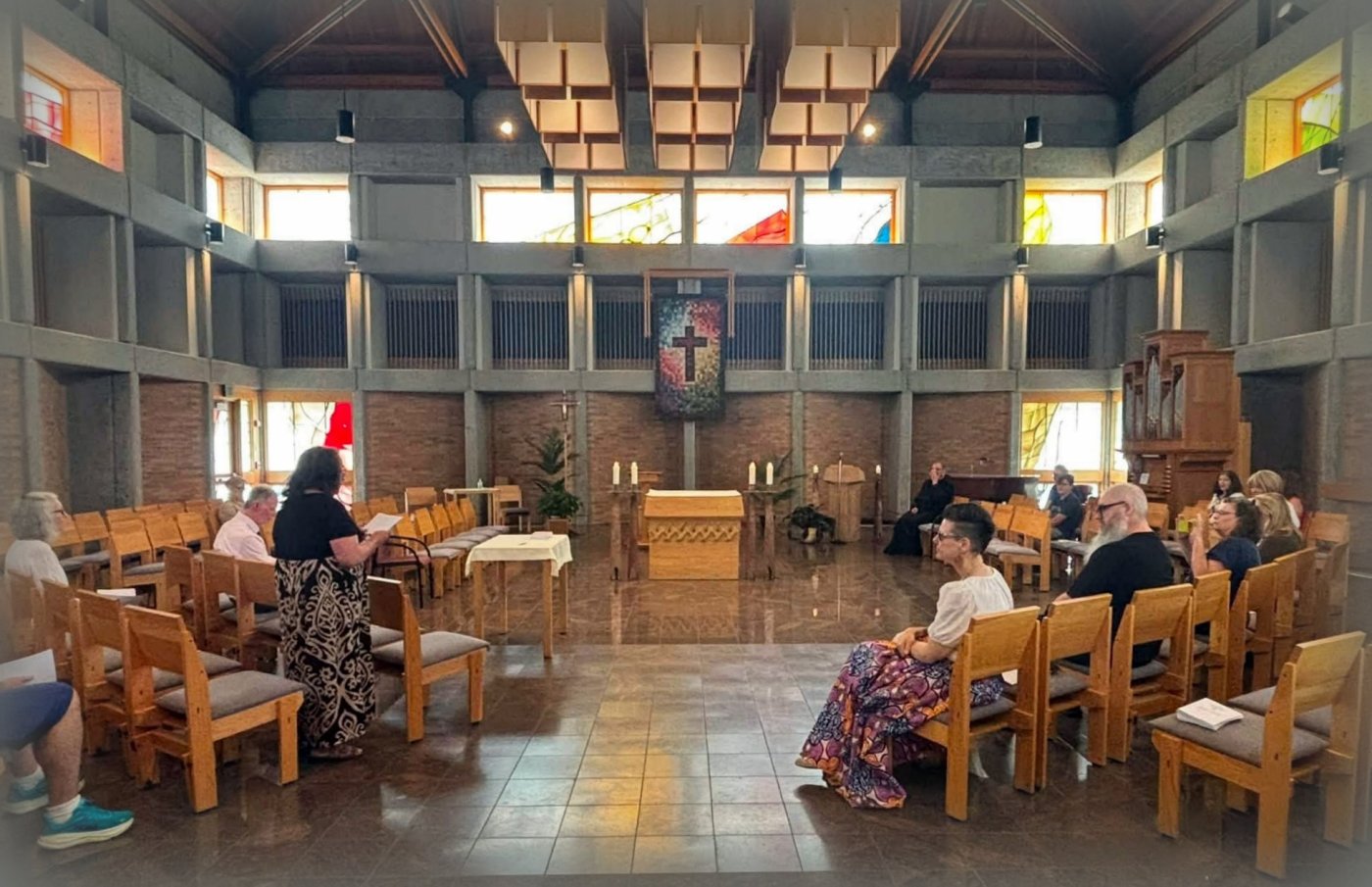
On the second Saturday of each month, the oblates of Christ the King Priory, the monastery I am an oblate of, gather to learn more about the Rule of St. Benedict. Our day includes morning prayer, monastery news, Lectio Divina, Mass, midday prayer, lunch, reading the Rule of St. Benedict, and small-group discussions of a selected book.

Prayer is the foundation of Benedictine spirituality. In August, we focused on Ways to Pray (Chapter 5) in the book Saint Benedict on the Freeway: A Rule of Life for the 21st Century by Corinne Ware. Benedict wrote in the Prologue of the Rule— “First of all, every time you begin a good work, you must pray to him most earnestly to bring it to perfection.” In the Apostle Paul’s letter to Thessalonica, he instructed the new church community to “Pray without ceasing.” (1 Thessalonians 5:17)

But what is prayer? And how is it possible to always be praying?

A friend recently asked me how I prayed, especially for others. So often we think that prayer means choosing the right words to speak to God, and that somehow, if we find those magic words, prayer might work “better”. We will get what we prayed for. Many believe that the purpose of prayer is to express what we desire—and that the right words might bring about the reality we hope for. But prayer is i much more than words or being attached to a specific, longed-for outcome.

The definition of prayer must be reimagined. There are many ways to pray, and it is possible to pray without ceasing. “Prayer is not so much our words to God as our life in God.” (Unknown author quoted by Caroline Myss) Reflecting on the chapter, I created a list of what prayer is:

Continue reading “Pray without Ceasing: A Way of Being”

Hysterics and Hail Marys: Holding the Hand of Fear

A month before my birthday, I wasn’t sure I was going to have another one. 

Lately, I have been contemplating aging and dying more than usual. Turning 60 feels different than turning any other age before it. I take seriously the advice from The Rule of St. Benedict to “Keep death daily before your eyes,” but most often I heed it by how I live my daily life. I try not to dwell on the actual dying part. But this year is different.  

Less than a week before he turned 60, a long-time friend suddenly passed away. He went to bed not feeling well and didn’t wake up. Colin and I would share birthday greetings every year, even if we hadn’t seen each other in a while. Now that will never happen again.

I have spent the few months since his passing considering how quickly life can change, how we are never promised another day. As grateful as I am for each new day, I can still be filled with fear at the idea of dying.

And that was my state of mind when, after breakfast on a Tuesday morning, my throat felt unusual, like I hadn’t swallowed something completely. I asked my husband, Joe, to look at it before I joined a Zoom meeting.

Looks okay,” he said, so I drank some water and filled my mug with coffee and prepared to begin. Less than ten minutes into the meeting, my eyes started to itch. I realized I was experiencing a health emergency when I looked in a mirror—in real time, I could see my eyes swelling and closing. (Remember The Incredible Hulk? That transformation is what came to mind as I watched my eyes and face change shape.)

On a hurried internet search, my symptoms indicated “anaphylaxis: a sudden, severe, and potentially life-threatening allergic reaction.”  I had never experienced anything like this, so I knew I needed emergency care, and fast. I told Joe something serious was happening, and we needed to go RIGHT NOW. Worry and anxiety are not new to me, but I experienced panic and fear as I never had.

“I am so scared,” I said.

On the way to urgent care, between hysterics and Hail Marys, I could only think of dying and not wanting to, and that we needed to hurry, knowing things can happen so quickly. After my husband dropped me off near the door, I cut the long line, crying for help. Within minutes, I was given my first injection of epinephrine and instructed to get to the emergency department.

“I am so scared.”

When we arrived at the ED, I was escorted past other waiting patients, hooked up to IVs, given a second EpiPen injection, and had blood tests. Several doctors, specialists, and nurses came in and out.

“I am so scared,” I told Joe, for perhaps the hundredth time.

Doctors recommended that I be admitted to the hospital to be monitored. If I had a rebound reaction and couldn’t swallow, I would be put on a ventilator.

“I am so scared,” I kept saying.

Joe told me I’d be okay, to think positively, to stay calm- perhaps excellent advice when I am in my right mind. But I was hysterical. I screamed, “Colin probably thought he was going to be okay too! Things happen; people die!”  Colin certainly didn’t think he would die the night his blood sugar was low. How could Joe tell me I’m going to be okay? Sometimes things aren’t okay. Sometimes people die.

Continue reading “Hysterics and Hail Marys: Holding the Hand of Fear”

International Women’s Day & A Prayer of Longing

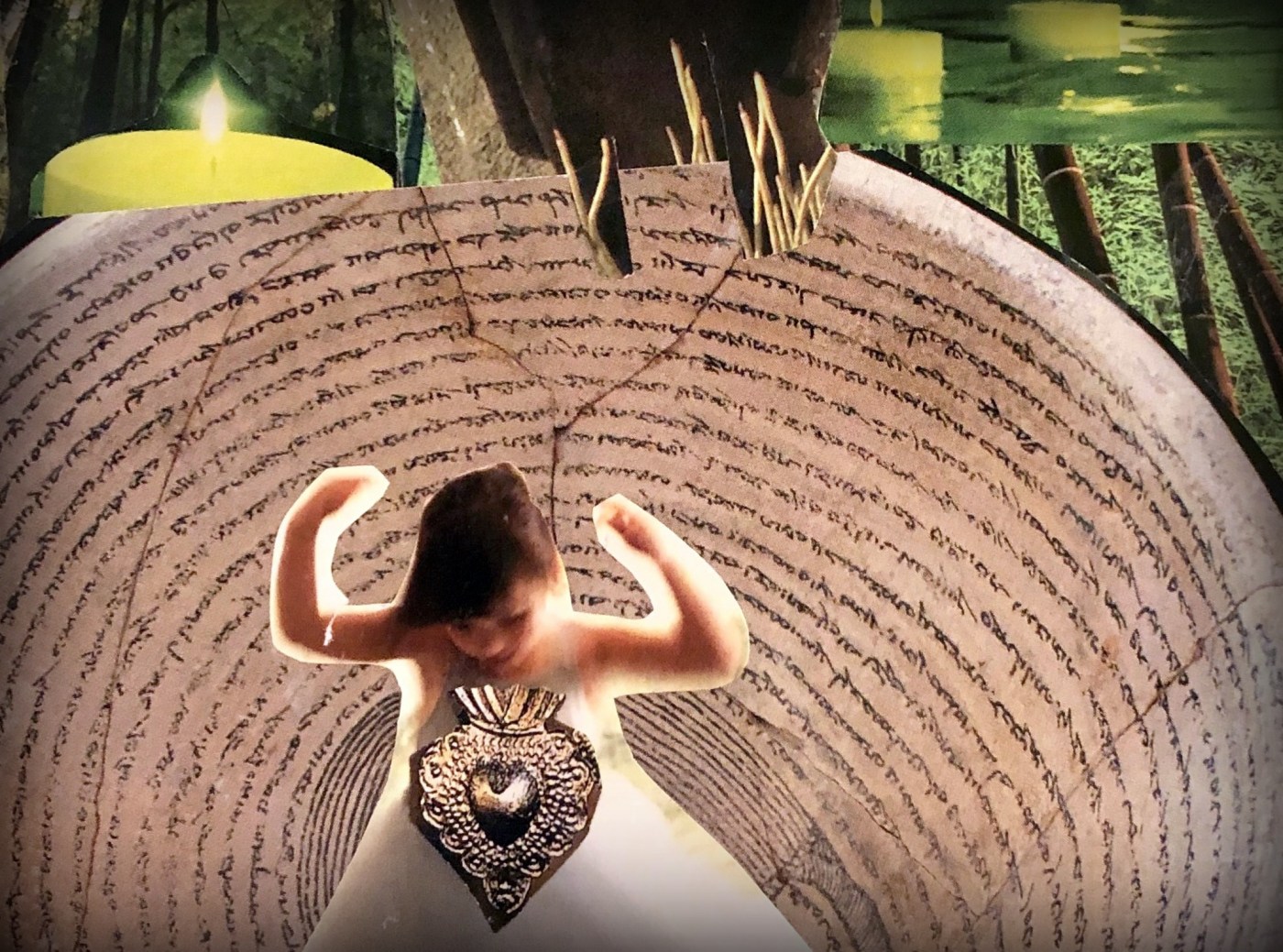
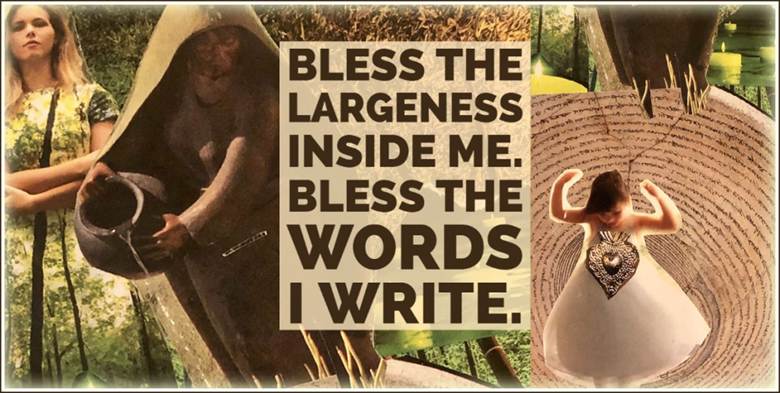
“Lord our God, hear my prayer, the prayer of my heart. Bless the largeness inside me, no matter how I fear it. Bless my reed pens and my inks. Bless the words I write. May they be beautiful in your sight. May they be visible to eyes not yet born. When I am dust, sing these words over my bones: she was a voice.” –Ana, The Book of Longings

In The Book of Longings by Sue Monk Kidd, Ana writes this prayer of longing on the incantation bowl her aunt Yaltha has gifted her. 

“Do you know what an incantation bowl is?” Yaltha asked. “In Alexandria we women pray with them. We write our most secret prayer inside them…Every day we sign the prayer. As we do, we turn the bowl in slow circles and the words wriggle to life and spin off toward heaven.”

On International Women’s Day, we celebrate the social, economic, cultural, and political achievements of women. We honor the women who have a “secret prayer inside them” to improve the quality of life for women, to raise awareness of discriminatory treatment, and to seek inclusiveness and equality for future generations.

In The Book of Longings, Sue Monk Kidd, one of my favorite writers, shared that she wanted “to write a story that encouraged us to follow our longings and bring forth the largeness inside ourselves…to portray how much women’s voices and stories matter.”

Ana’s prayer of longing is to have a voice, to be heard, and truly listened to. Ana lives during the time of Jesus when women’s stories were not valued or heard, often intentionally silenced and oppressed. Like Ana, we long for our authentic selves to be seen and heard. When we are listened to, we know that we are loved.

“All my life, longings lived inside me, rising up like nocturnes to wail and sing through the night. That my husband bent his heart to mine on our thin straw mat and listened was the kindness I most loved in him. What he heard was my life begging to be born.”-Ana, The Book of Longings

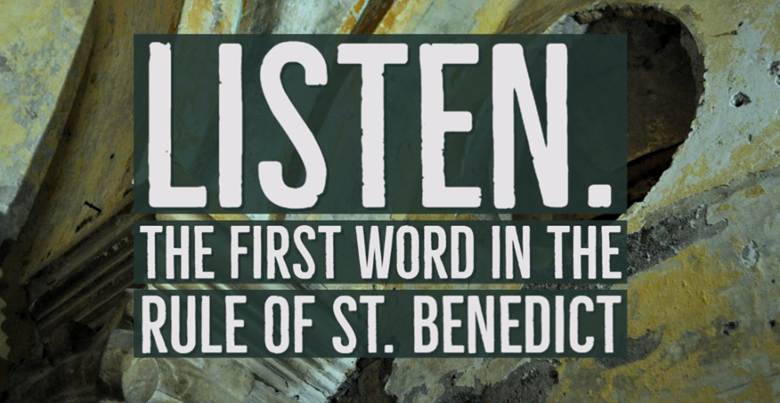
Listening is an important theme in The Book of Longings. St. Benedict thought it was so important to listen that it is the first word in the Rule. “Listen carefully, my son, to the master’s instructions, and attend to them with the ear of your heart.” John McQuiston II, in Always We Begin Again, The Benedictine Way of Living, paraphrases, “Listen with the heart and mind.” These instructions to listen to God extend to the many ways God may speak to us—through our daily circumstances, unique situations, the people in our lives, and in our hearts and minds through the voice of truth within us.

Continue reading “International Women’s Day & A Prayer of Longing”

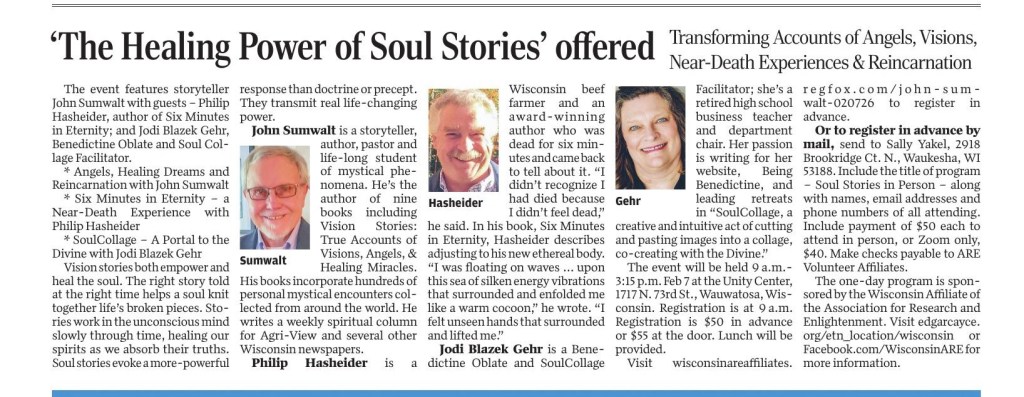
The Healing Power of Soul Stories

Vision stories, both empower and heal the soul. The right story told at the right time helps a soul knit together life‘s broken pieces. Stories work in the unconscious mind slowly through time, healing our spirits as we absorb their truths. Soul stories evoke a more powerful response than doctrine or precept. They transmit real life-changing power,” writes Rev. John Sumwalt, a retired United Methodist pastor whom I met on a Celtic Christianity pilgrimage to Ireland and Scotland.

John and I have stayed in touch since then, sharing our interests, writing, and travels. I am honored that he asked me to collaborate on a retreat day called “The Healing Power of Soul Stories” at the Unity Center in Wauwatosa, Wisconsin, on Saturday, February 7. The one-day program sponsored by the Wisconsin Affiliate of the Association for Research and Enlightenment includes presentations and sharing sessions led by John Sumwalt , Philip Hasheider, and myself (see article for bios.)

Article in Agri-View, a Madison, Wisconsin newspaper, written by John Sumwalt.

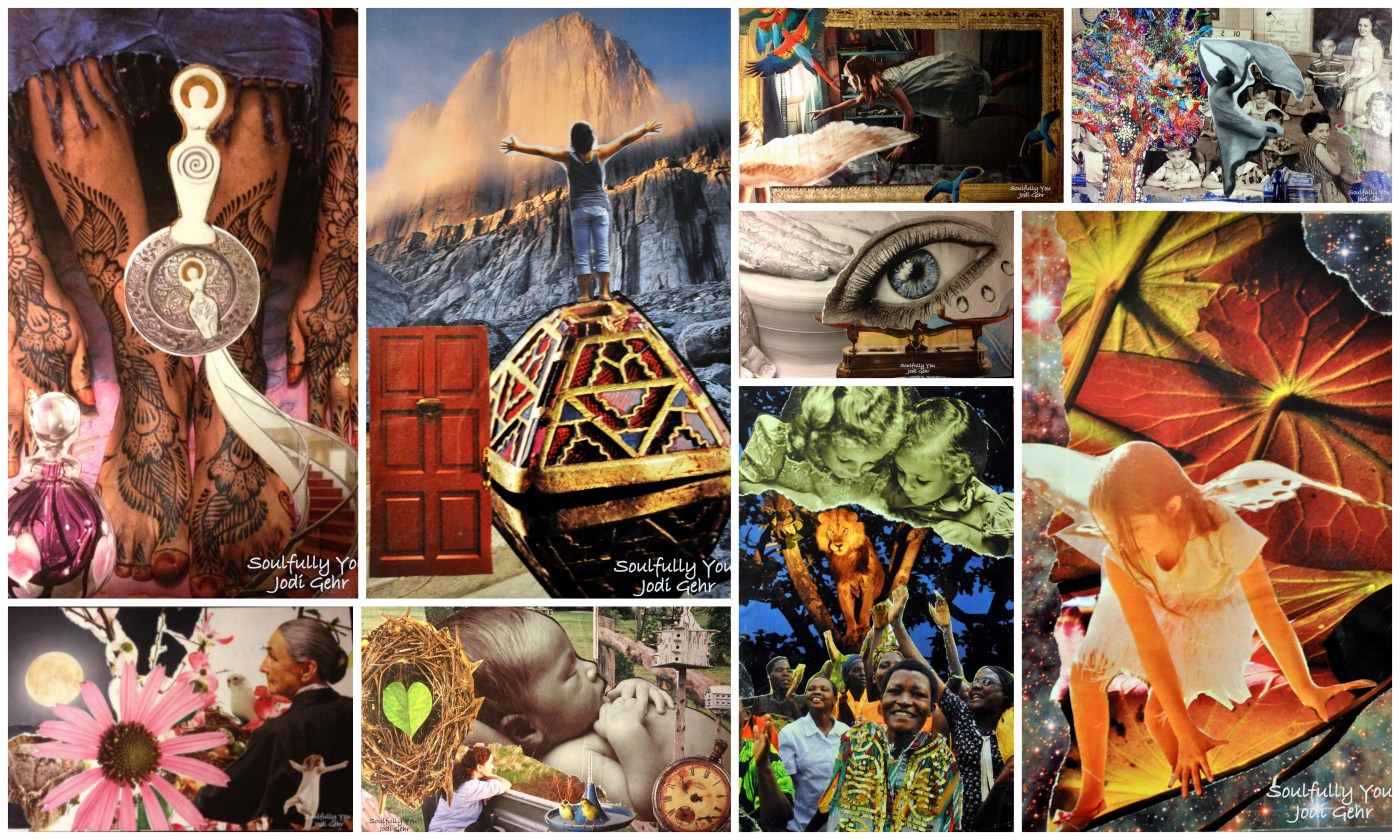
We come into this world as carriers of stories. We carry generational stories, universal stories, and our own personal stories–stories that tell us something about ourselves and our God. Our SoulCollage® cards tell our soul story, reflecting parts of our inner self and archetypes, or larger energies, that have chosen to work in us.  “Stories give us hope, a little guidance, and a lot of bravery,” writes Sue Monk Kidd. It is through our stories that we come to know the Divine. Frederick Buechner goes a step further–“to lose track of our stories is to be profoundly impoverished not only humanly but also spiritually.” SoulCollage® has been an essential prayer practice of listening to the stories of my life. I look forward to sharing!

For more information and a registration form, go HERE.

John Sumwalt writes for a number of publications including United Methodist Insight., Agri-View, and has several books.

© Jodi Blazek Gehr, Being Benedictine Blogger

When The Moon is Full

“When we ‘name’ we connect… Naming allows for relationship. When we name anyone or anything, there’s the possibility of coming closer.” –Fragments of Your Ancient Name, Joyce Rupp

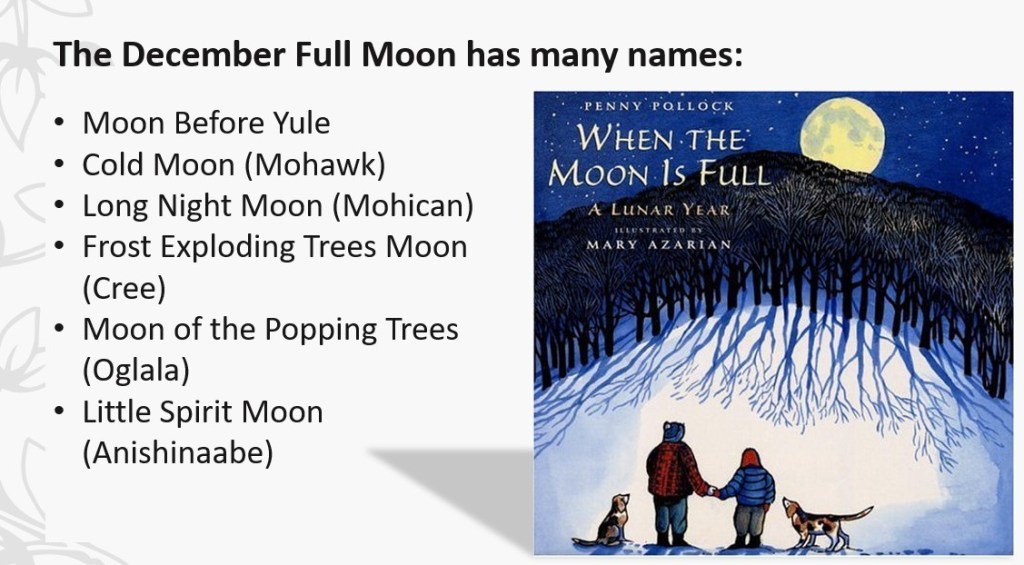
For millennia, people have looked to the moon to mark time, to guide their planting, harvesting, hunting, and gathering. Naming the full moon was both practical and sacred. The moon names were a way to notice, remember, and honor the patterns of the living world, drawing from the seasons and ordinary life events. It was also a way to remember that time itself is sacred, fleeting, passing with each full moon. For Native Americans, time was expressed by how many moons had passed.

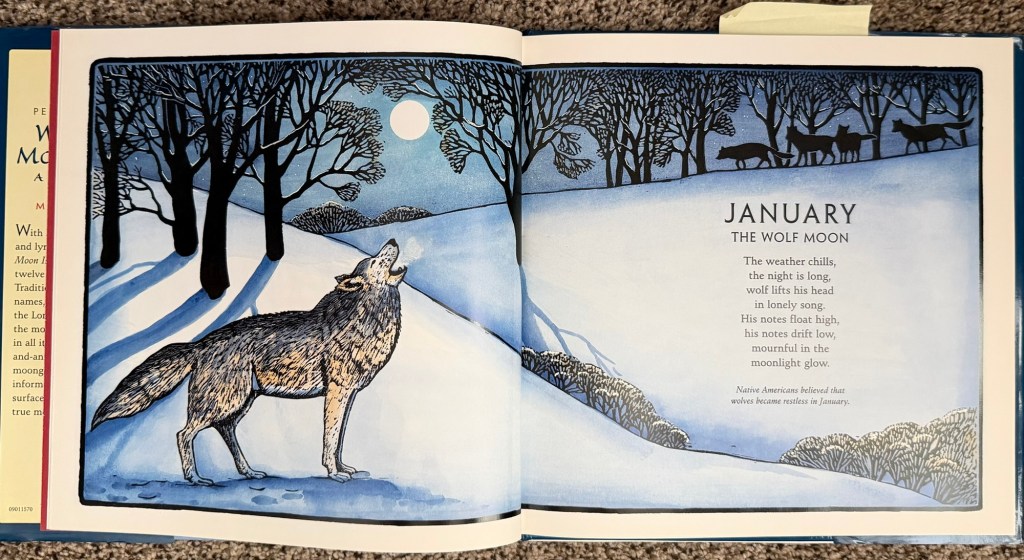
“Many Native American peoples, and later the colonists who lived beside these winter lands, noticed how the wolves’ voices grew strongest when the year was at its emptiest. Food was scarce, snow lay deep, and the nights stretched wide and unbroken. And so this moon—January’s full moon—came to be known as the Wolf Moon, a name born from the simple truth of those winter evenings: wolves calling out to one another through the dark.” –Friends of the Forest

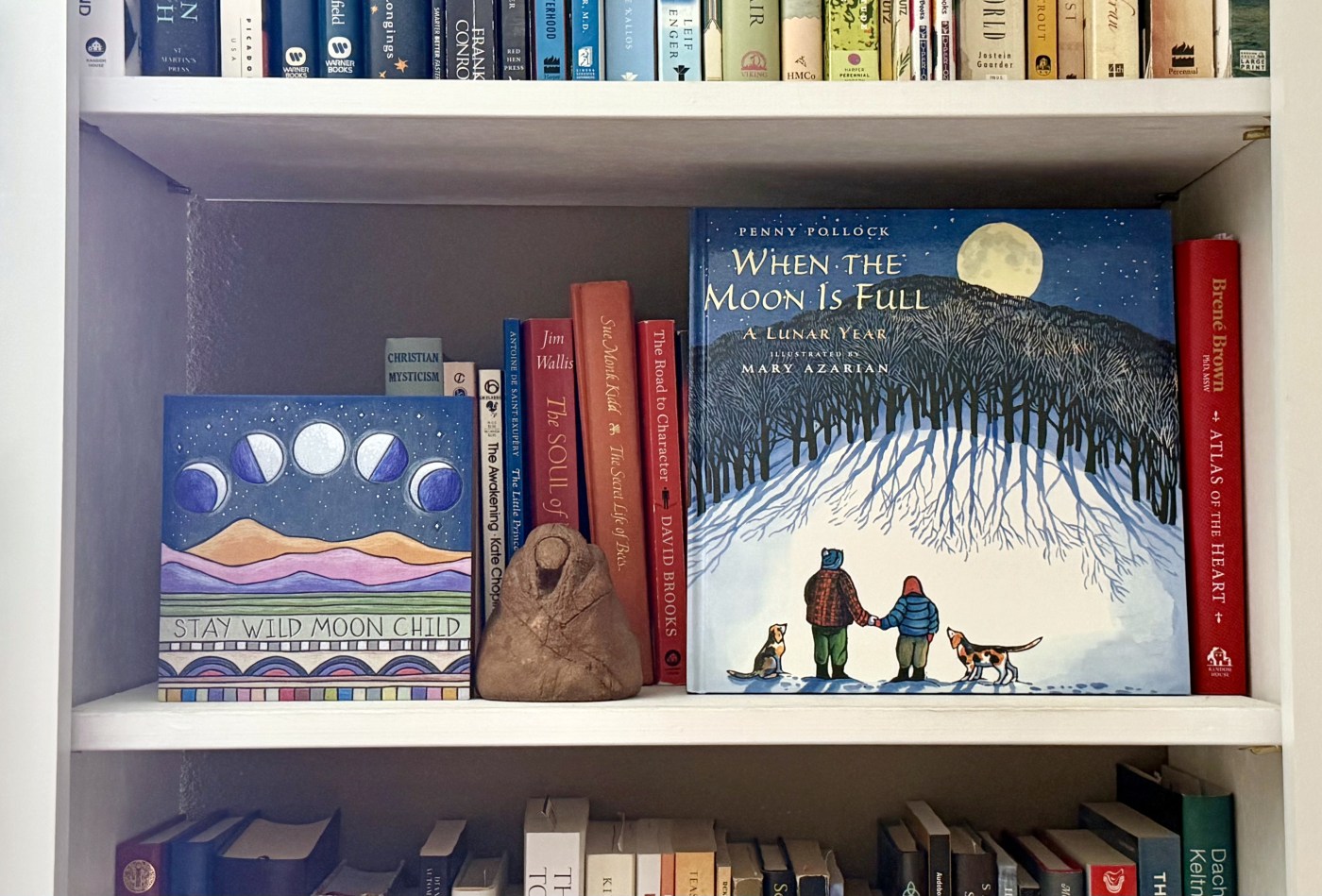
Recently, I led a Full Moon Soulfully You retreat with kindred spirits. We celebrated the diversity of names for the moon and read the endearing children’s book “When the Moon Is Full” by Penny Pollack.

Each month holds a rhythm of expansion and contraction—of growth, fullness, release, and renewal. Our spiritual journey and the seasons of our life align with the deep rhythms of the universe. Naming our longings and fears, the parts of ourselves that we might see as fragile or vulnerable, is holy work and prayer. Every aspect of our life has meaning, especially the challenging ones, the aspects of ourselves we hide out of fear that we’ll be misunderstood or judged. To live fully, wholly, holy, whole is to gather the fragments, the bones of who we are, and bless them. On retreat, we use the prayerful, creative SoulCollage practice to name these parts.

“Full moons come, full moons go, softening nights with their silver glow. They pass in silence, all untamed, but as they travel, they are named.” -When the Moon is Full, Penny Pollock

As you gaze at the full moon tonight (or any month), consider the following journaling or card-making prompts. Listen to the Full Moon chant, or like a wolf, howl at the moon!

  • What is your longing? What do you fear?
  • How can you hold your longings and fears together?
  • What part of yourself would you like to name?
  • Is there a name or archetype you want to embrace?
  • What name for the Divine resonates with you?
  • Are you in a season of darkness? Does it need to be named?

May the Full Moon remind you of your blessings, tonight and for many moons to come!

There are never enough names and images for what we love. -Dorothee Soelle

© Jodi Blazek Gehr, Being Benedictine Blogger

Our Lady of Guadalupe, Our Sacred Mother

Mary, the quintessential mother, emerges in many of my collage creations. On the Feast of Our Lady of Guadalupe, December 12, I am reminded how Mother Mary appears in many forms across religions and cultures. She brings visions and messages uniquely tailored to those who receive them, like Juan Diego.

On the site of an ancient shrine to the Aztec mother goddess, on Tepeyac Hill near Mexico City, a young Nahuatl Indian named Juan Diego had a vision of a young Indian woman. Speaking in his native tongue, she directed him to take roses to the bishop and tell him to build a church on the hill. The bishop dismissed the story, but the young maiden appeared to Diego once more, identifying herself as the Mother of God. She instructed him to gather roses that grew at her feet, during the winter no less, and take them to the bishop. When Diego opened his coat, roses tumbled out and a colorful impression of Our Lady, with dark skin, was imprinted on the fabric.

“My dearest son, I am the eternal Virgin Mary, Mother of the true God, Author of Life, Creator of all and Lord of the Heavens and of the Earth.”

Our Lady of Guadalupe to St. Juan Diego on Mount Tepayac, 1531

This story has been told for five hundred years, standing as an “image of divine compassion for a demoralized people. Speaking to Juan Diego in his own language, (Mary) presented herself in terms of compassion and solidarity, not power and domination.” (Blessed Among Us, December 12, 2020) The image of Our Lady attracts millions of pilgrims each year at the basilica in Mexico City, one of the world’s most visited sacred sites.

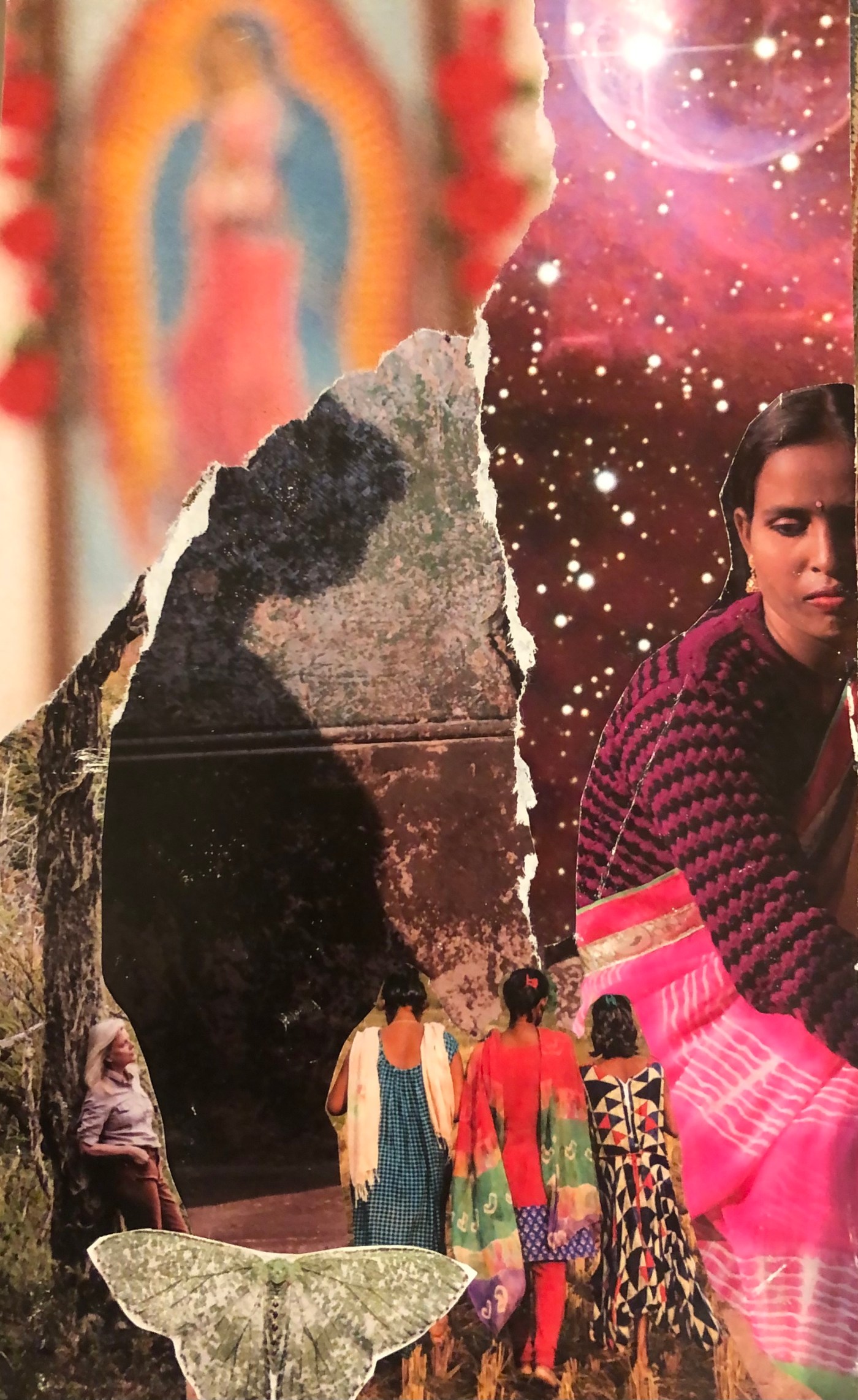
One of the Mary cards I created during a Full Moon retreat with anam caras, women friends on the spiritual journey, features Our Lady of Guadalupe and her role in the life of all women, particularly those who are marginalized and suffering. In the upper left corner is an image of Our Lady of Guadalupe, framed by roses that bloomed out of season.  Our Lady watches over us—Mother of the Universe, outside time and space. Whether you call her Tonantzin, “Sacred Mother” in Nahuatl, the language of Juan Diego, or Holy Mother, Mother Mary, the Mother of God, or the Virgin Mary, she offers a divine motherly love and protection available to all. Mary empowers women to give that same love and compassion to others.

Continue reading “Our Lady of Guadalupe, Our Sacred Mother”

Cancer-Colored Glasses: Through Jana’s Eyes

“What a gift Jana has created. Curlers, Church & Whales is funny, wise, and deeply human. The blend of humor, depth, and grounded science is just perfect. I especially loved the gentle reminders to slow down and drop in, and the way the story comes full circle at the end — it’s stunning. I am honored to know Jana and have been a witness of her journey. She has turned her own challenges into something so beautiful and life-giving. What a blessing for everyone who gets to read it.” — Kathleen Amyot, MD

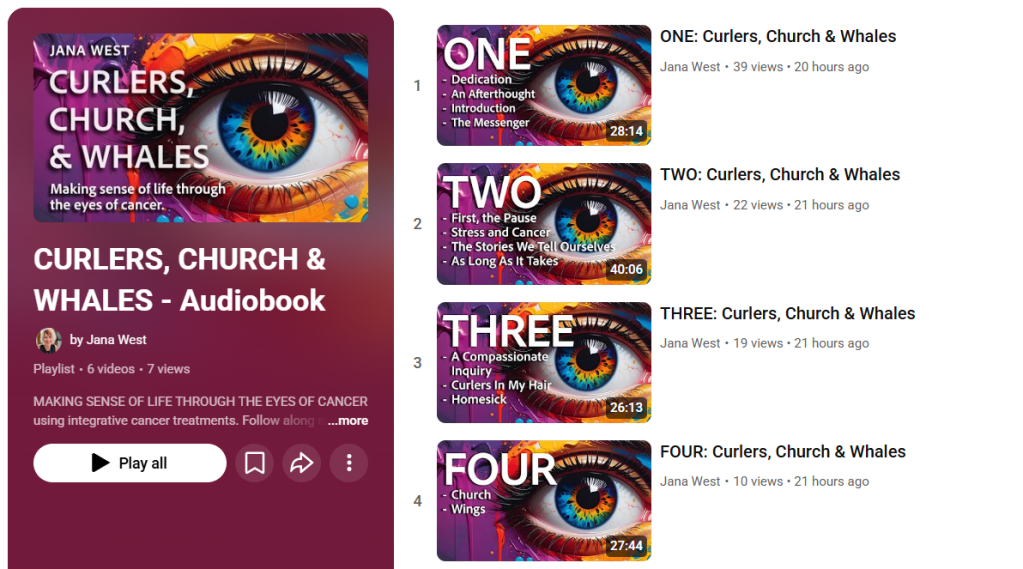
“Wow, wow, wow” was my reaction after Jana West sent me a preview copy of her memoir in early 2025, and now she is making it available as an audiobook, free on YouTube in six 30-minute segments.

I met Jana through a mutual SoulCollage® friend, and ever since, she has been a kindred spirit at many of the retreats I have guided. After receiving a breast cancer diagnosis, Jana found guidance and comfort from a SoulCollage® card she had created. To find healing, restore wellness, and prevent a recurrence of cancer, she began a search to learn about traditional and alternative forms of cancer treatment.

The search also turned inward. Jana writes about becoming attentive to and listening to her body, learning from her inner dialogue of shame-filled messages, navigating stressful situations, and making peace with past trauma, including religious and career choices that did not serve her well.  

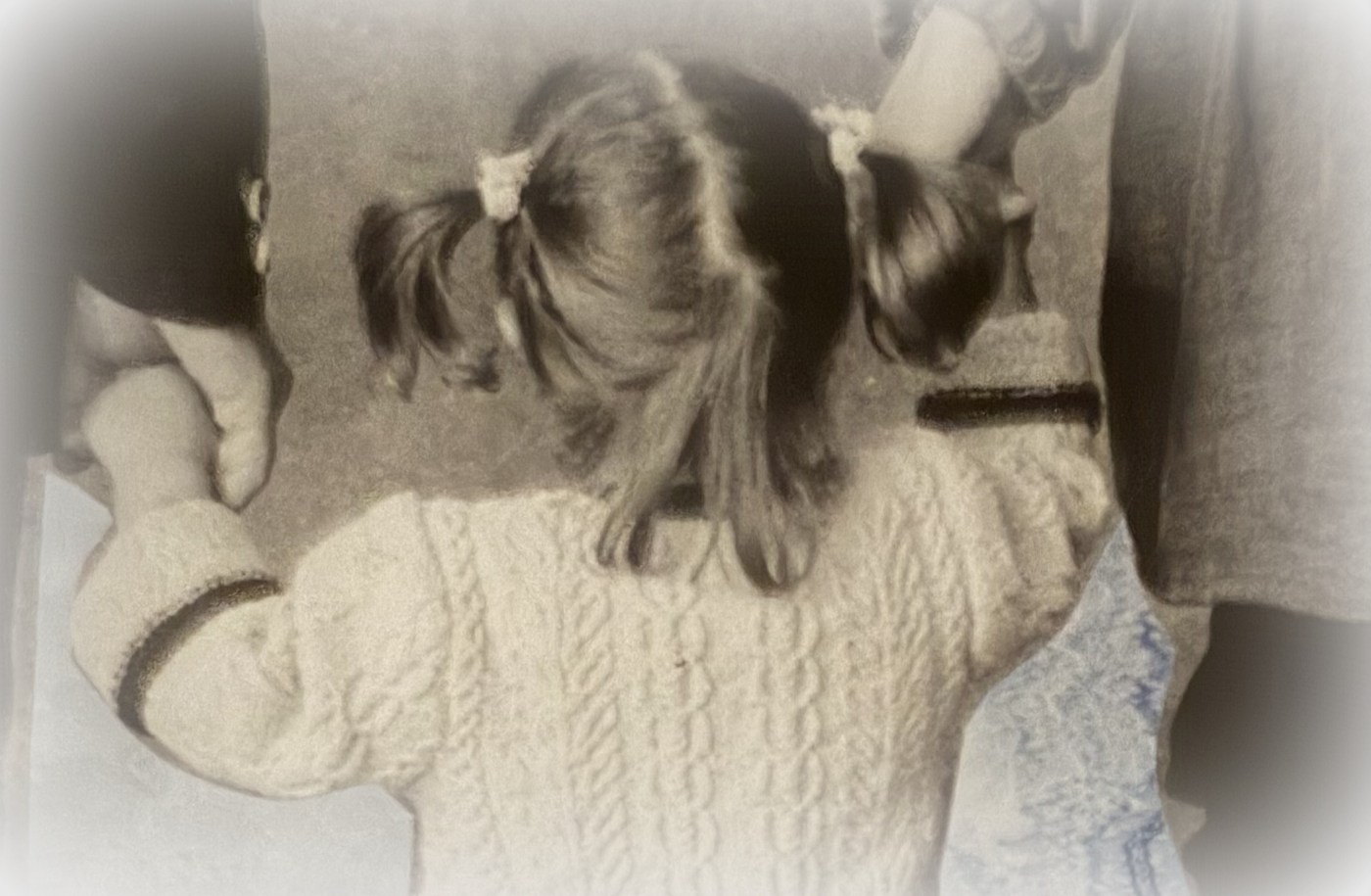
Jana remembers a handwritten note that her mother kept in her baby book, which gave her some clues to her childhood— “Jana, age 5, I am allergic to curlers in my hair, church, and whales.” As Jana considered what she had been allergic to (or found stressful), it helped her to practice self-compassion.

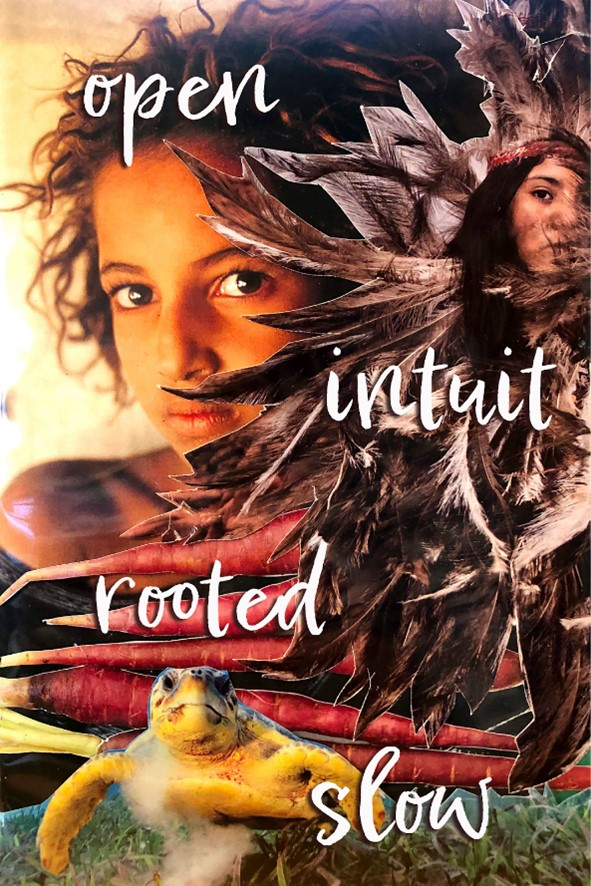
Jana shared, “A central theme (of the memoir) is the guidance I received from a SoulCollage® card…It’s been so incredibly powerful.” SoulCollage, a creative and intuitive act of cutting and pasting images into a collage, is more than a craft project; it is a form of self-reflection and prayer. Images can guide you to a new level of awareness and reveal a deeper understanding of thought and feeling.

Remain open like a child.
Your inner Sage knows.
Return to your roots for support in times of stress.
Slow down and go easy so you don’t miss the most important things.
OPEN, INTUIT, ROOTED, SLOW.

More at Homecoming: A Window to the Soul

Continue reading “Cancer-Colored Glasses: Through Jana’s Eyes”

Everyone Deserves To Be Heard

Everyone deserves to be heard.

I realized this most profoundly when I was the one who felt unheard. Perhaps you, too, have had a moment like this when you felt no one was listening—a meaningful, traumatic, challenging, or gratifying experience that needed to be shared fell on deaf ears.

I have written about the Benedictine promises of obedience and the importance of listening to God and others as part of one’s spiritual growth. “Listening requires us to pause, to have silence, and to be open to seeing in a new way. Listening can lead to a shift in perspective, a flash of insight, a new understanding. When you listen closely to another, it is an expression of love,” I shared in a recent reflection.

It is just as crucial to examine the impact it has on others when we are forgetful about listening—understandably, we get busy, or miss clues that others need our ear. Indeed, there are times when others may not realize how important it is (these slights may be easily forgiven), but there may be other times when you or another is summarily dismissed. The message is loud and clear—either you or what you have to say is not valued. It feels hurtful, as if you don’t matter, as if you are insignificant. Being intentionally rejected for your thoughts, ideas, feelings, and experiences leaves a wound, a hole in one’s heart, a sense of being rejected or abandoned.

For me, the experience of not being heard came during a traumatic time for women who had been sexually harassed, abused, or assaulted. I felt my trauma, but also the suffering of so many beyond me. It was a profound compassion, sharing the wound. It came to me then, weeping, that this is what it might feel like for those who have spent their entire lives not feeling listened to, of all those who have been unheard throughout our history, from the enslaved, defeated, oppressed, and marginalized—those who have no one to listen to or validate their pain. They had a story in their heart that needed to be heard, then and now.

Compassion asks us to go where it hurts, to enter places of pain, to share in brokenness, fear, confusion, and anguish. Compassion challenges us to cry out with those in misery, to mourn with those who are lonely, to weep with those in tears… Compassion means full immersion in the condition of being human.” –Donald McNeill, Douglas Morrison, and Henri Nouwen (quoted in Boundless Compassion by Joyce Rupp)

My heart felt broken—not just for me, but for the lack of compassion I may have shown others. Simultaneously wounded and regretful, a part of me died while something else was taking root—a desire to listen to those who feel unheard, to offer acceptance where there might not be, to advocate for those marginalized.  I felt pierced entirely with compassion. Tears flow often now for the suffering that, perhaps, I had not noticed before, the pain that I may have caused others, and the pain that continues to go unnoticed or even flatly denied.

I created a SoulCollage® card shortly after this eye-opening, traumatic experience. Consider the image and the following questions.

“The eyes of the Lord are toward the righteous and his ears toward their cry”. -Psalm 34:15

Questions for reflection:

Do you have a story you would like to share with someone? Have you been able to share it with another or write about it? If so, how did it make you feel to be heard? Does it inspire you to listen to the pain and suffering of the world?

Can there be some healing for your wound by expressing it to God if there is no one to share it with? Are you available for others to share their story with you? What is the consequence for a loved one if their story isn’t shared? Is there a person or marginalized group of people that you may listen to more closely than you have?

May our prayers be heard for all those suffering, and for those who have shared their stories but not been heard. May we listen with “the ear of our hearts,” as Benedict instructs. May we be moved to tears. Amen.


© Jodi Blazek Gehr, Being Benedictine Blogger


Tree of Life

“Everything in this world—every quark, atom, dust speck, heartbeat—quivers with the presence of God and is the presence of God…a kind of fourth dimension to all of life.”

-Thomas Keating: The Making of a Modern Christian Mystic by Cynthia Bourgeault

I find this divine quivering in the creative process of SoulCollage®, writing, planning retreats, deep listening with kindred spirits, reading good books and poetry, and in this season, beholding the beauty of springtime in the shimmering of every conceivable shade of green.

The presence of God quivers especially in the holy surprise of synchronicities, often referred to as a “thin place” by the Celts. Just minutes after creating a SoulCollage® card titled Tree of Life, I stumbled upon the most perfect poem.

Continue reading “Tree of Life”

Blog at WordPress.com.

Up ↑