Search

Being Benedictine

Living SoulFully as an Oblate of St. Benedict

Month

April 2026

The Right Book at the Right Time

Celebrating my love of books and synchronicity on World Book Day!

As both a bibliophile and a believer in synchronicity, I love it when the right book comes along at just the right time.

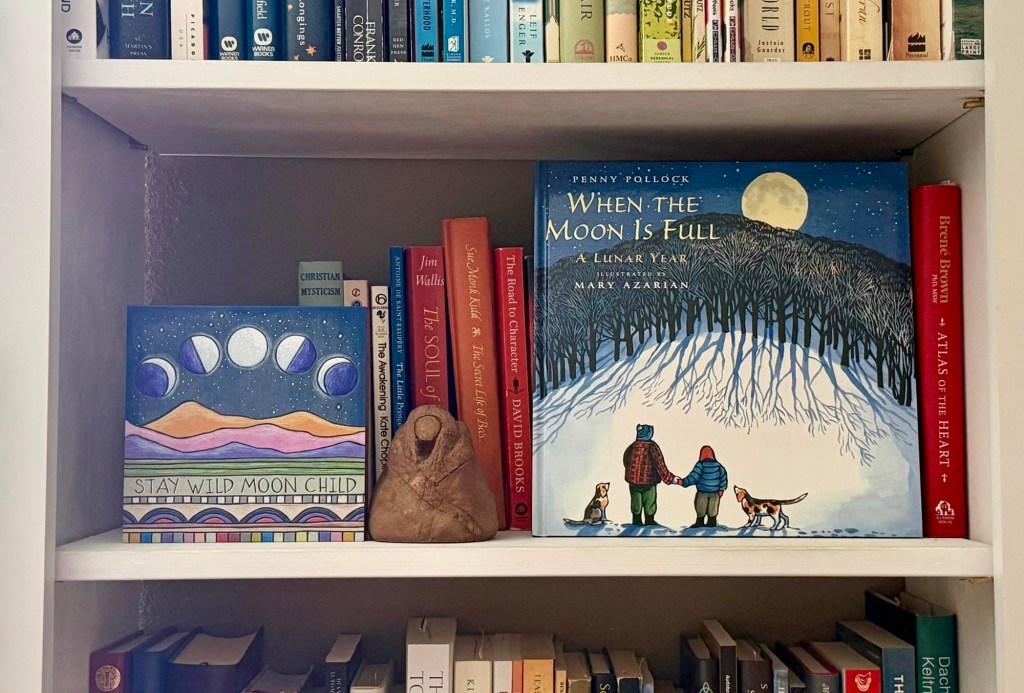
Whether at home or away, I always have a book, or ten, by my bedside and a couple of audiobooks in progress. I like to have choices.

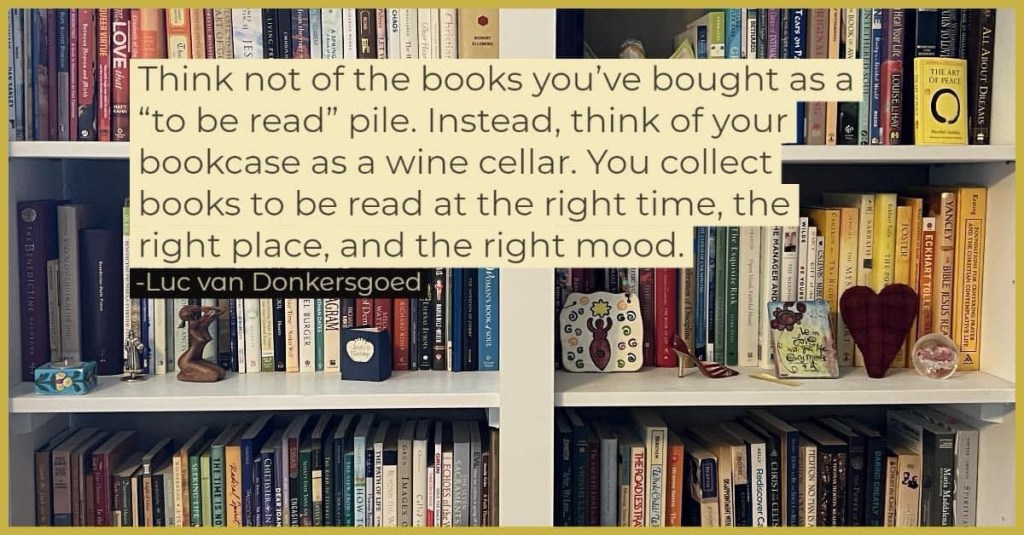
I have dozens of books on my shelves that I want to re-read (and do) (and will), especially for planning retreats that I lead, and I have dozens waiting for just the right time to open. I have a To Be Read shelf on Goodreads that I add to daily (467 at last count). There is no chance in my lifetime that I will get them all read, but no matter. I find this advice wonderful:

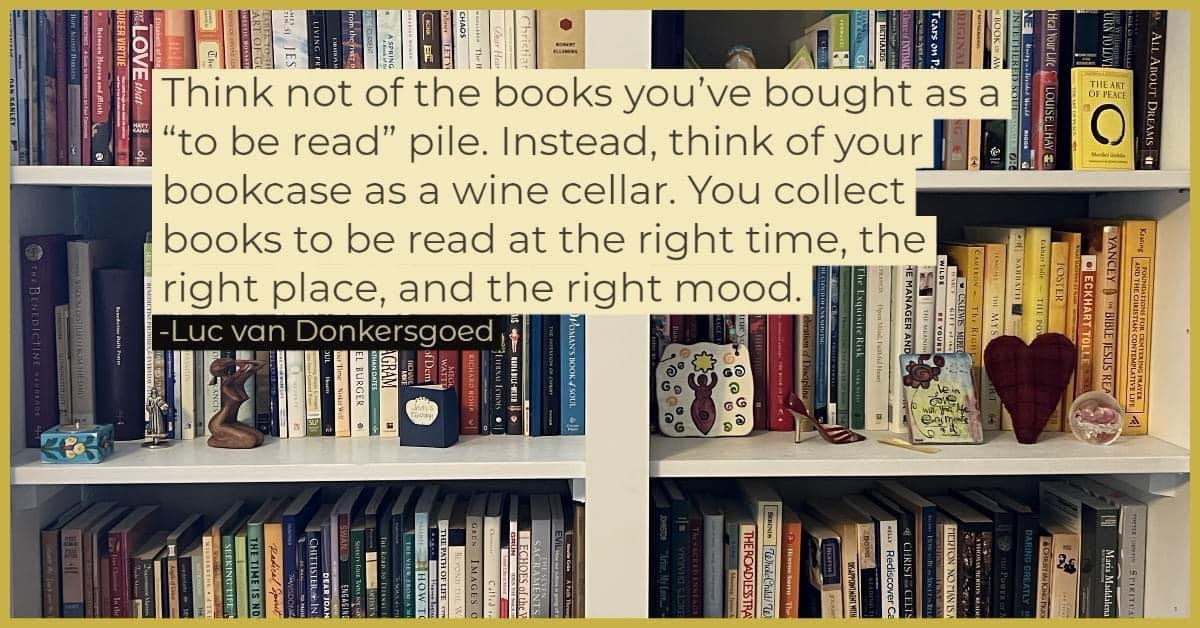
“Think not of the books you’ve bought as a ‘to be read’ pile. Instead, think of your bookcase as a wine cellar. You collect books to read at the right time, the right place, and the right mood.” -Luc van Donkersgoed

Reading a good book can inspire, motivate, and encourage. A good book can take you to another world in your imagination, create or satisfy your curiosity, help you learn new information, or impart life lessons. A good book can make you wonder, help you solve a problem, and make you laugh or cry. A good book can challenge you, make you angry, make you happy, or help you understand. A good book is satisfying.

I have heard “the buying of more books than one can read is nothing less than the soul reaching toward infinity.”

A. Edward Newton

I cannot get enough of books, and I am okay with that. For all of my days, I will reach towards the wonder of stories yet to be read, things to be learned, feelings to be felt. My soul reaches toward infinity…

Sharing a few reflections on books that have touched me (and so many more to come):

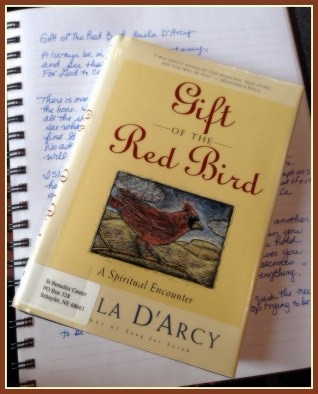
The Right Book at the Right Time: A Divine Encounter (The Red Bird by Paula D’Arcy)

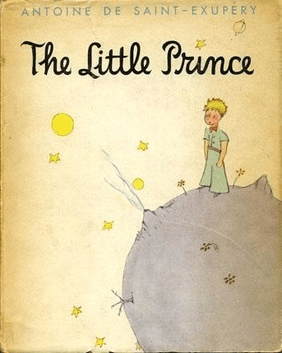
A Journey with The Little Prince (The Little Prince by Antoine de Saint-Exupéry)

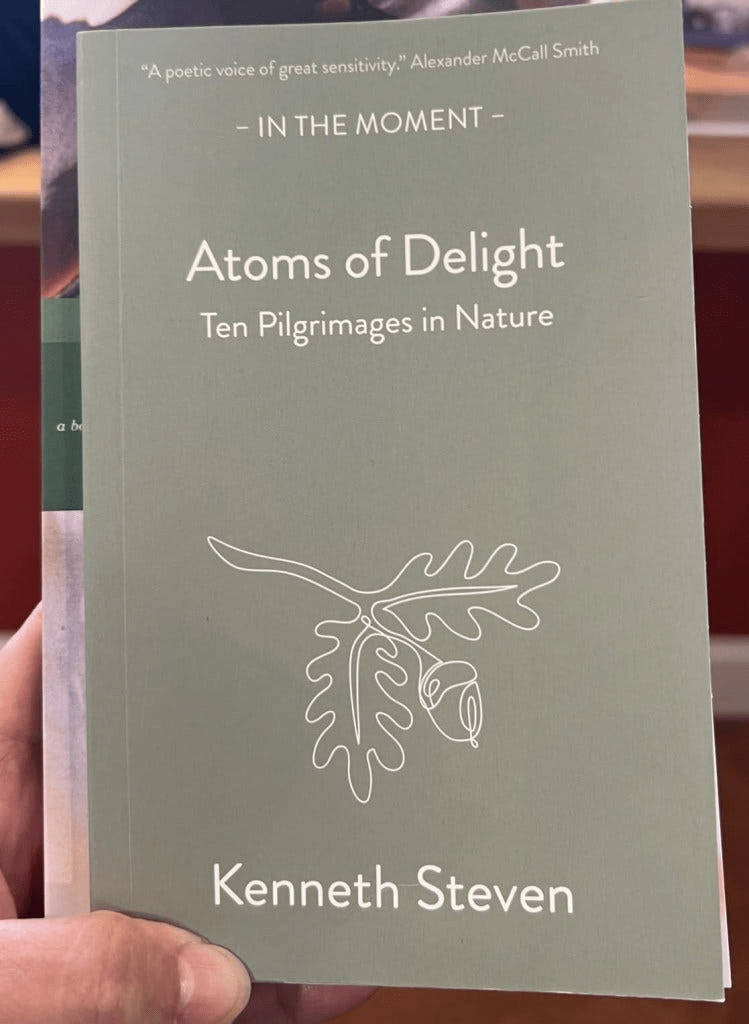
Atoms of Delight: A Pilgrimage to Iona (Atoms of Delight by Kenneth Steven)

The Book of Longings (The Book of Longings by Sue Monk Kidd)

Why I Teach (The Courage to Teach by Parker Palmer)

You Say I am Loved and That Is Enough (Made for Goodness by Desmond Tutu)

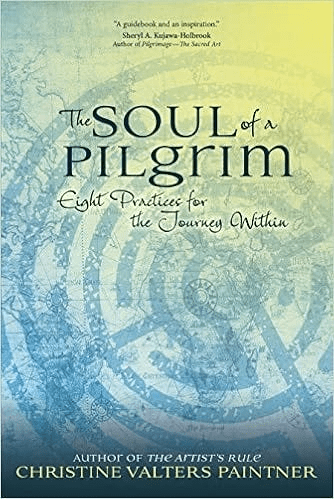
Home Is The Nicest Word There Is  (Soul of a Pilgrim by Christine Valters Paintner)

Naked Before God (Soul of a Pilgrim by Christine Valters Paintner)

The Soul of a Pilgrim: A Benedictine Pilgrimage, Part 1 (Soul of a Pilgrim by Christine Valters Paintner)

© Jodi Blazek Gehr, Being Benedictine Blogger

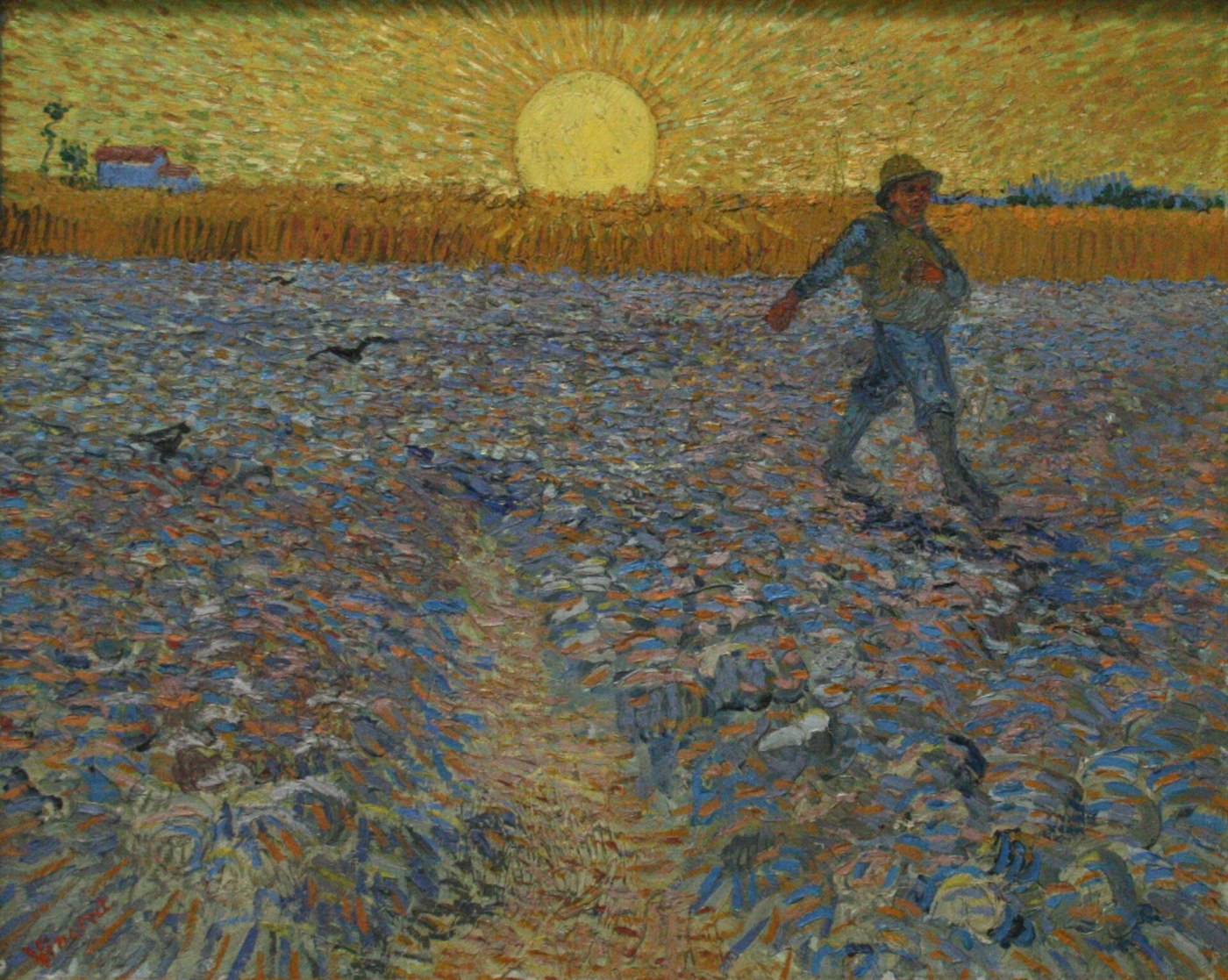
The Sower and The Seed

“It has been said that in recent decades we have been moving from the experience of authority to the authority of experience. More people are giving value to their own spiritual experience…(recognizing) the presence and unique whispers of God in our personal lives…” Tilden Edwards, Foreword, Saint Benedict on the Freeway

This is precisely what the practice of Lectio Divina, sacred reading, brings to one’s spiritual journey. We contemplate what we read, reflecting on the words or phrases that resonate, listening to the voice of God for insights and wisdom. It is a personal experience of what a text uniquely says to us. It can work for all great literature, poetry, scripture, and sacred writing.

As if through the lens of a kaleidoscope, with each turn one sees a slightly different message, a new perspective, another a-ha! Likely, you have heard The Parable of the Sower many times, but TODAY may bring something new to embrace. With return visits to a passage, we come to understand that we are always learning, drawing new insights based on where we are in our spiritual journey and season of life.

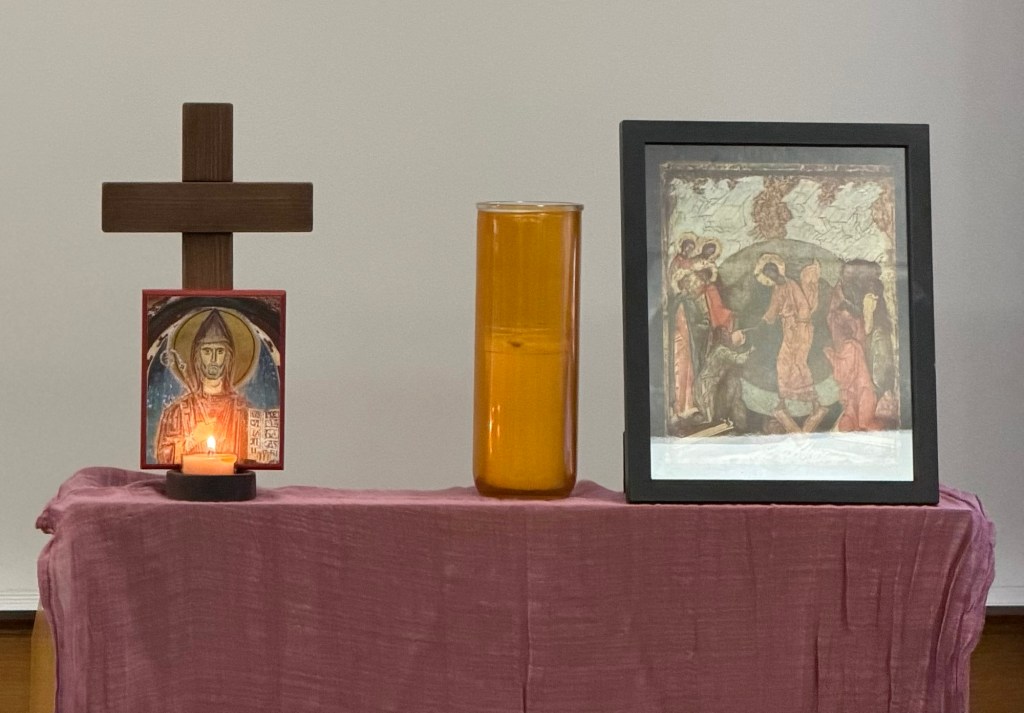
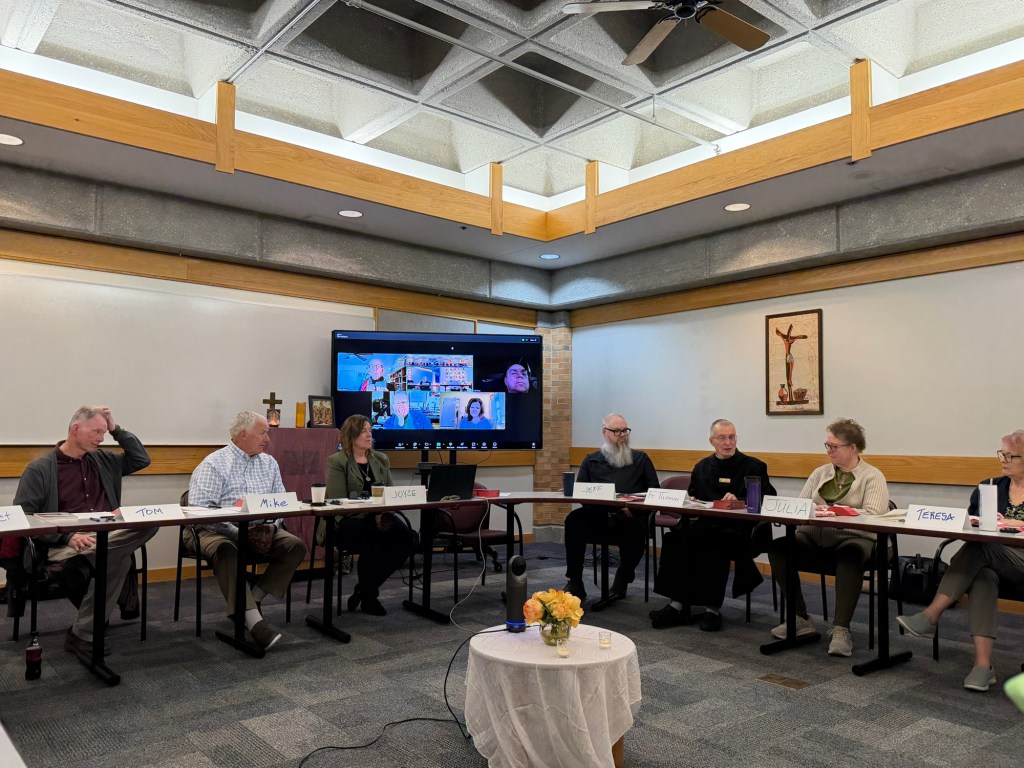
At the April 2026 Oblate meeting of Christ the King Priory, as is our monthly practice, we read and reflect on a scripture passage. The Parable of the Sower (Matthew 13:1-9) with readings from a new book selection, Saint Benedict on the Freeway, and The Rule of St. Benedict, Chapters 31-35, was the focus.

Matthew 13:1-9, The Parable of the SowerOn that day, Jesus went out of the house and sat down by the sea. Such large crowds gathered around him that he got onto a boat and sat down, and the whole crowd stood along the shore. And he spoke to them at length in parables, saying “A sower went out to sow. And as he sowed, some seed fell on the path, and birds came and ate it up. Some fell on rocky ground, where it had little soil. It sprang up at once because the soil was not deep, and when the sun rose it was scorched, and it withered for lack of roots. Some seed fell among thorns, and the thorns grew up and choked it. But some seed fell on rich soil, and produced fruit, a hundred or sixty or thirtyfold.  Whoever has ears ought to hear.”

So often we interpret this story as a particular person being like the rocky ground, the rich soil, and so on, but the author of Saint Benedict on the Freeway: A Rule of Life for the 21st Century, Corinne Ware asks: “If I were to think of myself as having within me all the varieties of soils, in other words, of manifesting each of these varied responses to God, how then would I see myself as the subject of this parable?” We can read this parable, a short story intended to teach spiritual truths, in many ways.

Continue reading “The Sower and The Seed”

A Journey with The Little Prince

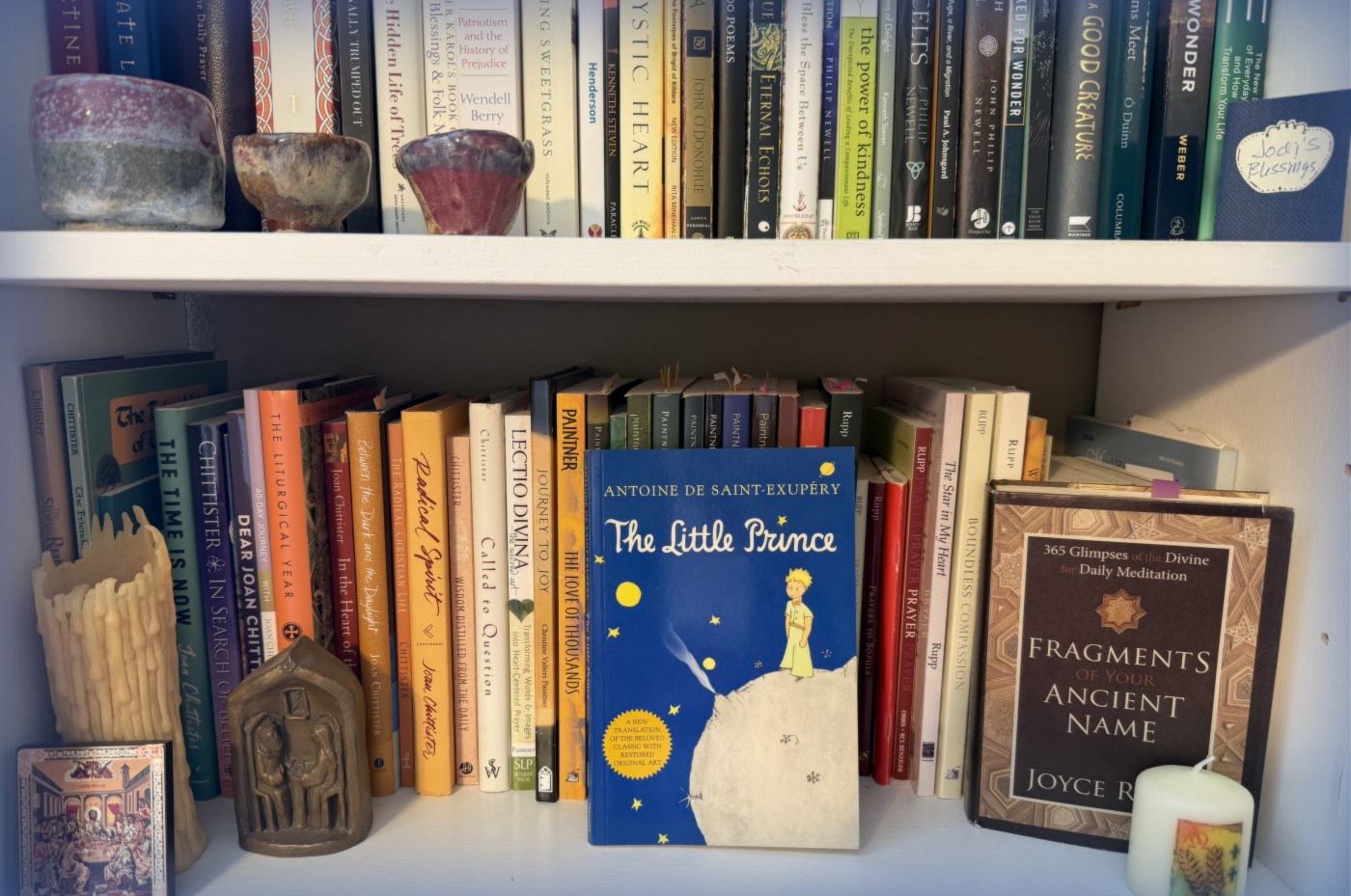
It has been several years since I spent time with “Le Petit Prince” and the young pilot, but when I read that it was the 80th anniversary of The Little Prince, a novella written and illustrated by French aviator Antoine de Saint-Exupéry, I immediately ran to my bookshelf, pulling the slim blue volume from my cherished re-reads shelf.

Each time I read it, I glean something new—a spiritual lesson, an insight about what is essential, a new way to think about time, friendship, life, and death. The Little Prince is a treasure to many. Over 300 million copies have been sold worldwide, making it one of the best-selling and most widely read books in history.  It has been translated into 600 different languages and dialects worldwide, second only to the Bible. There is something very special, mystical even, about this story that transcends age, culture, religion, or language.

It took less than an hour (in real life) to take the transcendent journey with the six-year-old pilot who had “flown almost everywhere in the world,” and the Little Prince who traveled from his home asteroid B-612, “where everything is very small.” They meet in the Sahara Desert, “in the face of an overpowering mystery,” where the pilot has crash-landed, and the prince has been on a voyage to other planets.

As the pilot and the prince share the journeys that brought them together, I am in awe of the impact that great literature and storytelling can have on a reader, offering so many spiritual lessons. As if through the lens of a kaleidoscope, with each turning, one sees a little different story, a new perspective. Rotate it towards the light, and yet another image is revealed. This is the mystery of sacred reading, or Lectio Divina. For me, this turn of the kaleidoscope captured the importance of living life more soulfully with childlike wonder and joy, a reminder that my worth cannot be counted.

How Grown-Ups See The World

In The Little Prince, we see, for instance, that the way grown-ups see the world is less than ideal. Consumed with facts, tasks to be completed, and accumulating possessions, grown-ups with heightened self-importance are more concerned with financial value, usefulness, meeting expectations, and making sure their expectations are met.

Continue reading “A Journey with The Little Prince”

Blog at WordPress.com.

Up ↑