Search

Being Benedictine

Living SoulFully as an Oblate of St. Benedict

Category

Pope Francis

Celebrate Trees: An Arbor Day Message

For the last 153 years, Arbor Day has been celebrated on the last Friday of April. The founder of Arbor Day, J. Sterling Morton, understood the importance of trees to agriculture, for windbreaks to keep soil in place, for fuel and building materials, and for shade from the hot sun. He believed in getting everyone, particularly students, involved in planting trees. An estimated one million trees were planted in Nebraska on April 10, 1872, encouraged by contests between counties and schools.

Trees nourish each other beyond what our eyes can see or our minds can understand. Deep within, at a root level, they are connected. The same is true for humans; we are deeply connected and nourished by each other. By gathering in community, we support each other. We keep each other standing tall and strong.

Inspired by the symbolism of trees, I created a SoulCollage card I named “Tree of Life.”

I am one and the many, tree and part of the forest.
Rooted deeply, standing tall, leaning towards the light.
Roots mingling with, connected to, nourished by others.
Growth is in my nature, and nature is in me.
I am the tree of life.

© Jodi Blazek Gehr

Read more about the synchronicity of creating this card and finding the perfect poem in Tree of Life.

“Benediction of the Trees”, a song written and performed by Derek Dibbern, is a prayerful song. It is recognition that Nature blesses us with trees for our healing, enjoyment, leisure, and protection–our very breath depends on the existence of trees. See images of trees through the seasons and a video of the song at Benediction of the Trees.

What is being asked of us is nothing other than a certain responsibility for the legacy we will leave behind, once we pass from this world.” –Pope Francis, Laudate Deum, 18

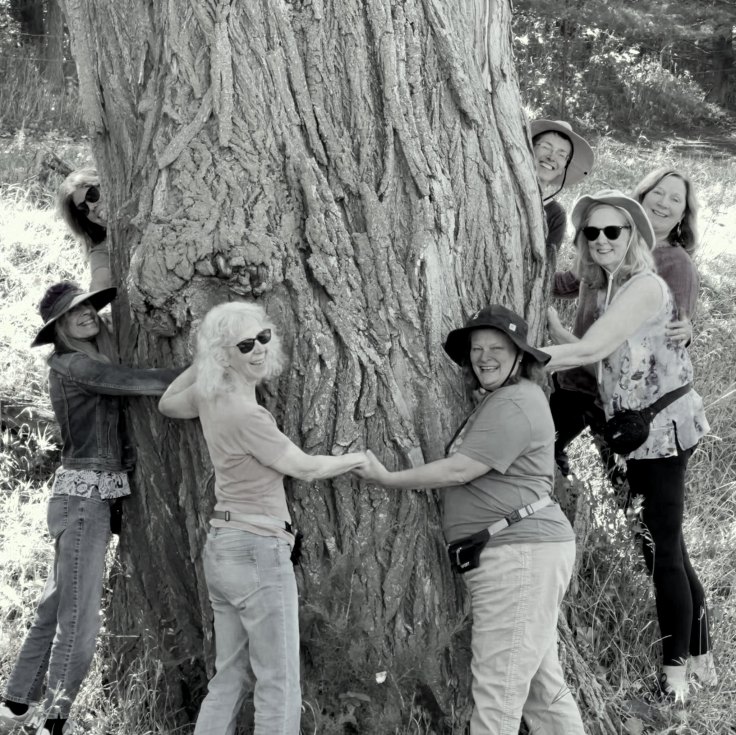
The existence of trees has been threatened in the name of progress, to pad the pockets of the greedy, or, sadly, out of sheer ignorance. The original tree huggers, known as the Chipko movement, continues to influence environmentalist efforts, forcing reforms and moratoriums in the forestry industry that saved thousands of trees. Read more about a tree-hugging moment for a group of friends as we celebrate reading Braiding Sweetgrass by Robin Wall Kimmerer at Tree Huggers: The Circle of Care.
The Arbor Day Foundation works to “help others understand and use trees as a solution to many of the global issues we face today, including air quality, water quality, a changing climate, deforestation, poverty, and hunger” through conservation and education programs. Read more about Arbor Day at Planting Trees is a Big Deal: 150 Years of Arbor Day!

© Jodi Blazek Gehr, Being Benedictine Blogger

All Saints of the Order of Saint Benedict, Feast Day: November 13

Happy Feast of All Saints of the Order of St. Benedict!

The number of Benedictine saints, including Sts. Benedict, Scholastica, Hildegard, and Henry, is large: “At the beginning of the fourteenth century the order is estimated to have comprised the enormous number of 37,000 monasteries giving the Church no less than 24 popes, 200 cardinals, 7,000 archbishops, 15,000 bishops, and over 1,500 canonized saints.” (Catholic Encyclopedia) Seven more centuries have only added to this sanctified group. You can find them listed here, from Abbo to Zosimus, all gathered under one faith and one Rule.

Benedict Gaughan (Being Part of the Benedictine Family, The Oblate Life) gathered feedback from their Oblate family about what it means to be a part of their community. Christine Michael shared, “Being part of the Benedictine family means that I can benefit from the tried and tested wisdom of Benedictines over the countless generations. The Benedictine ethos transcends all boundaries of tradition; a Benedictine is a Benedictine whether Anglican or Catholic, and from whatever part of the world.”

This sentiment resonates with words from our new Abbot Primate of the Benedictine Confederation, Jeremias Schröder OSB, of St. Ottilien Archabbey, who wrote, “Uniformity is not the goal of the Benedictine way. In a world that often seeks to simplify and streamline differences, the Benedictine tradition reminds us that true community is not about making everyone the same, but rather about embracing each person’s unique journey in faith.” He continues,

Benedictine life celebrates the beauty of individuality within the context of unity in Christ. Just as St. Benedict envisioned, our calling is to live together in love and respect, cherishing the distinct gifts God has given each of us. May we all strive to build communities rooted not in conformity, but in a shared commitment to love, faith, and mutual support.”

This is what I love about Being Benedictine. I don’t have to fit my faith in a box, I am part of the Benedictine circle where all are invited to learn, grow, and love.

We are all called to be saints, to grow in holiness, and to become closer to God by loving our neighbor.and self. Pope Francis in his 2013 Angelus wrote, “The Saints are not supermen, nor were they born perfect. They are like us, like each one of us. They are people who, before reaching the glory of heaven, lived normal lives with joys and sorrows, struggles and hopes. What changed their lives? When they recognized God’s love, they followed it with all their heart without reserve or hypocrisy. They spent their lives serving others, they endured suffering and adversity without hatred and responded to evil with good, spreading joy and peace. This is the life of a Saint.”

A tree gives glory to God by being a tree.

-Thomas Merton

Being SoulFully You is discovering and becoming all that God has created you to be. Thomas Merton writes, “For me to be a saint means to be myself.” The call to be holy is the call to be more fully myself, just as a tree gives glory to God by being a tree. It is sacred work to ponder what the saints have offered as role models on our journey to becoming more holy.

Photo: The doorway to St. Hildegard of Bingen Abbey church in Rudesheim, Germany. More here.

© Jodi Blazek Gehr, Being Benedictine Blogger

Prayers of Peace for Ukraine

Let us pray.

Pray in whatever ways and words work for you–whether you are holding space, sending positive energy, visualizing hope and peace overflowing, creating a collage, writing your own thoughts, or reciting the words of the prayer Pope Francis has intended for the consecration of Russia and Ukraine to the Immaculate Heart of Mary (shown below.)

JUST PRAY.

There are no requirements to understand every word of the prayer, to be Catholic, or to believe in Mary’s Immaculate Heart, in order to grow in compassion and unite our intentions with others who pray, hold space, and send good energy. As I read (and prayed) Pope Francis’ prayer, I created bullet-prayers (not sure if that’s a thing, but it is for me now)–one-sentence intentions that I can offer up when I think of those suffering in Ukraine.

Turn our hearts towards love and peace. 🌻 May we hold space for those suffering.

Make visible our compassion. 🌻 May we remember what causes pain for others.

May we hold in our hearts the children, the hungry, the homeless, the fleeing, the mother, the father, the child, the beloved pet, the defenders, the truth-tellers, the fighters, the comforters. 🌻

May we ravage the earth with love. 🌻 Help me to think of others.

May we be, and follow, models of love and peace. 🌻 Help us remember that darkness can be overcome.

Untie the knots of our hearts. 🌻 Help us to forgive.

Water the dryness of our hearts. 🌻 Fill our hearts with peace. 🌻 Help us to pray.

Here is the full text of the prayer obtained by Catholic News Agency:

O Mary, Mother of God and our Mother, in this time of trial we turn to you. As our Mother, you love us and know us: no concern of our hearts is hidden from you. Mother of mercy, how often we have experienced your watchful care and your peaceful presence! You never cease to guide us to Jesus, the Prince of Peace.

Continue reading “Prayers of Peace for Ukraine”

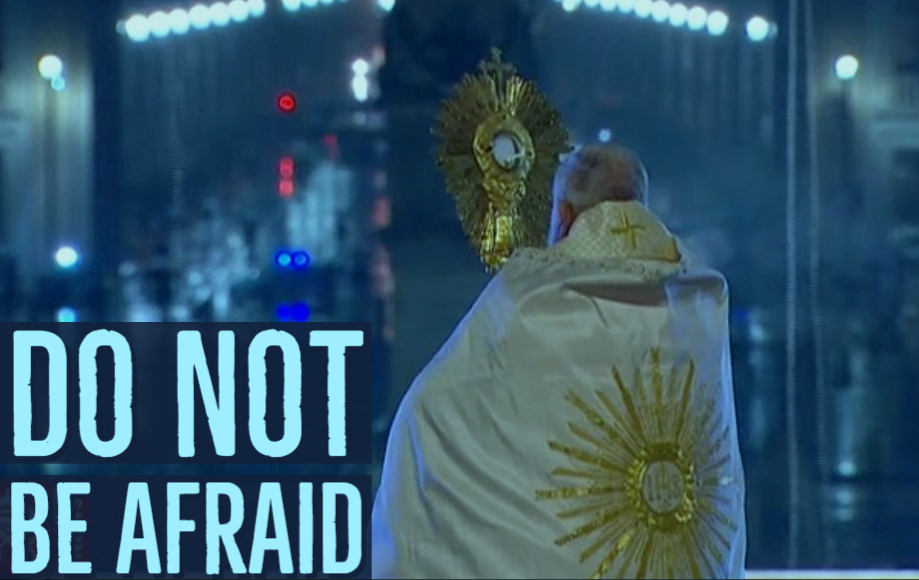
Urbi et Orbi: A Blessing for the World

Listen with the ear of your heart to Pope Francis’ message to the world. Practice Lectio Divina, contemplating the words and/or images that speak to your soul. Full text and video available at the end of this post.

What are you called to learn during this “unexpected, turbulent storm?” Share your insights in the comment section.

world blessing pope

“Like the disciples in the Gospel (Mark 4: 35-41) we were caught off guard by an unexpected, turbulent storm. We have realized that we are on the same boat, all of us fragile and disoriented, but at the same time important and needed, all of us called to row together, each of us in need of comforting the other.

world blessing pope 2. jpgOn this boat… are all of us. Just like those disciples, who spoke anxiously with one voice, saying “We are perishing” (v. 38), so we too have realized that we cannot go on thinking of ourselves, but only together can we do this.”
world blessing pope4

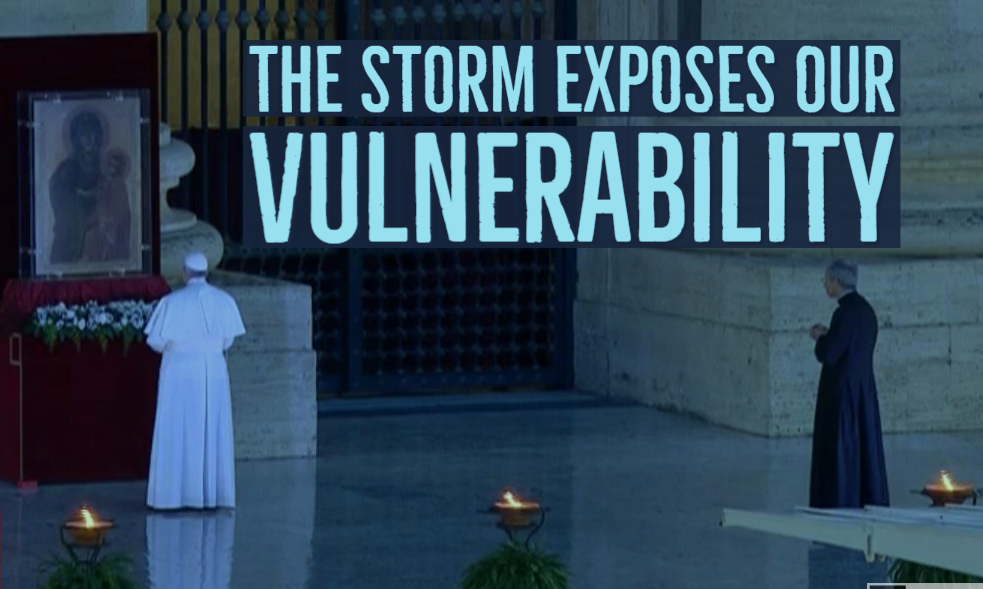
The storm exposes our vulnerability and uncovers those false and superfluous certainties around which we have constructed our daily schedules, our projects, our habits and priorities. It shows us how we have allowed to become dull and feeble the very things that nourish, sustain and strengthen our lives and our communities.

world blessing pope3

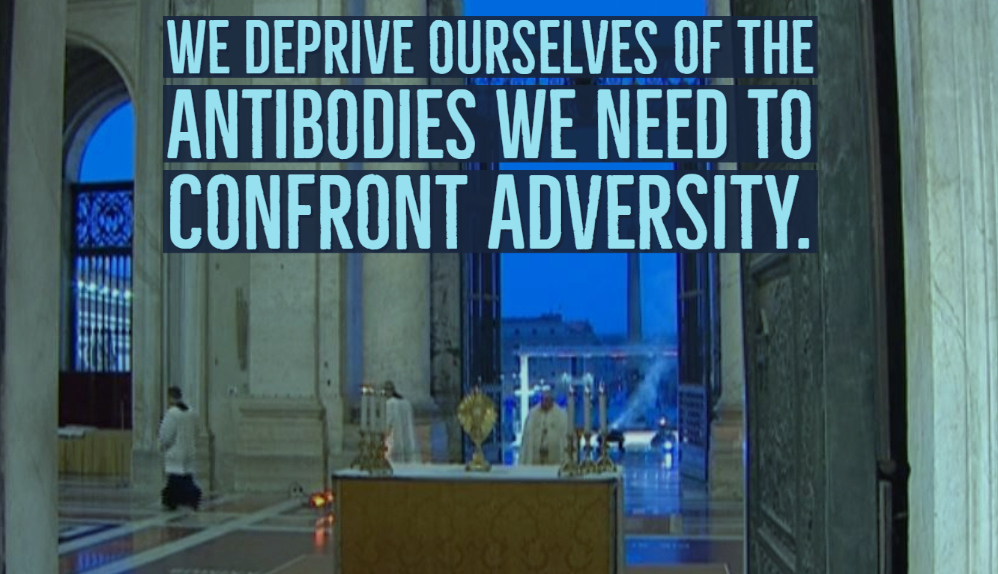
The tempest lays bare all our prepackaged ideas and forgetfulness of what nourishes our people’s souls; all those attempts that anesthetize us with ways of thinking and acting that supposedly “save” us, but instead prove incapable of putting us in touch with our roots and keeping alive the memory of those who have gone before us. We deprive ourselves of the antibodies we need to confront adversity. Continue reading “Urbi et Orbi: A Blessing for the World”

Earth Gratitude

earth day creation1 good border

Card name: Earth Gratitude

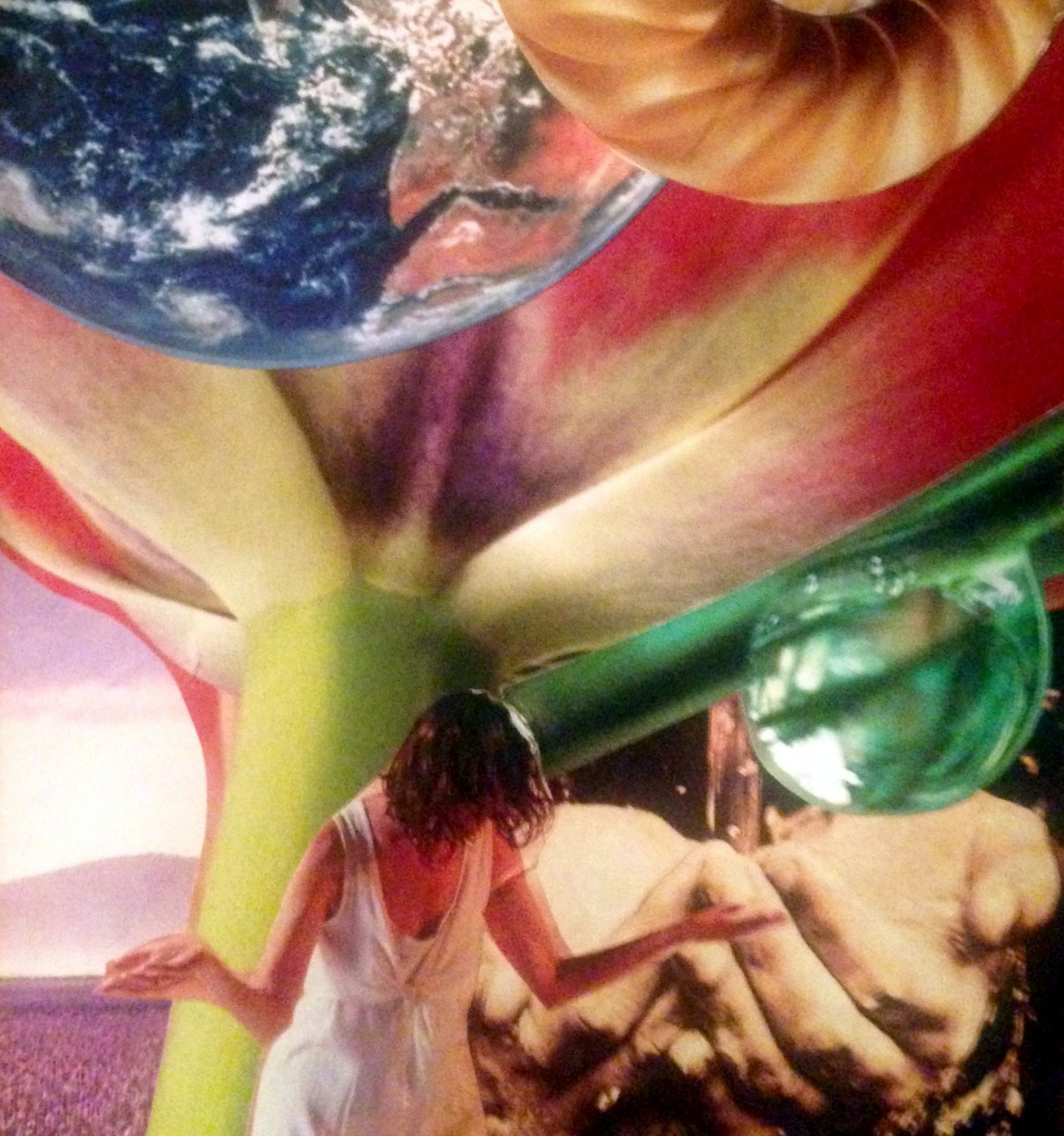
I am one who believes in the Divine birthing of our planet and the life-force that is poured out for us by our mere existence in this dynamic, evolving, growing, breathing earth home.

I am one who exists as part of this environment, receiving the mysterious flow of energy and outpouring of nourishment with open hands. I bow my head at the splendor of shades and shapes, the rebirth of nature through the sacred spirals of the seasons, the purpose and patterns that are sometimes evident and always sought after. The waters of life flow through us—cleansing, renewing, blessing us with existence. Nature gives to us without hesitation.

I am one who receives with awe.

“I am one who”…is a SoulCollage® prompt used to speak from, not about, your card/collage.

Consider creating a collage for Earth Day that represents your feelings toward our environment or your feelings about how humans interact with the environment. Be creative!! Show your love, anger, doubt, concerns, joys, gratitude—let your spirit moves you. Make it your Earth Day prayer.

For more info see other Earth Day blog posts. 

earth


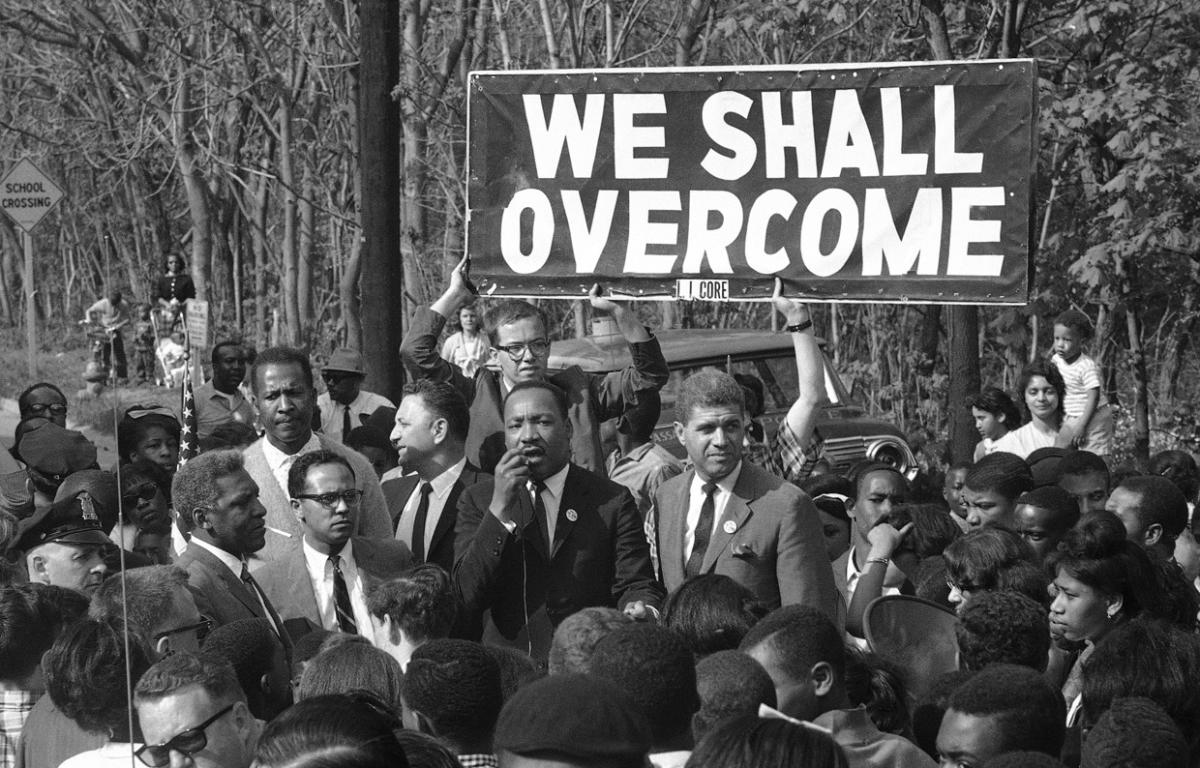
We Shall Overcome Someday

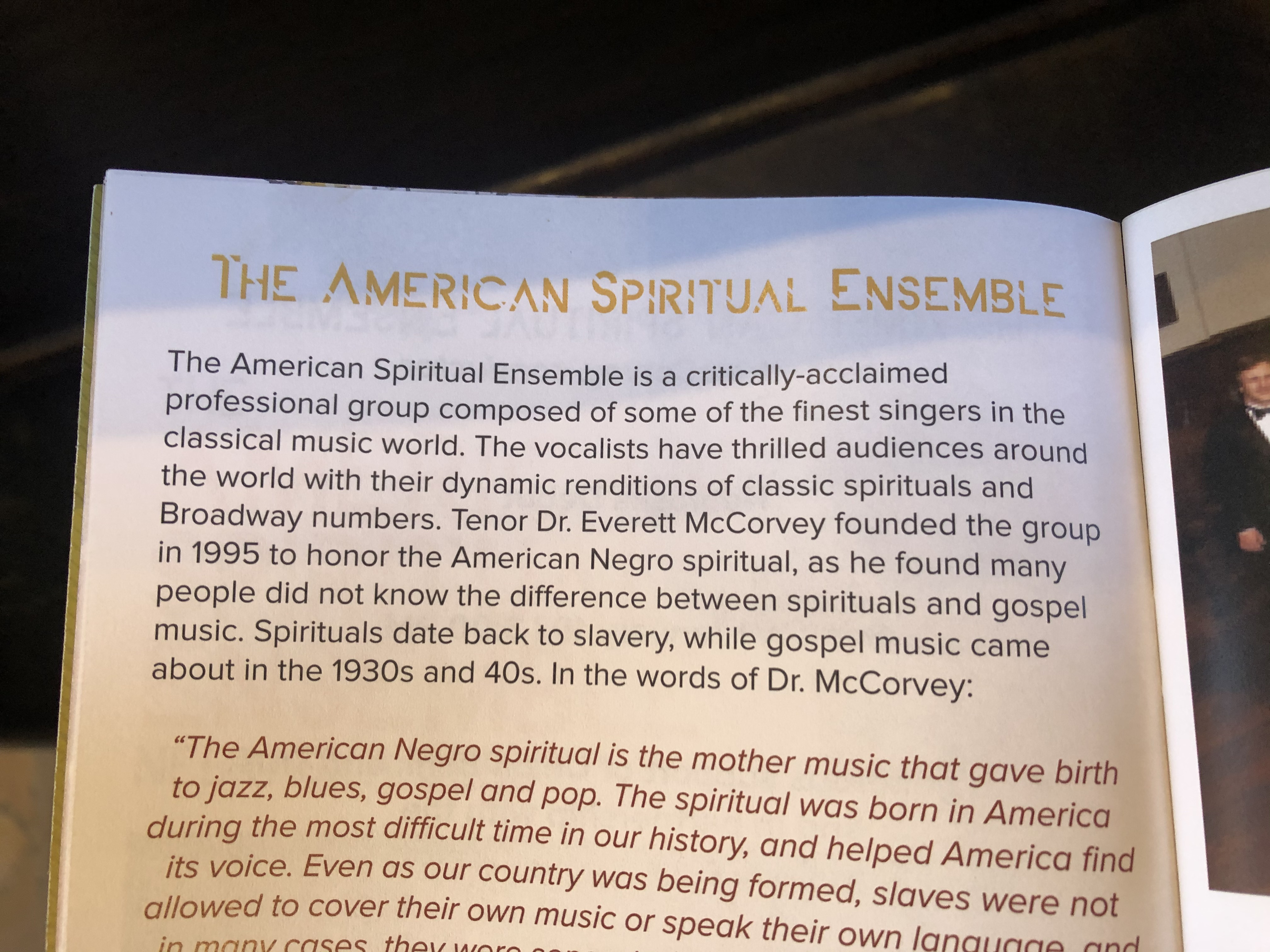
I had a soulful, musical experience this weekend that has left me (nearly) speechless. I went to a free afternoon concert of The American Spiritual Ensemble (ASE) at a local church—a concert to honor Martin Luther King Jr. with African American spirituals. I had no idea what a big deal the ASE is—they are “a critically-acclaimed professional group composed of some of the finest singers in the classical music world.” Their members have performed at the Metropolitan Opera, the Kennedy Center, Radio City Music Hall, the Aspen Music Festival and more. They are a big deal…and they are good. Incredibly good. 

ASE pics

IMG_3487

 I expected to hear some beautiful music, to be moved, yes—but it was so much more. It was a history lesson, a spiritual experience, and a reminder that we are all connected, that we must meet each other with compassion and in our suffering. We must lift each other up and Walk Together, Children—the first song. Continue reading “We Shall Overcome Someday”

Community: To Be Fashioned and Tried

June 2018 Oblate Lectio Divina and Discussion

Topic: Community

We continued our discussion on Community from the Rule of St. Benedict, Chapter 72 using 1 Corinthians 12: 12-30 for Lectio Divina.

christs body

Words and phrases that resonated with oblates became the springboard for our discussion—

  • seem to be weaker are all the more necessary
  • God placed the parts…as he intended
  • if one part suffers, all parts suffer with it
  • baptized in one body
  • there may be no division in the body
  • all given to drink of one spirit
  • now you are Christ’s body and individually parts of it
  • many are one body
  • our less presentable parts are treated w/ greater propriety
  • eye to hand—I do not need you
  • if one part is honored, all the parts share its joy

From the very first book of the Bible, we hear it is not good for us to live alone. One of the Ten Commandments, “Thou shalt not kill” could be understood metaphorically—that when we cut someone out of our community, we are killing that person’s role. There is a loss when we don’t honor each person in the community—we need all the parts.

When we judge that someone (a part) is unimportant and exclude them, we miss part of our body. Consider the marginalized in our society—the elderly, the poor, and the immigrant, among others—who are seen as less honorable or less presentable to the group. With our own perception and judgment, we kill off segments of the population that are the body of Christ.

Each of us has a special place in the body for our own community. But, still, we ask ourselves, in frustration—do I really need others? Do they really need me? But, yes, we are made to live together; no man is an island. We need others to realize our own weaknesses and strengths. For example, each of us in our oblate group has a role. We complement each other with our individual talents—we cannot all be the arm; we need the whole body to work together. Our group grows in relationship when we honor the talents of others and work together. Continue reading “Community: To Be Fashioned and Tried”

125 Years: A Big Day for Benedictines!

Celebrating the 125th Jubilee of the Benedictine Confederation, Pope Francis addressed Abbot Primate Gregory Polan, Fr. Prior Mauritius Wilde and other Benedictines, expressing his gratitude “for the important contribution that the Benedictines have made to the life of the Church, in every part of the world, for almost fifteen hundred years.”

frm2

Sant’ Anselmo, the seat of the Benedictine Confederation, is the home of the Abbot Primate and eighty monks from over thirty countries around the world. It was a thrill for me to visit Fr. Mauritius Wilde, Prior of Sant’ Anselmo, for a tour of the academic center, prayers with the monks, and a formal address for the Fourth International Oblate Congress. It was Pope Leo XIII, Fr. Mauritius shared, who said, “You Benedictines need a place in Rome. He saw two things: he certainly saw it was difficult for him to control us Benedictines, so he wanted to have a representative in Rome and he created the office of the Abbott Primate, the highest representative of all Benedictines.”

jubilee

On April 18, 1893, the first stone of Sant’Anselmo was laid on the Aventine Hill.  “In this celebration of the Jubilee of the Benedictine Confederation we wish to recall the commitment of Pope Leo XIII, who in 1893 wanted to unite all the Benedictines by founding a common house of study and prayer, here in Rome”, Pope Francis said. On July 12, 1893, Pope Leo XIII officially established the Benedictine Confederation. Continue reading “125 Years: A Big Day for Benedictines!”

Pilgrimage Day for the World Congress of Benedictine Oblates, Part 4

Hearing from speakers, having small group discussions, sharing meals and worshipping in daily prayers and Mass were on the agenda for 5 out of the 6 days of the conference. The exception, Wednesday, November 8, was a special day for the participants of the 4th World Congress of Benedictine Oblates.

DSC_0922a

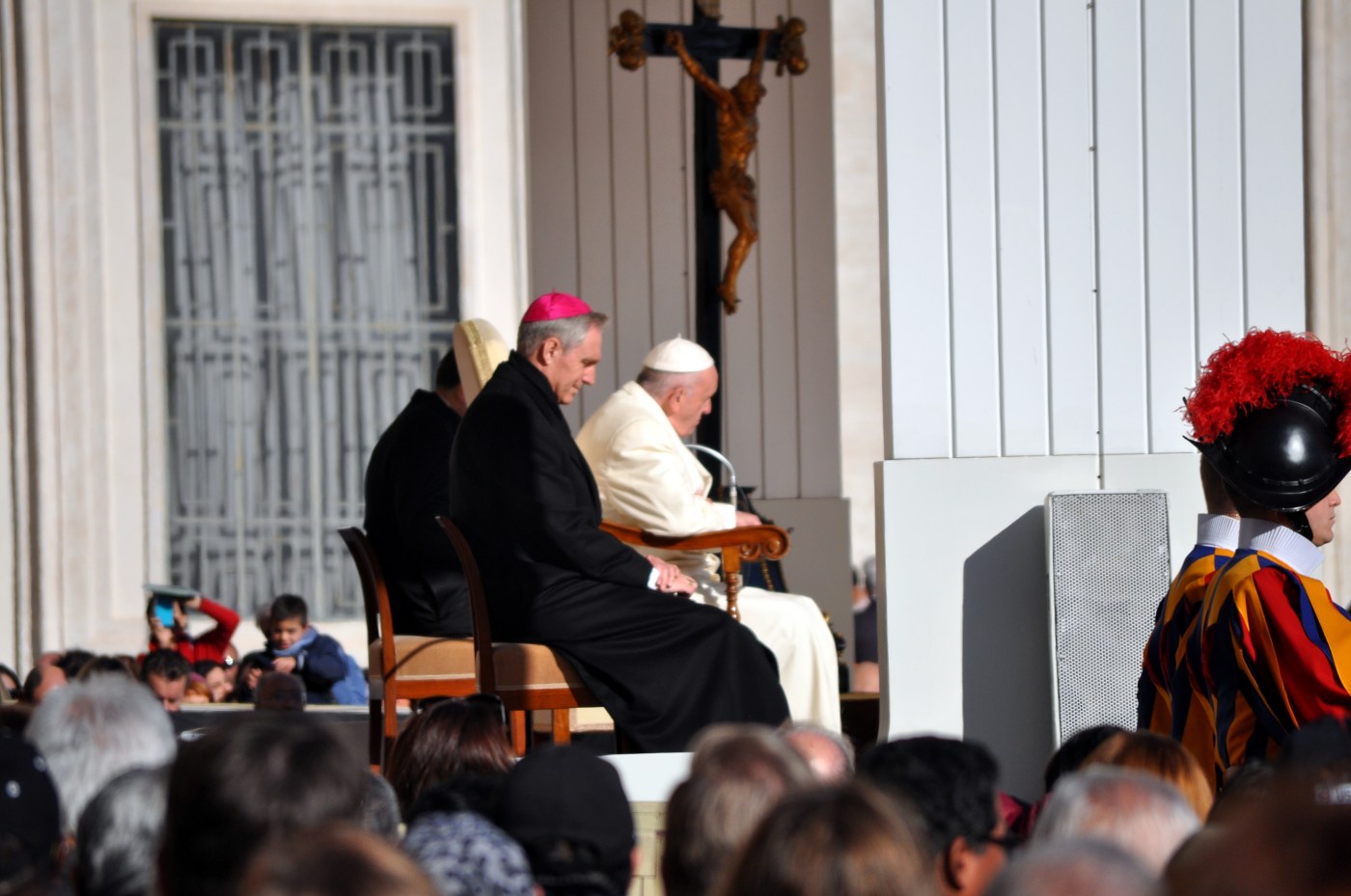
Our morning started with attending the General Audience of Pope Francis at St. Peter’s Square. We were delighted to be seated on the platform, very near where the Holy Father was also seated. His message on the Eucharist was followed with a welcome for visiting groups with a special mention of Benedictine Oblates. For many oblates, this was one of the most magical moments of the week. Continue reading “Pilgrimage Day for the World Congress of Benedictine Oblates, Part 4”

Blog at WordPress.com.

Up ↑