Search

Being Benedictine

Living SoulFully as an Oblate of St. Benedict

Tag

nature

Celebrate Trees: An Arbor Day Message

For the last 153 years, Arbor Day has been celebrated on the last Friday of April. The founder of Arbor Day, J. Sterling Morton, understood the importance of trees to agriculture, for windbreaks to keep soil in place, for fuel and building materials, and for shade from the hot sun. He believed in getting everyone, particularly students, involved in planting trees. An estimated one million trees were planted in Nebraska on April 10, 1872, encouraged by contests between counties and schools.

Trees nourish each other beyond what our eyes can see or our minds can understand. Deep within, at a root level, they are connected. The same is true for humans; we are deeply connected and nourished by each other. By gathering in community, we support each other. We keep each other standing tall and strong.

Inspired by the symbolism of trees, I created a SoulCollage card I named “Tree of Life.”
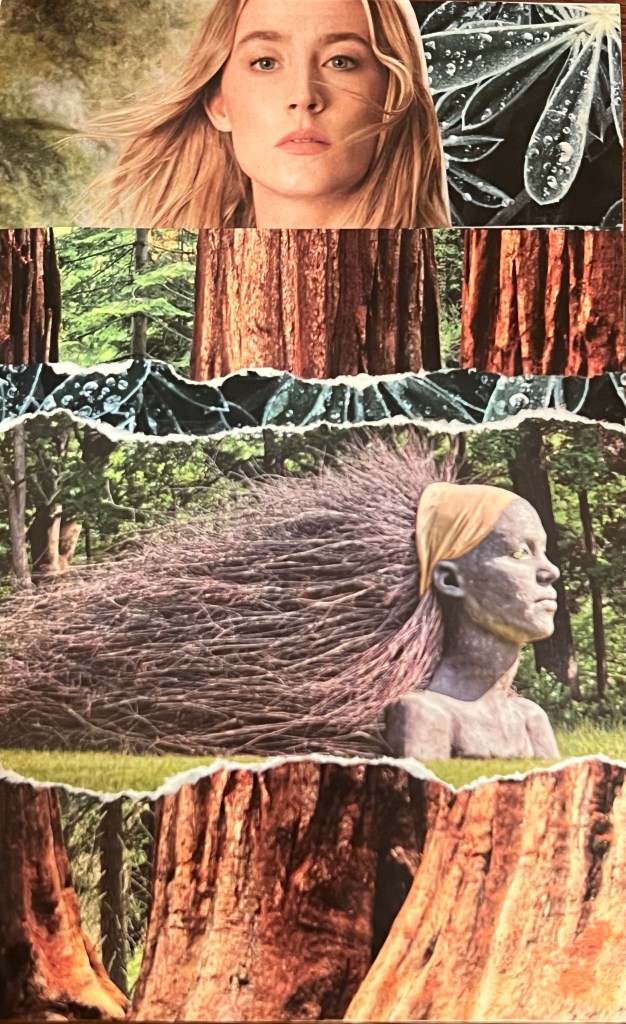
I am one and the many, tree and part of the forest.
Rooted deeply, standing tall, leaning towards the light.
Roots mingling with, connected to, nourished by others.
Growth is in my nature, and nature is in me.
I am the tree of life.

© Jodi Blazek Gehr

Read more about the synchronicity of creating this card and finding the perfect poem in Tree of Life.

“Benediction of the Trees”, a song written and performed by Derek Dibbern, is a prayerful song. It is recognition that Nature blesses us with trees for our healing, enjoyment, leisure, and protection–our very breath depends on the existence of trees. See images of trees through the seasons and a video of the song at Benediction of the Trees.

What is being asked of us is nothing other than a certain responsibility for the legacy we will leave behind, once we pass from this world.” –Pope Francis, Laudate Deum, 18

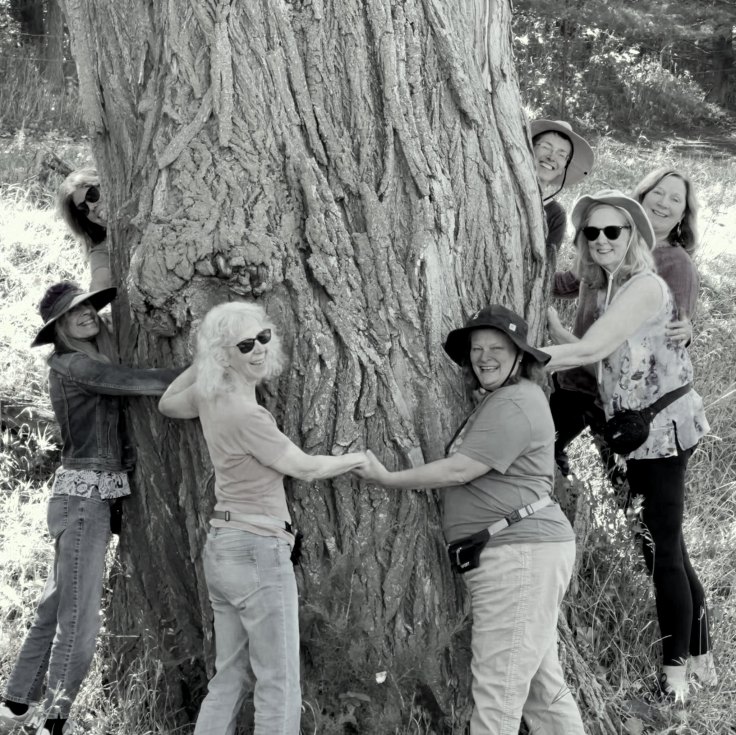
The existence of trees has been threatened in the name of progress, to pad the pockets of the greedy, or, sadly, out of sheer ignorance. The original tree huggers, known as the Chipko movement, continues to influence environmentalist efforts, forcing reforms and moratoriums in the forestry industry that saved thousands of trees. Read more about a tree-hugging moment for a group of friends as we celebrate reading Braiding Sweetgrass by Robin Wall Kimmerer at Tree Huggers: The Circle of Care.
The Arbor Day Foundation works to “help others understand and use trees as a solution to many of the global issues we face today, including air quality, water quality, a changing climate, deforestation, poverty, and hunger” through conservation and education programs. Read more about Arbor Day at Planting Trees is a Big Deal: 150 Years of Arbor Day!

© Jodi Blazek Gehr, Being Benedictine Blogger

Tree of Life

“Everything in this world—every quark, atom, dust speck, heartbeat—quivers with the presence of God and is the presence of God…a kind of fourth dimension to all of life.”

-Thomas Keating: The Making of a Modern Christian Mystic by Cynthia Bourgeault

I find this divine quivering in the creative process of SoulCollage®, writing, planning retreats, deep listening with kindred spirits, reading good books and poetry, and in this season, beholding the beauty of springtime in the shimmering of every conceivable shade of green.

The presence of God quivers especially in the holy surprise of synchronicities, often referred to as a “thin place” by the Celts. Just minutes after creating a SoulCollage® card titled Tree of Life, I stumbled upon the most perfect poem.

Continue reading “Tree of Life”

Light and Shadow: Atoms of Delight

A Contemplative Day

A contemplative day
morning to dusk, I return to the window.
Heavenly light casting shadows,
I center my heart’s attention on the one thing
Tree in eternal standstill.
Earth spinning on its axis, in and out of daylight
Subtle changes, shifting shadows.
The one thing is still the one thing.
Cloaked with leaves from green to golden yellow or in winter, naked
The tree is still the tree.
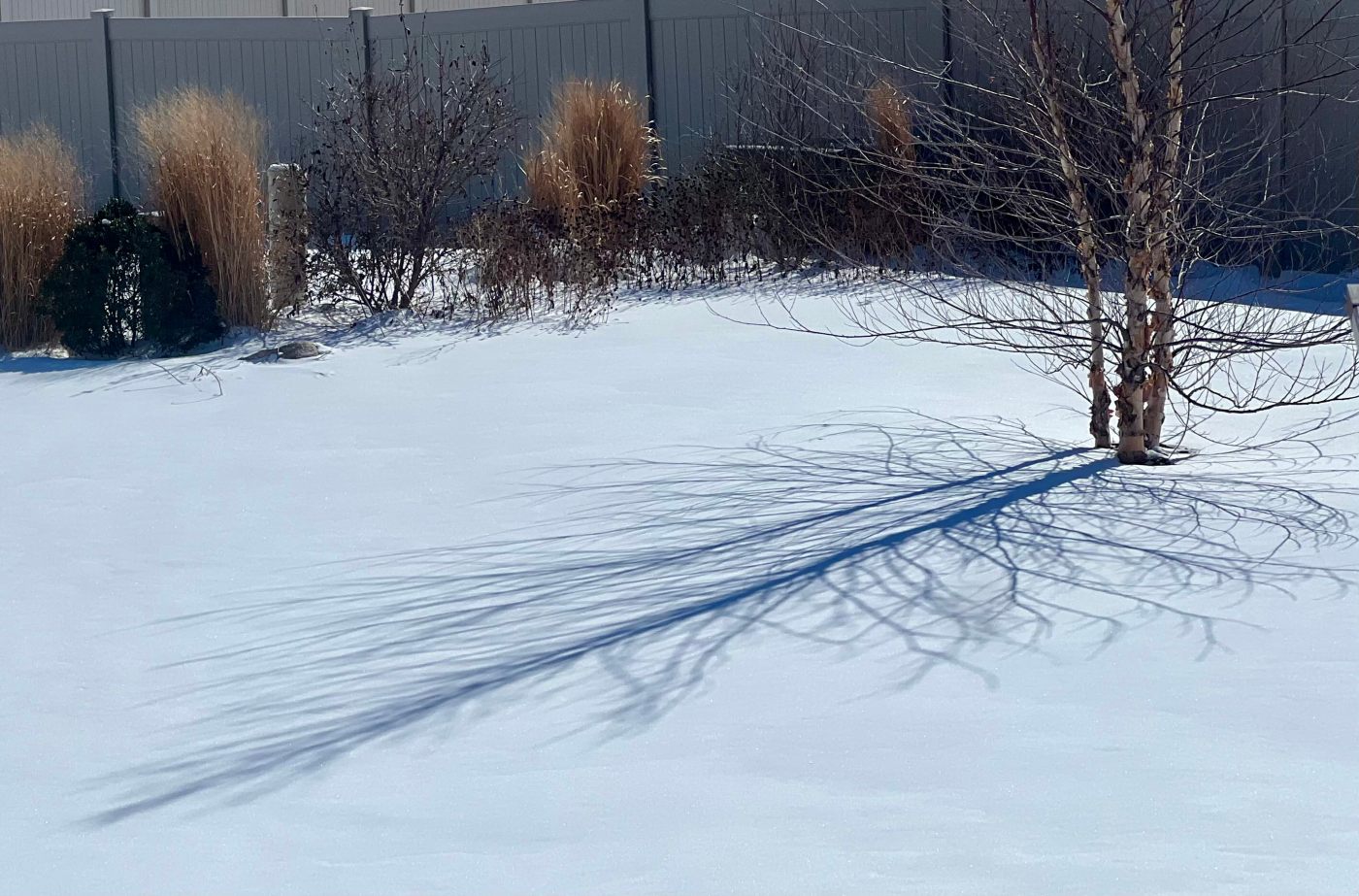
Light and dark, a blanket of snow and shadow branches.
Insights shifting with the shadow.
Perspective is everything.
Shadow deepens, lengthens, lightens, disappears.
For shadow, for me, the Source of Light is essential.
The only lasting truth is change.

(written by me! © Jodi Blazek Gehr)

“Wonders are the signpost to the Wonderful. Wonders will not cease while time keeps unfolding. Time left ahead assures us of wonder’s returning.” –excerpt from Ceaseless Wonders, Ana Lisa de Jong, Living Tree Poetry, February 2025

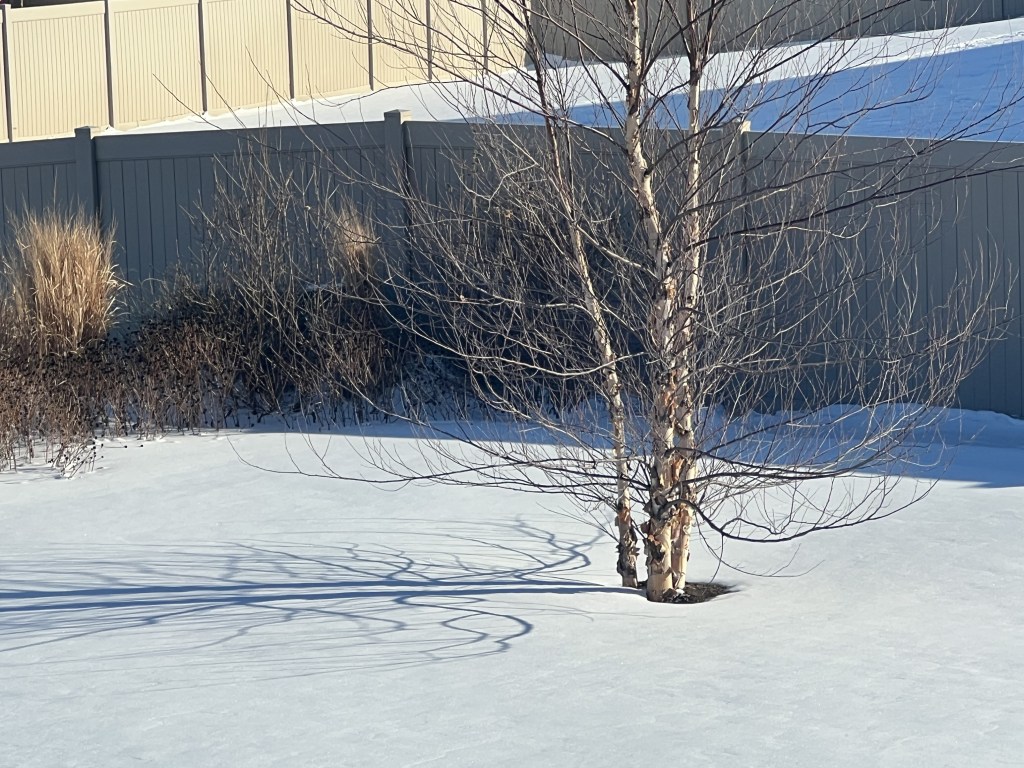
Wonder captured me the other day as I was working in the kitchen. Our first measurable snowfall didn’t happen until February this year in southeast Nebraska. The sunlight on a backyard birch tree elicited the most intricate artwork on the fresh snow. I returned a time or two to see how the shadow shifted, deciding to make it contemplative prayer throughout the day.

Continue reading “Light and Shadow: Atoms of Delight”

Atoms of Delight: A Pilgrimage to Iona

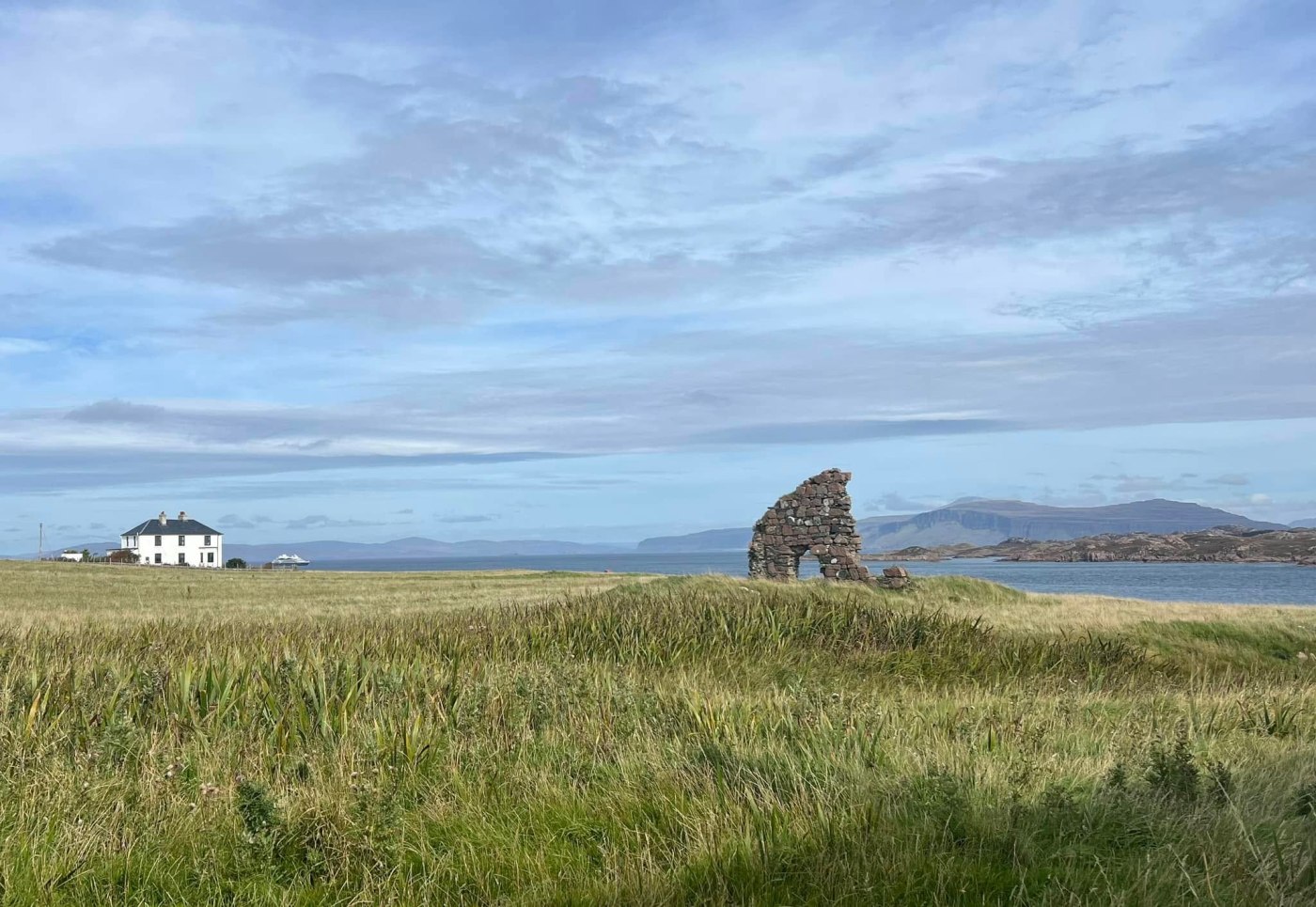
It was truly a dream to visit the sacred sites of Iona on a Celtic spirituality pilgrimage to Ireland and Scotland. Getting to Iona is a pilgrimage in itself, yet the journey has been made countless times since the 7th century. Most tourists visit for only a day, like we did, traveling from the coastal town of Oban, Scotland to Craignure on the Isle of Mull, then taking an hour-long bus ride on winding, narrow roads to the other side of the island arriving at the village of Fionnphort. From there, a foot ferry delivers you to the island of Iona. The day’s last ferry departs around 4:30 in the afternoon for the two-and-a-half-hour trip back to Oban. If the ferry is missed at the end of the day, staying overnight on the island is your only option.

Both the ferry and bus ride provided tremendous views. Our bus needed to occasionally pull over to the side of the narrow roads when meeting other vehicles.

Iona is the birthplace of Christianity in Scotland where St. Columba established an Abbey in 563. It might seem like a lot to get to this holy isle, only three miles long and one and a half miles wide, but walking the ground where St. Columba did 1500 years ago, where Benedictines established a monastery in 1204, the place where artists, sculptors, and writers have been inspired for centuries, is a holy, singular experience.

While I longed for more time to wander the beaches and secret coves, the time allowed for visits only to the most well-known sites closest to the ferry landing. Still, our pilgrimage group was able to participate in a meaningful community prayer for peace and reconciliation at the Abbey and visit the Nunnery ruins, St. Oran’s chapel, museums, gardens, and quaint shops including a bookstore, a “must-see” destination on my mini-pilgrimage to Iona.

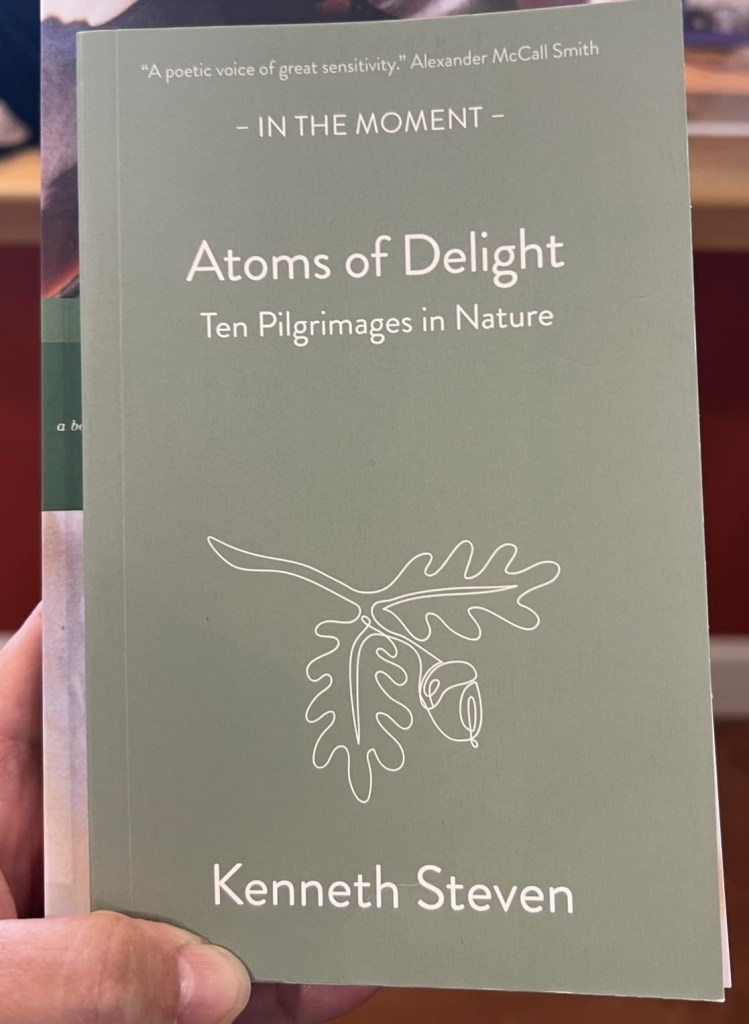
Months earlier, when I was planning the sites to visit in Ireland, a Benedictine Oblate friend, poet and photographer, Pat Leyko Connelly, reached out about some of her favorite experiences from her trips to Ireland. Pat and I connected through our shared love of Benedictine and Celtic spirituality, and she was generous in sharing tips about places to see in Ireland. When she learned I would also visit Oban and Iona in Scotland, she exclaimed that I must meet with her poet friend Kenneth Steven. Pat could not say enough wonderful things about his poetry. She also hoped I could bring back his newest book “Atoms of Delight” from the bookstore on Iona for her. Kenneth and I exchanged several messages and hoped to connect when I was there (unfortunately, our schedules didn’t allow it, but hopefully there is a next time!)

Visiting a bookstore is one of my favorite things to do, and I was just as excited about browsing book titles on this holy ground as praying in the abbey. The little bookstore was at the end of the walking trail, Sràid nam Marbh (‘Street of the Dead’,) where pilgrims have been walking for centuries. I quickly found THE book, took a photo of it to send to Pat, found another book by John Philip Newell for my friend Ellen, packed both of them away for my journey back to Oban, and later loaded them with all the souvenirs and other books I had purchased for the journey back home.

Continue reading “Atoms of Delight: A Pilgrimage to Iona”

From Dumpsite to Daffodils

One of my favorite places to visit is a former dump site. 

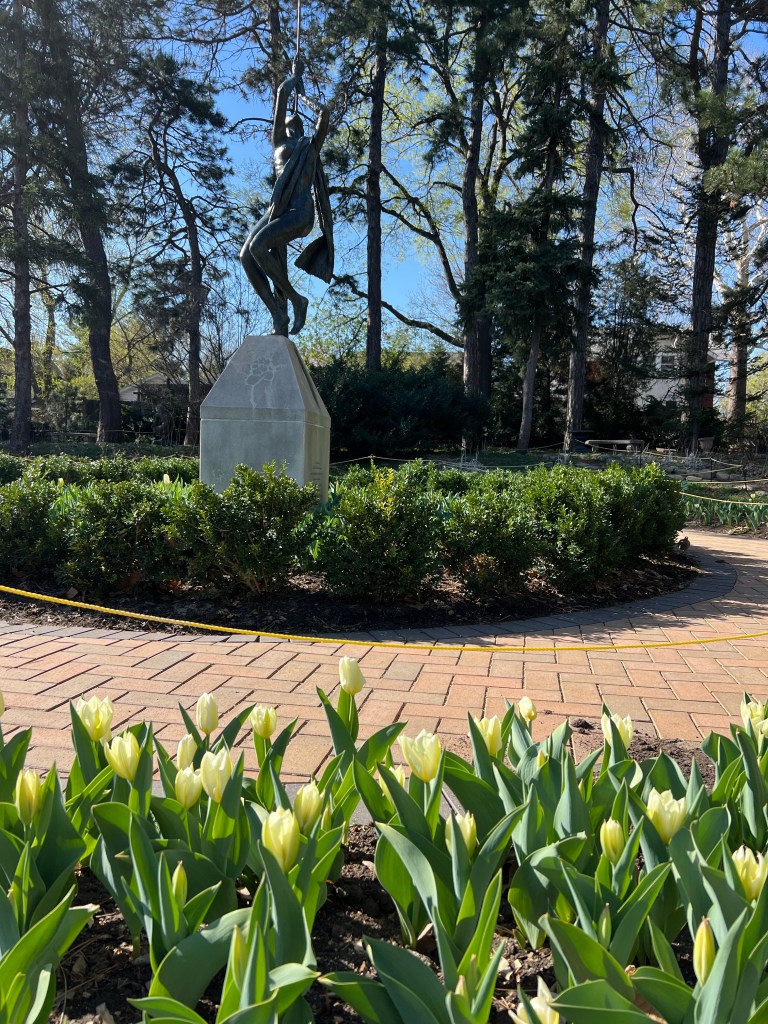
Despite its location on the corner of a very busy intersection in Lincoln, a former landfill is now a sanctuary with thousands of flowers planted on its one-and-a-half acres. The iconic Sunken Gardens, perfect for wandering, contemplation, and enjoying the beauty of nature, has a healing garden, stunning sculptures, a cascading fountain, and open lawn spaces. Through the years, the gardens have been a special venue for weddings (although brides and grooms must be prepared for cars honking as they drive by), art shows, family picnics, contemplative walks, a quiet place to read, photography, or friendly conversations.

On one of our many sightseeing or historical tours of Lincoln as a child, my dad shared that the gardens had originally been a dump. Amazed, I couldn’t imagine how that kind of transformation could take place. In 1930, as part of a depression-era city program to help unemployed men earn a little cash, the idea of Sunken Gardens was birthed. Crew members worked eight-hour shifts, two days a week for a total of $6.40 per week. Through the years, the gardens have been improved and renovated, most recently in 2005 with a $1.7 million fundraising campaign. I am so grateful for that vision and the continued effort of volunteers to create something of such beauty from trash. 

Sunken Gardens is often a specific destination for me but if I happen to be driving nearby, I might make a spontaneous visit. Recently, I had a few minutes after an appointment, and knowing the tulips and other bulb flowers wouldn’t last much longer, I drove a little out of my way to visit. It was a soulful, wonder-full fifteen minutes of enjoying the fleeting blooms. Finding wonder in nature is a path to practicing contemplation and observing silence. 

St. Benedict invites us to “listen with the ear of the heart” (Rule of St. Benedict, Prologue:1).

“This calls for a contemplative stance, an ability to experience wonder and joy in nature. It can also prompt me to ask: when was the last time I really saw the swift flight of a bird, the delicate beauty of rose petals?? Rather than trying to fill every moment with sound and distraction, the Benedictine way of life is characterized by peace and silence. Benedict instructs his followers to “diligently cultivate silence” (Rule of St. Benedict, 42:1)

Common threads: Francis’ encyclical and Benedict’s rule, By Mary McDonald SGS

I considered this dump-turned-garden as the ultimate metaphor for transformation. Truly, all things can be transformed, and have the potential to be created anew, in our planet, in ourselves, and in relationships.

God did not create creation light years ago, he continually maintains it in existence. God is constantly in the very act of creating. He fills us with his Spirit of creativity so that we can transform the world according to his creative will. Anselm Grün OSB, Benedict and Creation

To be Benedictine is to be open to conversion within ourselves, with people we might disagree with, or in protecting our environment. We allow for the possibility of reconciliation, and restoration of how things could be at their fullest potential. Just as creation is constantly creating and evolving, so must we. We must adapt and change to the environment we are living in by not taking too much or giving too little. Enjoying nature, being in the present moment, and nurturing silence that brings creative thought is the call of Being Benedictine.

© Jodi Blazek Gehr, Being Benedictine Blogger

A Winter WONDERland

“A snow day literally and figuratively falls from the sky, unbidden, and seems like a thing of wonder.”

-Susan Orlean

For students and teachers alike, there is nothing quite like getting a “snow day,” no matter if it is actually snowy or whether it is sleet, ice, or high winds— especially if we learn of our impending day off BEFORE we go to bed. I usually stay up a little later, sleep in a little later, binge-watch some TV, catch up on some reading or writing, and gaze out the window (or if it isn’t too awful out, take photos in my yard.) It is a gift of time, a free day.

This week we had one of those snow days. We were forecasted to get 8 to 12 inches of snow. We didn’t—but we did get a lot of sleet and ice. It was a challenge to get little Bailey, my 14-year-old dachshund poodle to go potty. Her little paws stuck to the stiff, sticky, icy grass, so it was one of those snow days to enjoy from the inside.

“They say that every snowflake is different. If that were true, how could the world go on? How could we ever get up off our knees? How could we ever recover from the wonder of it?

Jeanette Winterson

Only one snow day, so I was off to school the next day. The morning drive took a bit longer (no time for gazing in the morning; every minute matters when you’re not a morning person), but the intentionally-circuitous drive home from school was an opportunity to gaze at icicles, glistening like crystals, full of the drop-to-your-knees kind of wonder. (I was driving, so I saved my knees). I am so grateful that the temperature stayed chilly enough to preserve the false-alarm-blizzard-sleet-and-ice storm icicles.

Continue reading “A Winter WONDERland”

The Birds Are Still My Prayer

Our favorite pandemic pastime has been sitting on the deck in our backyard. We enjoy the sights and sounds of nature regardless of the weather. Nature has been healing for us, even if it means bundling up with coats, hats and mittens and plugging in a few outdoor heaters. We enjoy home-cooked meals, whiskey tastings, long conversations, and an occasional cigar (for one of us.) As Covid cases decrease and more people are vaccinated, we are encouraged to return to life as usual, but I find that given the option, my favorite entertainment is still in my own backyard.

Let me seek, then, the gift of silence, and poverty, and solitude, where everything I touch is turned into prayer: where the sky is my prayer, the birds are my prayer, the wind in the trees is my prayer, for God is in all.

— Thomas Merton, Thoughts In Solitude

One year ago, I wrote, “Birds chirping, frogs croaking, raindrops meeting their “splat” on the flowerpots and patio chairs, wind rustling in the trees—the simple sounds suggest that all is well with the world.” I feel the exactly the sameall is MOST well when I am attentive to the sights and sounds of nature, when I witness creation unfolding in my own backyard.

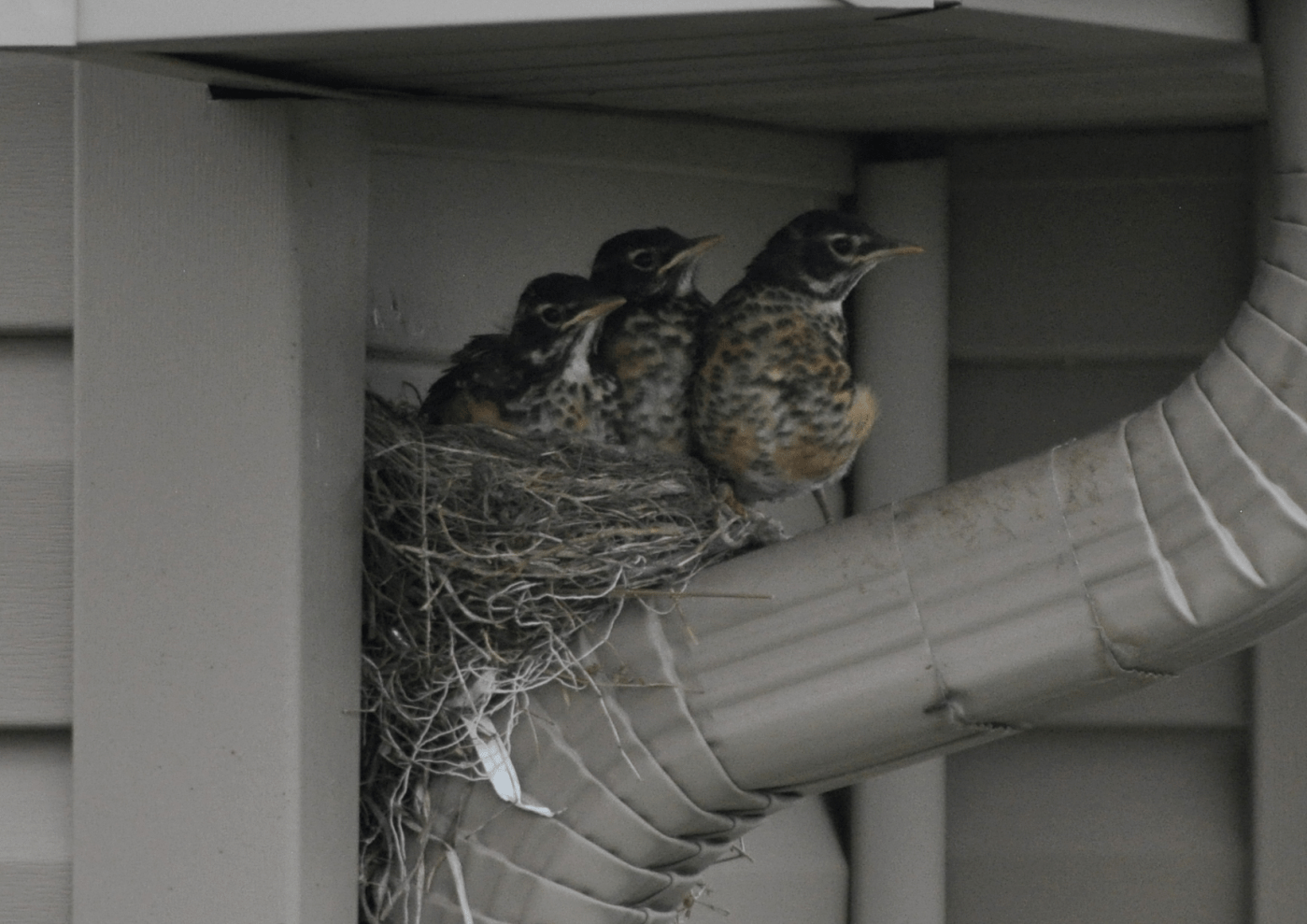
A few weeks ago (April 29, 2021), we noticed the resourcefulness of this mama robin who had built a nest on the downspout of our neighbor’s house. A bird’s home is its castle, as seen from our deck.

A few weeks later (May 14, 2021), we see the first feeding of the baby birds.

Continue reading “The Birds Are Still My Prayer”

Earth Day: Many Ways to Pray for Creation

Seeing the beauty in nature is the first step in taking action to protect it. Our planet needs all the love, prayer, and protection it can get. Celebrate creation this Earth Day by sending positive energy and intention into the universe through some creative and prayerful practices including contemplative photography, nature meditation, Visio Divina, Soul Collage® and Lectio Divina. There are many ways to pray!

DSC_0699

Let me seek, then, the gift of silence, and poverty, and solitude, where everything I touch is turned into prayer: where the sky is my prayer, the birds are my prayer, the wind in the trees is my prayer, for God is in all. — Thomas Merton, Thoughts In Solitude

Practice contemplative photography

Contemplative photography is a prayerful practice of seeing with new eyes. With camera in hand, I have learned to slow down, be more aware of details, be less goal-oriented and more process-oriented, to enjoy the beauty of simple things, and take more time to appreciate the surprises of a new country road or the change of seasons. This sense of adventure brings a deep joy in capturing a scene that will never quite be that same way again. It is when silence, solitude, creativity, and nature collide into an oneness that can only be received, not pursued.

On the Road collage

The great Catholic writer Ernesto Cardenal in Abide in Love observes: “Everything in nature has a trademark, God’s trademark: the stripes on a shell and the stripes on a zebra; the grain of the wood and the veins of the dry leaf; the markings on the dragonfly’s wings and the pattern of stars on a photographic plate; the panther’s coat and the epidermal cells of the lily petal; the structure of atoms and galaxies. All bear God’s fingerprints.”

DSC_0032a

Go for a walk and look for God’s trademarks. Better still, use a camera to document evidence of God’s fingerprints in nature. Source: Earth Day: 12 Spiritual Practices to Honor the Earth

Praying with Art—Visio Divina

Visio Divina is like Lectio Divina, but instead of using the words from a page of Scripture to pray with, you use an icon, a sacred image, a work of art, or even a sunrise or sunset.The Flowers Are Burning… Oceans A Rising: An Art and Climate Justice Exhibition” was to have taken place at Holy Wisdom Monastery, a Benedictine monastery in Madison, Wisconsin, to celebrate the 50th Earth Day. Due to the global pandemic of COVID-19, the poignant collection of eco-inspired watercolors painted collaboratively by artists, Helen Klebesadel and Mary Kay Neumann, will instead be offered digitally.

Capture

“Using their artworks as a source of strength in the face of adversity, they call upon the power of beauty and love to guide us towards taking action to protect what we love and care deeply about…The artists believe deeply that humans must embrace the reality that we are all connected to nature…that what happens in the Ocean, on Earth or to any life forms above and below the water, is happening to us as well. Everything is related and we can no longer go forward believing in the superiority of human life over all other life, if we are to survive. The artists sense of urgency is born out of their love of the natural world and the desire to protect and preserve what is left before it is too late.” Source: Warning Signs—A Powerful Earth Day Exhibit Goes Digital. Continue reading “Earth Day: Many Ways to Pray for Creation”

From Fingerpaints to SoulCollage®: My Creative Kid (Now Adult)

I was absolutely tickled when my daughter, Jessica, asked me to help her with an Environmental Politics project when she was in college. Not only did it focus on SoulCollage®, one of my passions, but she had requested special permission to use a different research idea than those suggested by her professor. I find that kind of creative thinking pretty awesome. But, then, I think she’s a pretty awesome kid (now, adult.)


Science Fair 019
Jessica creating in elementary school

From finger painting and Play-doh as a toddler to crayons, markers, and watercolor in elementary school and later to SoulCollage®, Jessica has always been willing to try new things. We always had an “art drawer” at our house when Jessica was growing up and an evening at the kitchen table creating was a favorite way for us to spend time together. It has become a form of self-expression, self-understanding, even a way for Jessica to visualize her future.

Rather than putting words in her mouth, though, I wanted to hear from her what she valued about SoulCollage®. Perhaps her words will inspire another child, teen or young woman to express themselves creatively.

Continue reading “From Fingerpaints to SoulCollage®: My Creative Kid (Now Adult)”

Blog at WordPress.com.

Up ↑