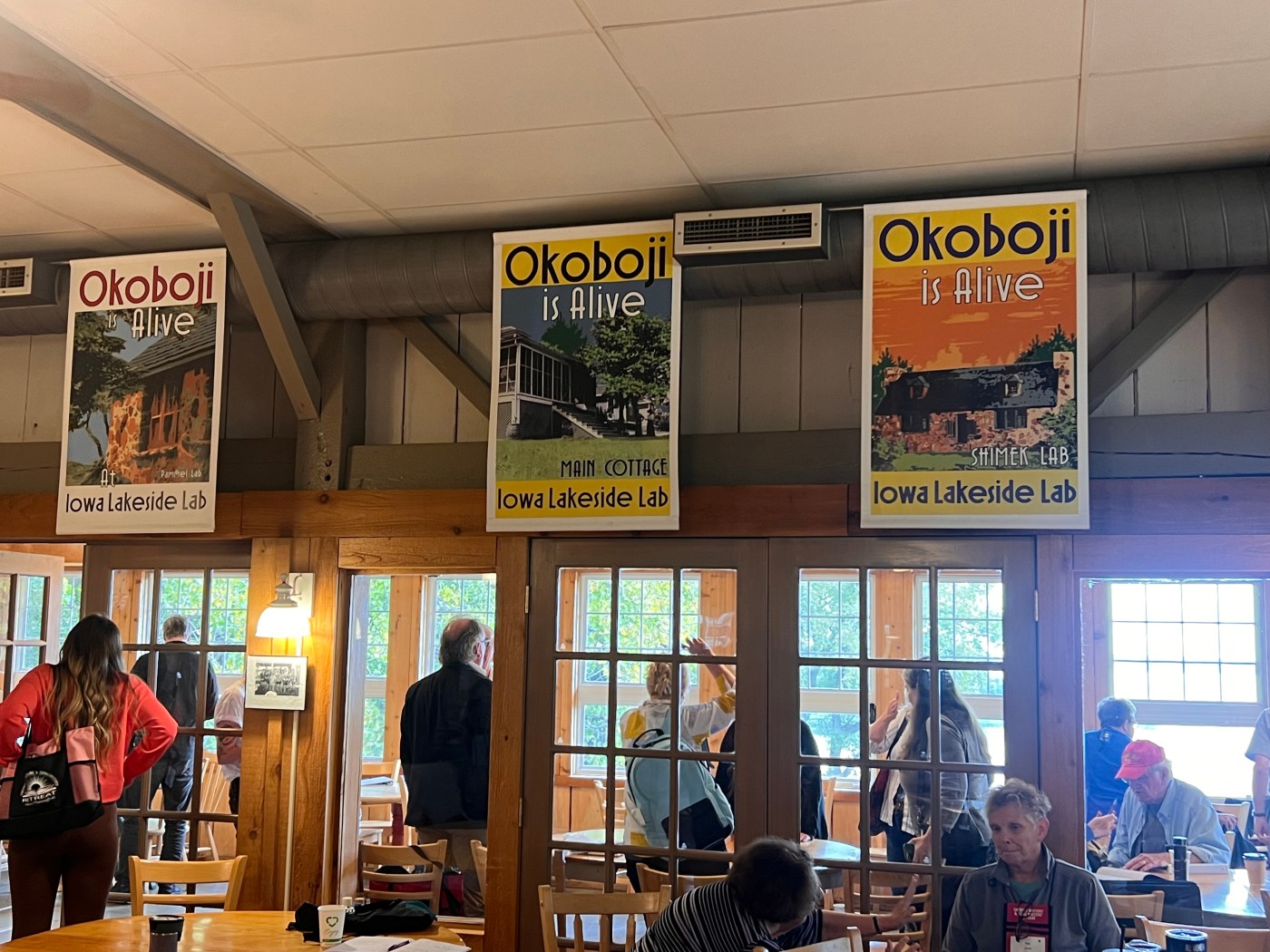
Growing up in Nebraska, I was always a little jealous of the families who vacationed every summer at Lake Okoboji. It seemed like something people of means and importance did—going to the same place each year because it was so fantastic and familiar, renewing connections made the year before.
I was certainly impressed by the stories I heard. And it was storytelling that took me to Lake Okoboji for the first time in my 59-year-old life for the Okoboji Writers’ and Songwriters’ Retreat.
With countless ideas for creative writing projects, I took my grown-up self, with memories of keeping childhood diaries, attending high school journalism camp, and writing for the Daily Nebraskan in college, to explore the dream of writing a book. In my adult years, I have filled hundreds of journal pages, written nineteen chapters for a potential book, and shared 269 blog post reflections at Being Benedictine. I am SO excited about what I learned at the Okoboji Writer’s Retreat, which will help guide me in my next steps. I will be long impacted by the creativity, gratitude, humor, music, enthusiasm, political discussions, inspiration, spontaneous mentoring, and connections formed at OWR.
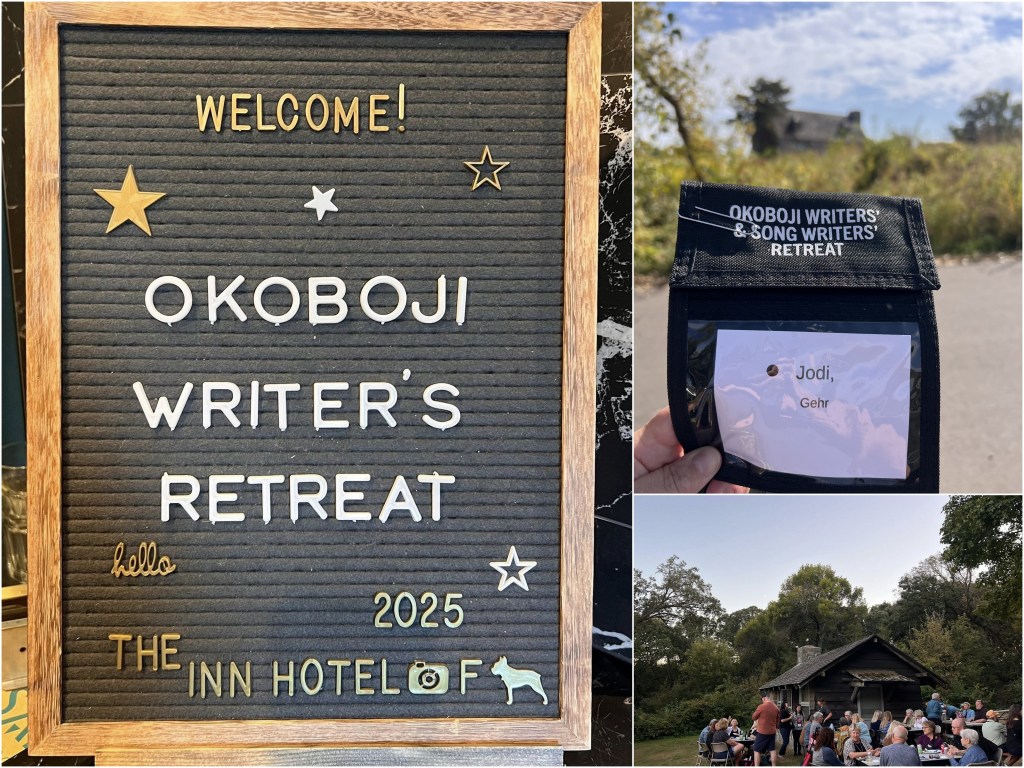
Some deep-in-my-soul takeaways:
Our stories are important.
I was encouraged by the workshops I attended on writing a memoir. You don’t need to be someone famous to share your story; our stories contain universal truths. “Storytelling is the artful reveal of information,” Beth Hoffman, author and producer of At the Iowa Farm Table podcast, shared. People hunger for connection, for people who feel the way they do, and everyone has a story that can help move others toward the light.
“Your story is your vehicle for transcending—rising above the battlefield of life and seeing with a new perspective, with fresh eyes. It’s an internal reckoning that reveals your philosophy and beliefs,” shared Debra Engle. Twenty years ago, after the traumatic experience of losing a friend to suicide, a wise person told me to write my guts out. And I did. Over the years, I have periodically revisited what I have written to consider how I might tell the story to help others navigate this unique grief. The advice at OWR was the same: “Give yourself permission to write anything and everything that comes out. It’s the raw clay. You can mold it later,” Hoffman said.
Our stories create community.
Holy moly! The impressive faculty, as well as the conversations that took place between sessions and at lunch, blew me away! From Pulitzer prize-winning journalist Art Cullen to novelist, playwright, and filmmaker Peter Hedges (What’s Eating Gilbert Grape and Dan in Real Life to name a few); from memoir author Debra Engle (The Only Little Prayer You Need with foreword by the Dalai Lama) to Beth Howard, author of Making Piece: A Memoir of Love, Loss, and Pie and documentary PIEOWA: A Piece of America; from national award-winning investigative reporters Phoebe Wall Howard, Bleeding Heartland’s Laura Belin, PhD and syndicated columnist Rekha Basu to “The Negro Artist” Caleb Rainey, author of Look, Black Boy.
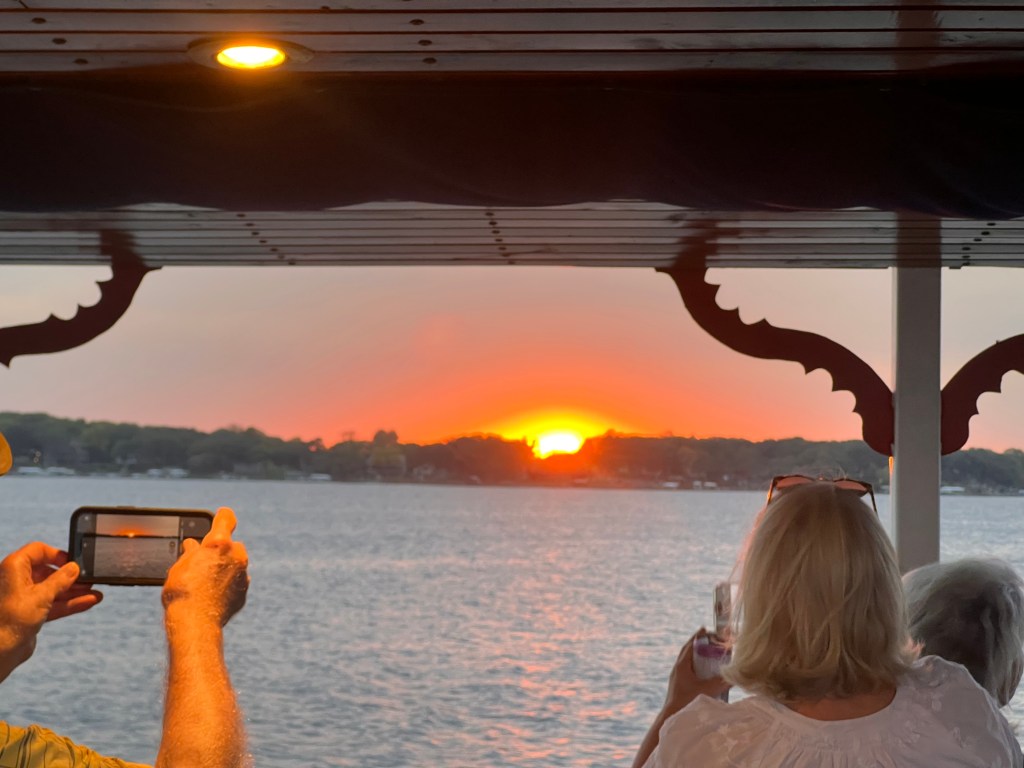
Hailing from Florida to California, Switzerland to Iowa, both faculty and participants shared writing tips, personal experiences, and words of inspiration. I was touched by the many stories of writers with a dream: Naz, who quit her day job and is living off her savings, is pursuing her dream of writing a screenplay. Michelle, whose husband was killed by a drunk driver, adapted her book, Better Not Bitter, into a screenplay currently being read by Hollywood decision-makers. Former U.S. Senator Tom Harkin shared the impact of witnessing people locked in cages and being unable to stop it. From experiencing Watergate to introducing the Americans with Disabilities Act, Harkin has important stories to share. Brian, who wrote a series of blog posts on a bike trip and turned them into a book, Alone: A 4000 Mile Search for Belonging. Kitty Sheehan, a woman who, after re-reading Seventeen magazines from the 1970s, wondered about how she and others were shaped by what they read when they were younger. I met Kitty on the Tuesday sunset cruise on Lake Okoboji. I was eager to see the views, yet I hardly noticed them because we were so engrossed in conversation. But we did see the sunset!
Our stories and democracy.
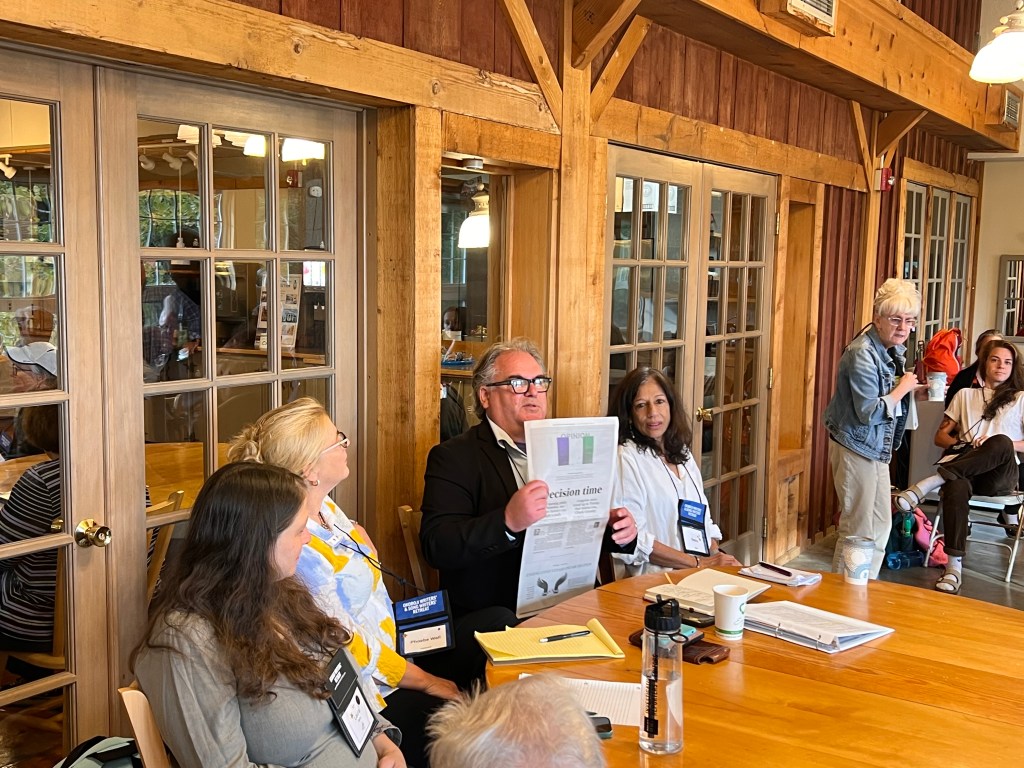
I was drawn to a workshop titled “Investigative Journalism and Democracy.” I have had a passion for the newspaper industry since having an incredible high school journalism teacher who taught not just about writing, but the value of free press. A career path in reporting could have easily been my choice; however, I ultimately pursued a career in marketing/advertising and eventually became a high school business teacher. Nevertheless, I have the utmost respect for investigative journalists and a deep concern for our democracy. Their deeply held convictions drive them to expose injustices and to do what is right to bring the truth to print. When people are in trouble, they often turn to investigative reporters. I came away with some solid ways to continue supporting the free press, including subscribing to newspapers, writing letters to the editor, backing independent media, sharing tips with reporters, mailing handwritten letters with stamps to elected officials, and delivering handwritten letters by a group of people.
Gratitude for stories. Make something!
My heart is full of the stories I’ve heard, the connections made, and the wisdom received from the Okoboji Writers’ Retreat. I look forward to learning more about each of the people I met, encouraging them in their writing projects, and reading what they create. In a recent blog post, I wrote about how we can learn from a tree about the value of connection with others. “When trees grow together, nutrients and water can be optimally divided among them all so that each tree can grow into the best tree it can be….a tree can be only as strong as the forest that surrounds it.” (The Hidden Life of Trees: What They Feel, How They Communicate by Peter Wohlleben)
Beyond what our eyes can see, or our minds can comprehend, trees nourish one another. Deep within, at a root level, they are connected. The same is true for humans. We are deeply connected and nourished by each other. By gathering in community, we support each other. We keep each other standing tall and strong. For writers, for democracy, for each other, we must share our stories. The child who yearned to go to Lake Okoboji has an even better reason to go as an adult. No doubt, I will return to the Okoboji Writers’ Retreat!
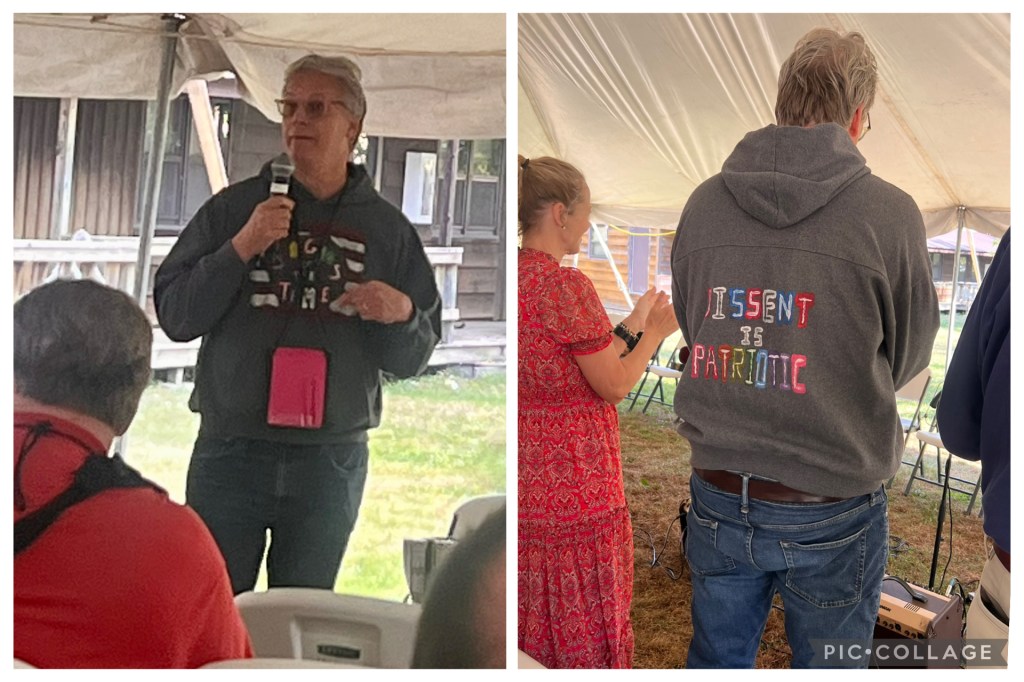
Peter Hedges concluded the retreat by exclaiming, “It’s in the making. Go make something. Make love. Make community. Make movies…make something!”


 Being Benedictine
Leave a comment