January 2026 Oblate Reflections, Christ the King Priory, Schuyler, Nebraska
Theme: Balance and Moderation; Lectio Divina: Matthew 6: 25-34
Sources: Wisdom Distilled from the Daily, Joan Chittister, Chapter 6 “Monastic Mindfulness: A Blend of Harmony, Wholeness, Balance; In place of confusing life patterns, the security of a healthy balance – The Holy Rule of St. Benedict Podcast w/ Fr. Mauritius Wilde, OSB
Our Lectio Divina reading mentions ‘worry’ six times. Our default emotion can be to worry in the face of an uncertain future, when we fear the worst or feel there may not be enough time, money, food, or stuff. Some of us worry more than others. We are constantly fed cultural and marketing messages that tell us we will be more comfortable if we buy this, more admired if we buy that, safer if we own this, and happier with that. When do we have enough? How do we find a balance? What is the secret to less worry?
So often, we worry about what we have no control over, and our stewing does not change the outcome. Only our peace of mind and heart are disturbed. Joan Chittister writes, “We’re a people who lack awareness. We’re a world that has lost a sense of balance…To live a life of Benedictine awareness means we must come to see what we cannot. To the monastic mind, everything speaks of God. What I have and what I do not have. What I want and what I do not want….Life takes a sense of significance and a happy admission of insignificance.”
We matter. Our wants and our needs matter, yet we are not the center of the universe. We are significant and insignificant simultaneously. Humbly, we must admit that we are not in control of everything, everyone, or every outcome. Things happen, but God accompanies. Our worry does not help. Our controlling tendencies do not get us what we want. Our worry, in fact, is an impediment to living our present moment most fully.
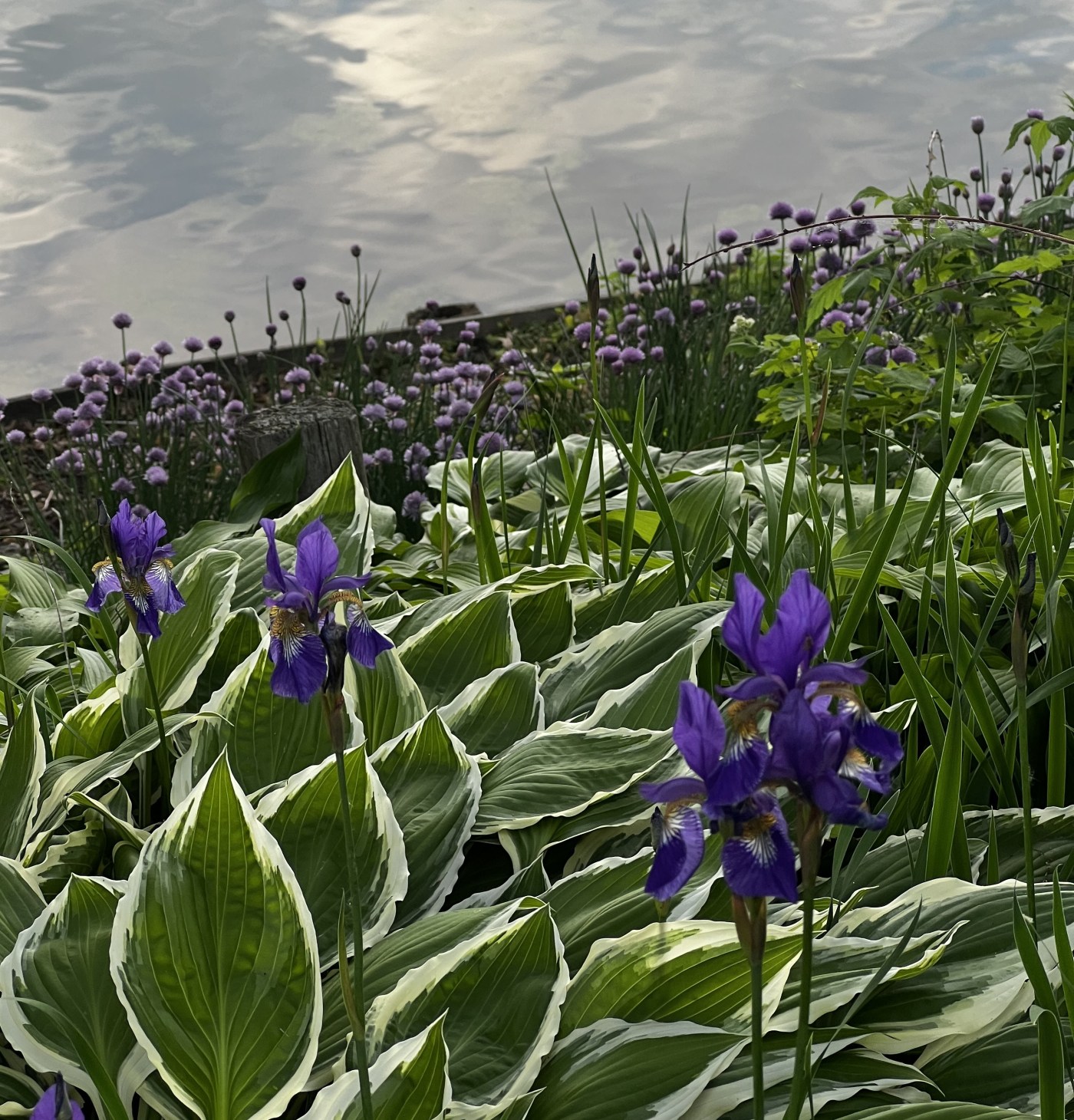
In Matthew 6, it is written, “Therefore I tell you, do not worry about your life, what you will eat or drink; or about your body, what you will wear. Is not life more than food, and the body more than clothes? Look at the birds of the air; they do not sow or reap or store away in barns, and yet your heavenly Father feeds them. Are you not much more valuable than they? Can any one of you by worrying add a single hour to your life? And why do you worry about clothes? See how the flowers of the field grow. They do not labor or spin. Yet I tell you that not even Solomon in all his splendor was dressed like one of these. If that is how God clothes the grass of the field, which is here today and tomorrow is thrown into the fire, will he not much more clothe you—you of little faith? So do not worry, saying, ‘What shall we eat?’ or ‘What shall we drink?’ or ‘What shall we wear?’ For the pagans run after all these things, and your heavenly Father knows that you need them. But seek first his kingdom and his righteousness, and all these things will be given to you as well. Therefore, do not worry about tomorrow, for tomorrow will worry about itself. Each day has enough trouble of its own.”
These words can be comforting and a reminder that we can only do so much. We can put into action only what we can and let be what we cannot change. Recognizing and naming our emotions of worry and fear can be helpful. “Awareness of the sacred in life is what holds our world together and the lack of awareness and sacred care is what is tearing it apart,” writes Chittister.
Our attention is the first step. When we notice our attachment to physical things, habits, routines, our desire to fix, help, or solve, God is with us as we face our life in truth. Life gives us grief and uncertainty, over and over again. We must accept that this is part of the whole picture of our lives.
Chittister writes about a stained-glass window in the chapel of her monastery — each window carries a different concept, meaning, and design, yet they are not in conflict with one another. It is the light that gives each segment its integrity, blending them together as one. “What is it that makes for unity among the many opposing energies we meet in life that could instead become just so many instances of noisy clash and conflict? What is it that brings life together and nature and people together and the world together and nature together?”
Continue reading “Flowers and Fear, Side by Side”




 Being Benedictine