Search

Being Benedictine

Living SoulFully as an Oblate of St. Benedict

Tag

monastery

To Love and Be Loved: The Monk and The Marriage

But now faith, hope, and love remain, these three; but the greatest of these is love. –1 Corinthians 13:13

This scripture verse is one of the most frequently read at wedding ceremonies, but it is meant for more than those getting married. We are created to love and be loved—all of us, no matter who we are or our chosen paths in life, whether monk or married.

Our deepest longing is to be loved. Love is the thread that runs through all the world’s religions. In Christianity, the Great Commandment is to “love the Lord your God with all your heart, and with all your soul, and with all your mind” and to “love your neighbor as yourself.” 

Several years ago, during spiritual direction with Benedictine monk, Fr. Mauritius Wilde, we discussed, despite our different vocations, how much we have in common. We each have a holy longing—to love God, to have a healthy love for ourselves, and to give and receive love. Practically speaking, we are the same age, we are both teachers and retreat leaders, have one brother, have the same middle name (Marie—seriously, what are the odds on that?), we share similar Enneagram personality traits, and each of us professed our marriage or monastic vows 40 years ago, a day apart. I was married on August 17, 1985, and Fr. Mauritius entered the monastery as a novice on August 18, 1985.

After one of many conversations where one of us would say, “That is exactly how it is for me!” or “Me, too!”, I half-seriously, half-jokingly suggested that we write a book about how, setting the whole monk vs. being married thing aside, we experience our love of God and others in many of the same ways. Nearly forgotten, this idea resurfaced a year or so ago, and we decided that leading a retreat together would be a good beginning. Our theme would be love, specifically how the Rule of St. Benedict can help us grow in love and to discover our “inner monk.”
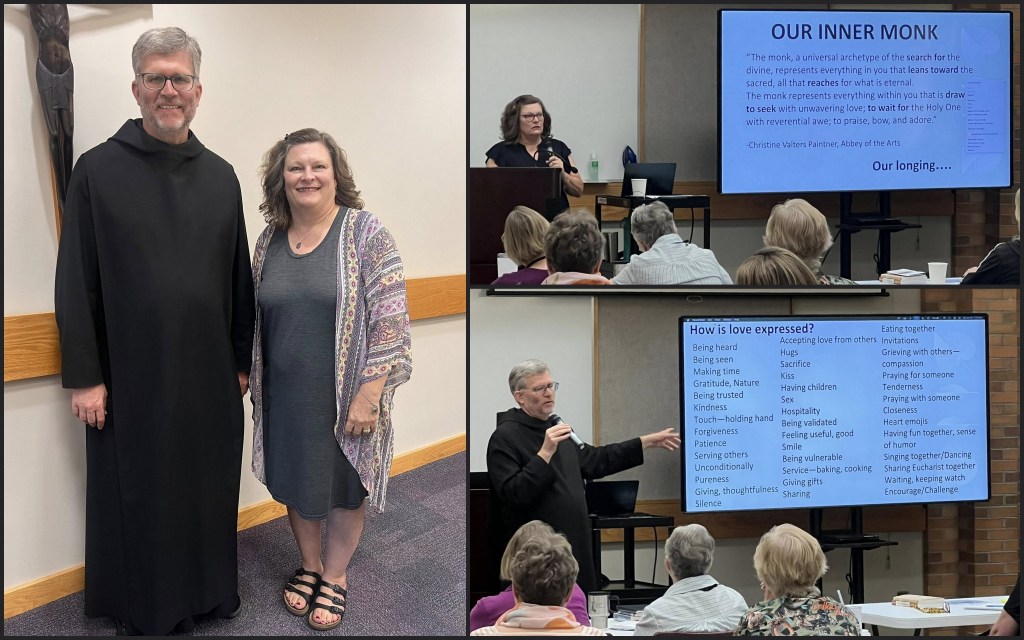
“The monk, a universal archetype of the search for the divine, represents everything in you that leans toward the sacred, all that reaches for what is eternal. The monk represents everything within you that is drawn to seek with unwavering love; to wait for the Holy One with reverential awe; to praise, bow, and adore.” -Christine Valters Paintner

The Rule of St. Benedict shows us the path of love, of nurturing the monk within while living in community. During our retreat, held in July 2025, we shared how the monk’s promises—stability, obedience, and conversion of life—are the foundation for learning and growing in the “school for God’s service.” (RB Prologue 45) For the monk, this place of learning is the monastery. For me, it begins in my family as wife and mother. But each of us is more than our role as a monk or a married person. Each can be transformed by practicing love in our friendships, workplaces, community, and environment.

Continue reading “To Love and Be Loved: The Monk and The Marriage”
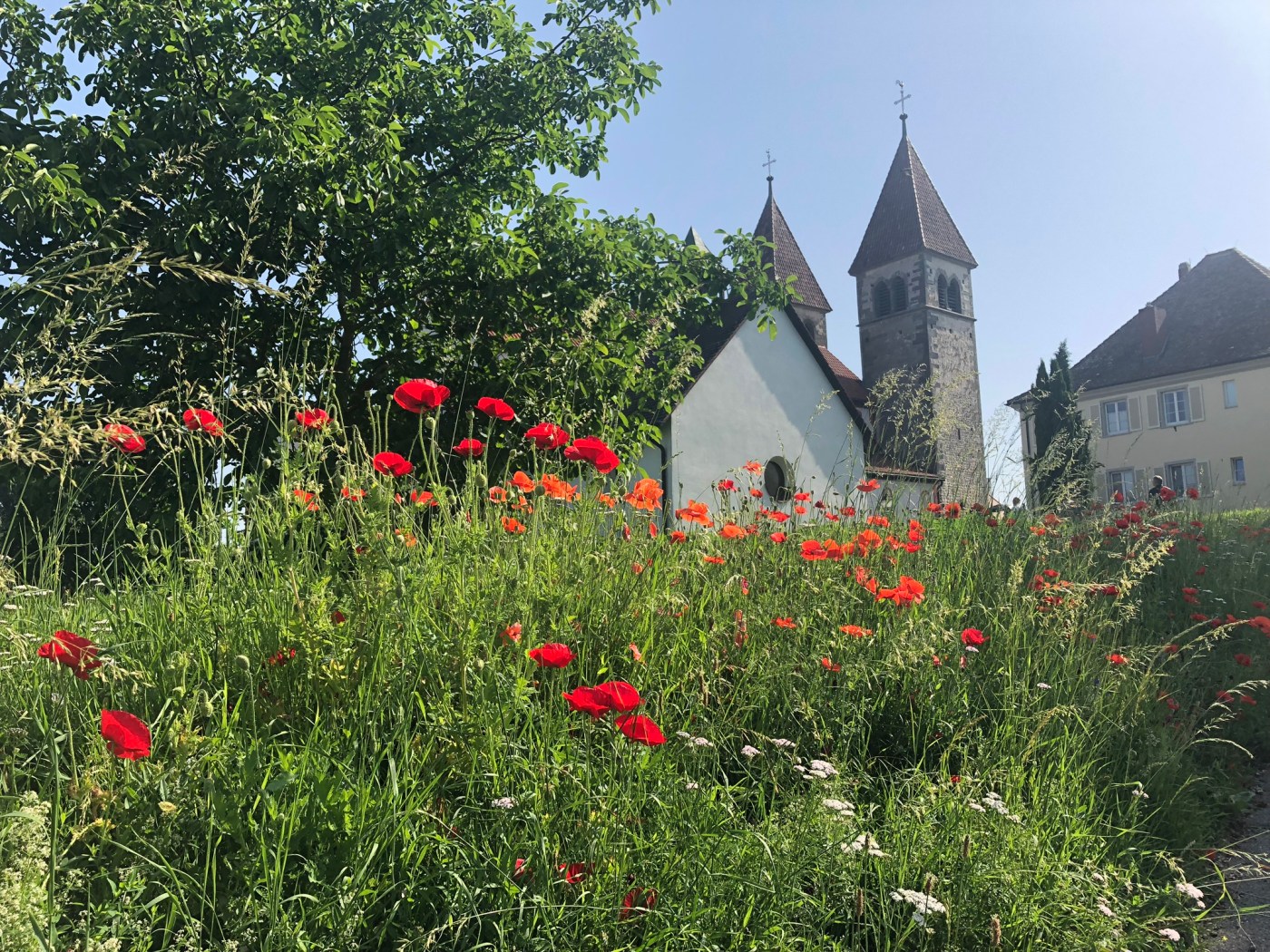
Reichenau Island at Lake Constance: Benedictine Pilgrimage, Part 13

Wednesday, June 26—Reichenau Island, Meersburg, Constance

Today we visit the beautiful and historic monastery island of Reichenau in Lake Constance, a quick stop in Meersburg, and a chance in the evening to do some exploring in Constance where we stay again for another night.

IMG_5922IMG_6029

Reichenau Island is one of 31 important sites in Germany that are on the UNESCO World Heritage List, a testimony to the religious and cultural role of this large Benedictine monastery of the Middle Ages. The Benedictine monastery was founded in 724, by Bishop Pirmin, considered to be the first abbot of Reichenau Monastery. The Monastery served as an imperial abbey during the Carolingian Empire, with special allegiance to the king, serving as Europe’s premier educational and training center. Continue reading “Reichenau Island at Lake Constance: Benedictine Pilgrimage, Part 13”

Happy Feast Day of St. Boniface!!

Happy Feast Day of St. Boniface, the “Apostle of the Germans” and patron saint of Germany!

“In her voyage across the ocean of this world, the Church is like a great ship being pounded by the waves of life’s different stresses. Our duty is not to abandon ship but to keep her on her course.”― Saint Boniface

June 5 is the feast of St. Boniface, the English Benedictine monk who planted Christianity and Benedictine spirituality in Germany. Boniface was first a Benedictine monk and later commissioned by Pope Gregory II in the 8th century to preach the gospel in Germany. For 35 years he did missionary work in various parts of Germany and was consecrated as Bishop of Germany in 722. Later he served as the Archbishop of Mainz, having founded the dioceses of Wurzburg and Erfurt. His efforts went to ensure that political authorities and rulers were committed to Christianity.

IMG_6803
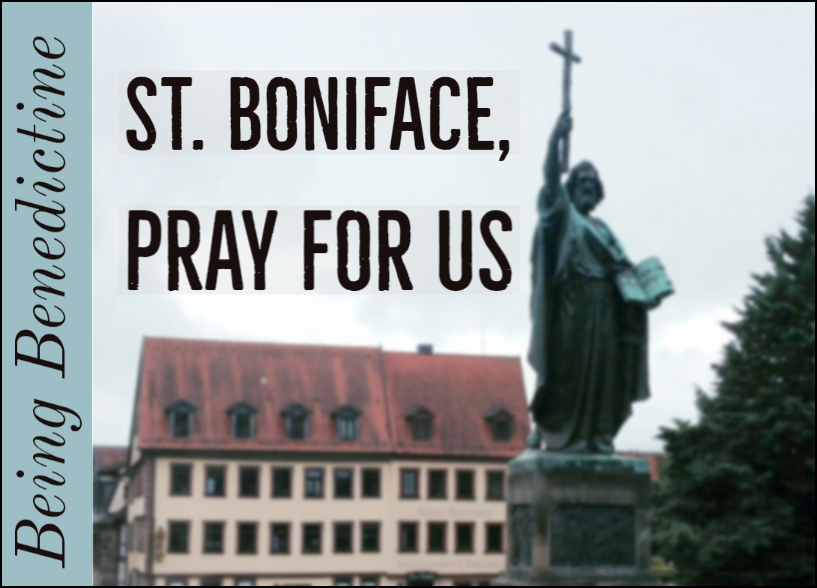
St. Boniface statue outside of the Mainz Cathedral. Visited on Benedictine Pilgrimage, June 2019.

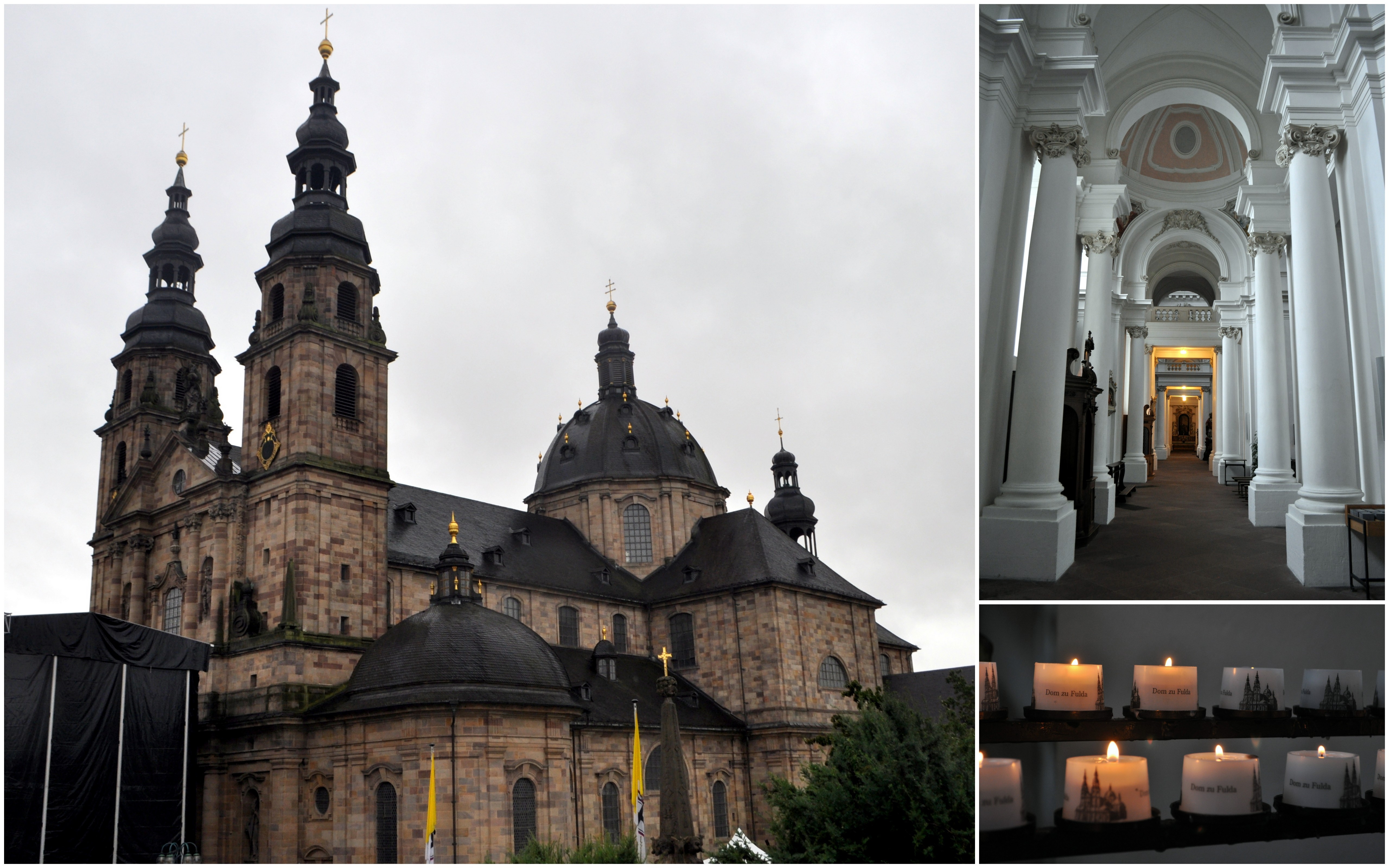
Fulda collage
St. Boniface Cathedral in Fulda, Germany.

He traveled to many churches to encourage them, but his mission to Frisia, which resulted in many conversions, ultimately led to his martyrdom. His relics were brought to Fulda where a monastery founded in 744 served as a base for his missionary work. Continue reading “Happy Feast Day of St. Boniface!!”

The Future Is The Spirit’s Work

Benedictine Oblates have a commitment to a specific monastery to live out their spirituality in the world according to the Rule of St. Benedict. But what is the future of Benedictine monasticism?  As monastic vocations decrease, monasteries have been forced to consider their future, either merging with other monasteries or closing altogether. How might Oblates respond to this uncertain future?

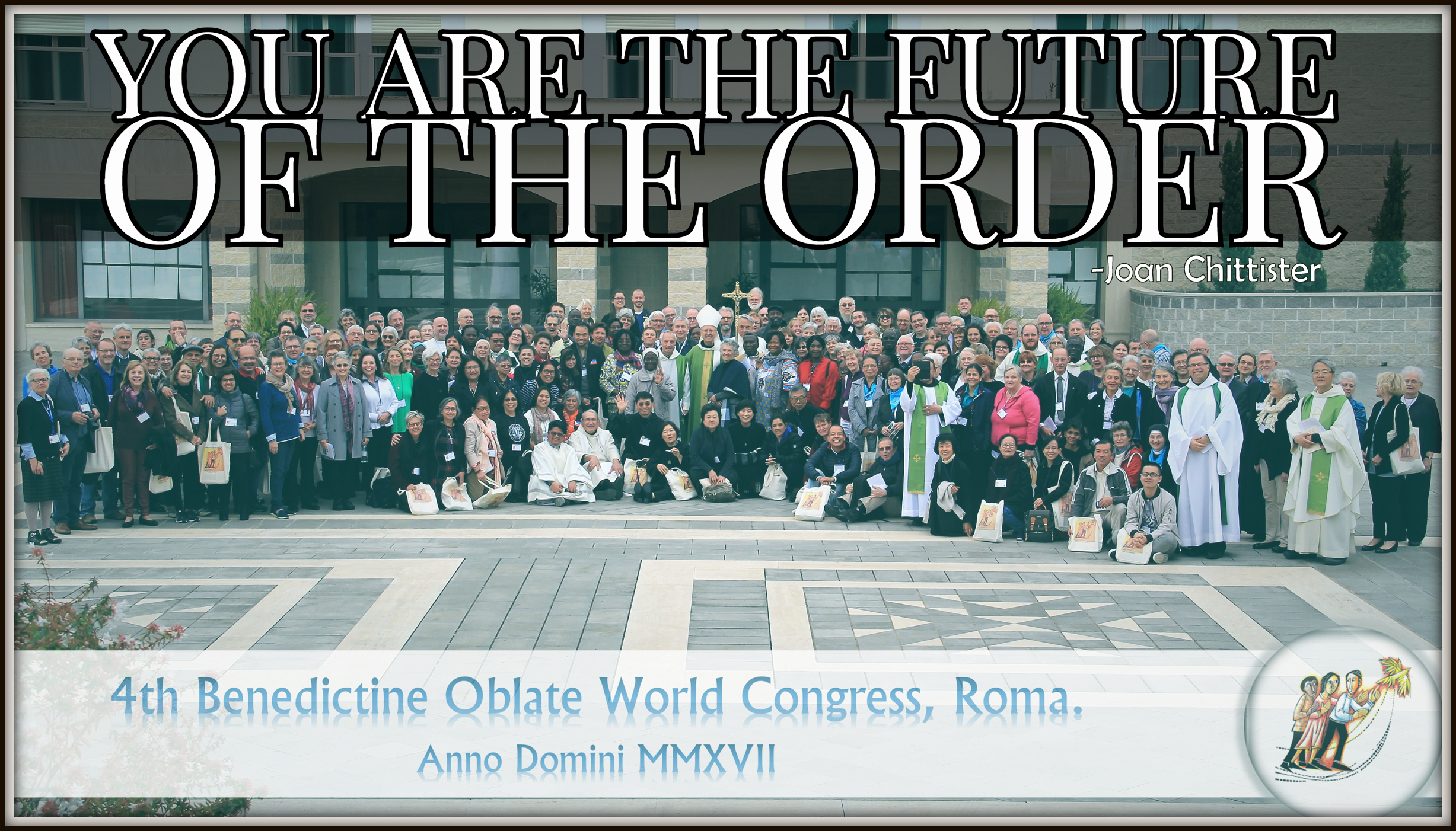
future of the order.jpg

Sister Joan Chittister addressed this theme at the World Congress of Benedictine Oblates in Rome in November 2017. She asks, “The question of the day is a simple one but potentially life-changing one: the question is why would anyone even bother to get attached to a Benedictine monastery?”

Fr. Joel Macul, Prior of Christ the King Priory, also addressed the future of Benedictine Oblates at the Benedictine Oblates Regional Conference at St. Benedict Center held in September 2018.

He begins: “We can ask ourselves why we are raising this question or topic in the first place. What prompts us to raise it? It is certainly not because the Oblate community is diminishing! Is it because the some of the communities to which Oblates belong are diminishing and Oblates might be left high and dry? Or perhaps it is a concern about Oblate communities in lands where Benedictine life is new, communities are young and the Oblate experience has no precedence? Or is there something about our culture, our American culture that makes the question of the future so important?

Joels message spirit.JPG

While I do not consider myself a prophet in the sense of predicting a future for Benedictine life let alone Oblate life, I can fall back on the Prophet Joel.  The best future I can invite you to consider is to listen to the word of God through the prophet Joel who simply says: “It shall come to pass (code words for the future) I will pour out my spirit on all flesh…” It is clear enough. The future lies with the Spirit and our willingness and readiness to recognize its presence. According to the prophet, old and young, sons and daughters, male and female, servants and slaves will receive this gift of the spirit. The Spirit is God’s future or plan. When we can trust that Spirit, we are standing in God. And being in God is the future for ourselves, as well as humanity and our created world. If we co-opt God’s Spirit or start writing God’s plan, then theologically, we have no future. Any threads of the future will have to have the deep and inexhaustible richness of color of the Spirit. The future of anything Christian, including the Benedictine monastic way, lies with the Spirit. It is assumed that the Benedictine way is itself a gift of the Spirit and so holds within it the Spirit’s creative power. Continue reading “The Future Is The Spirit’s Work”

Blog at WordPress.com.

Up ↑