Search

Being Benedictine

Living SoulFully as an Oblate of St. Benedict

Tag

Pilgrimage

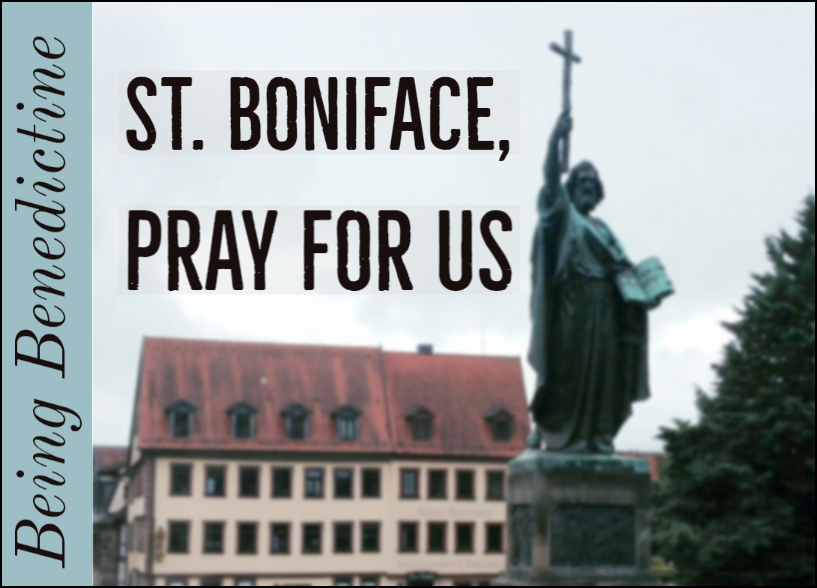
Happy Feast Day of St. Boniface!!

Happy Feast Day of St. Boniface, the “Apostle of the Germans” and patron saint of Germany!

“In her voyage across the ocean of this world, the Church is like a great ship being pounded by the waves of life’s different stresses. Our duty is not to abandon ship but to keep her on her course.”― Saint Boniface

June 5 is the feast of St. Boniface, the English Benedictine monk who planted Christianity and Benedictine spirituality in Germany. Boniface was first a Benedictine monk and later commissioned by Pope Gregory II in the 8th century to preach the gospel in Germany. For 35 years he did missionary work in various parts of Germany and was consecrated as Bishop of Germany in 722. Later he served as the Archbishop of Mainz, having founded the dioceses of Wurzburg and Erfurt. His efforts went to ensure that political authorities and rulers were committed to Christianity.

IMG_6803
St. Boniface statue outside of the Mainz Cathedral. Visited on Benedictine Pilgrimage, June 2019.
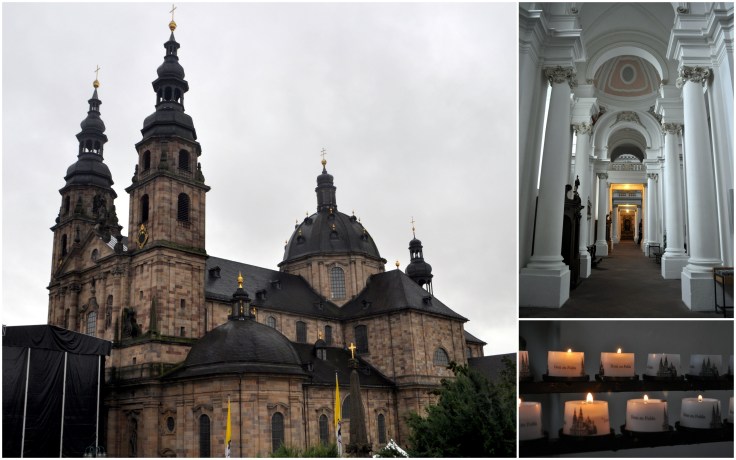
Fulda collage
St. Boniface Cathedral in Fulda, Germany.

He traveled to many churches to encourage them, but his mission to Frisia, which resulted in many conversions, ultimately led to his martyrdom. His relics were brought to Fulda where a monastery founded in 744 served as a base for his missionary work. Continue reading “Happy Feast Day of St. Boniface!!”

Home Is The Nicest Word There Is

Home is where the heart is.

Home is not a place, it’s a feeling.

A house is made of walls and beams, a home is built with love and dreams.

(And, of course) Home sweet home.

home is the nicest

Platitudes? Perhaps. But what may seem overly sentimental is what we yearn for in a home—a place of comfort, expression, warmth, understanding, love, hope, and shelter. An ideal home is a refuge, a haven, a sanctuary that provides safety and protection, a shelter in more ways than one. Our home can be an expression of our personality and values. We bring our whole self into a house and make it a home.

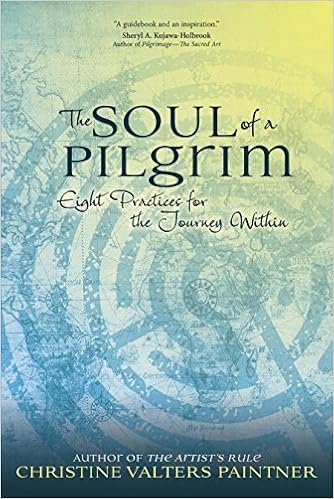
On day 50-something of “sheltering at home,” I am grateful for the roof over our head and all that our home provides us. Our current home is the result of “packing lightly” and “crossing the threshold”, themes from The Soul of a Pilgrim by Christine Valters Paintner.

“The journey of pilgrimage is about returning home with a new awareness of what home really means.”—The Soul of a Pilgrim

The Soul of a Pilgrim: Eight Practices for the Journey Within ...

Five years ago, my husband and I put our house up for sale with no idea what we were going to do when it sold. It was an adventure—kind of exciting, a little scary, but certainly a threshold opportunity to see what our next step would be. We went through a process of considering what we really needed, what we would keep, what would be given away or sold, what might be tucked away in storage until we knew more decisively what we would do.

Some essential questions to consider in “The Practice of Packing Lightly” are: What would create more lightness in your life? What can you let go of to pack more lightly?

We knew the home we had lived in for nine years was not the place we wanted to be forever. Coming to that decision did not happen overnight. We had tossed it around, tabled it, brought it back up…but finally decided that we had been standing at the threshold of this decision for far too long. For us it came down to two issues: we did not need as much space or stuff and we wanted to have more free time to spend on things we loved, not just working on, or thinking about, household projects.

It felt right to let go of an attachment to our house and our things to see what might be in store for us. We were brought to a threshold, a clearing out of the old, and were ready to move into the uncertainty that lied ahead.

A voice comes to your soul saying,

Lift your foot. Cross over.

Move into emptiness of question and answer and question.

—Rumi, The Glance

witnessA
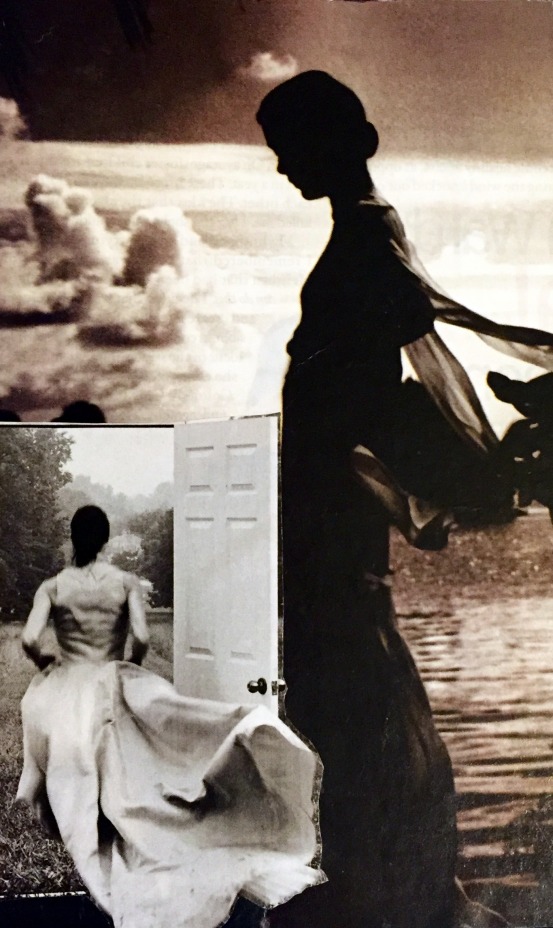
Card Name: Witness    I am one who is Witness to self.
I am one who stands tall
Upright, resilient, longsuffering
Despite winds of change.
I am one who, with the pace of a praying monk,
Glides gently through breeze and shadow, clouds and sea.
I stand centered
I move with purpose
I am one who is Witness to self
It is time
The door is open.

“The LORD said to Abram: Go forth from your land, your relatives, and from your father’s house to a land that I WILL show you. I WILL make of you a great nation, and I WILL bless you; I WILL make your name great, so that you WILL be a blessing.”—Genesis 12:1-3

In the story of Abram and Sarai (Genesis 12:1-9; The Soul of a Pilgrim, Chapter 2), they are guided to a new life in an unknown and distant land. When practicing Lectio Divina with this story, I imagine the couple had a sense of loss at leaving their familiar home, but that they also desired an adventure, something new. Despite mixed feelings, they were open to hearing the blessings God promised, they trusted God’s will. Continue reading “Home Is The Nicest Word There Is”

Naked Before God

Just one year ago, I started reading “The Soul of a Pilgrim” by Christine Valters Painter in preparation for a trip to visit family in Germany and to go on a Benedictine pilgrimage to Germany, Austria, and Switzerland.

IMG_2611
Kloster Benedicktbeuren, Germany

“When we take inward and outward journeys, we can be pilgrims as long as we stay open to new experiences.”—Christine Valters Paintner, The Soul of a Pilgrim

If we are “attentive to the divine at work in our lives through deep listening, patience, (and) opening ourselves to the gifts that arise in the midst of discomfort” (Paintner), we are on pilgrimage. A pilgrimage may be intentional or not: becoming a new parent, losing a loved one, resolving a relationship conflict, or going on a spiritual retreat can be a pilgrimage if one seeks to learn, reflect and be transformed from the experience. Our life itself is a pilgrimage.

42835117_10217180141525986_7097025421861978112_o
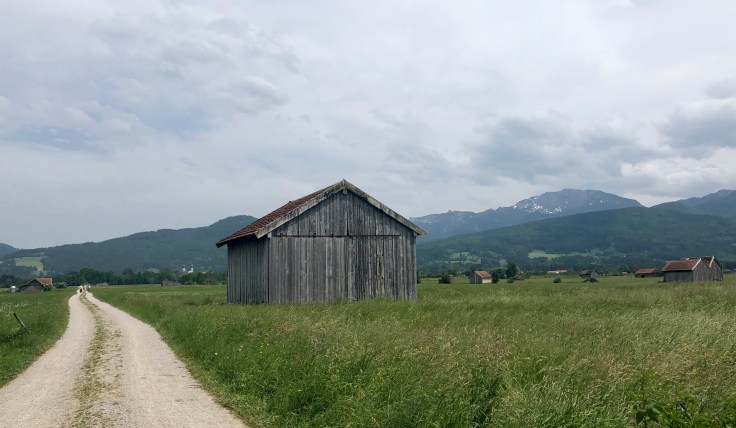
Bohemian Alps, Nebraska

The cousin I visited in Germany was planning a pilgrimage of his own this summer. Jefferey and his wife, Sabine, were planning to visit Nebraska for the first time. I was excited to show him the Bohemian Alps, where his father (my uncle) grew up, the village where he went to school and to introduce him to family he has never met. Instead, Nebraska, Germany, and countries all over the world are on a different kind of pilgrimage altogether—the coronavirus pandemic. Instead of planning or hosting trips, we are staying put.

DSC_0476a
Spring came on time, pandemic or not.

The pandemic transformed our world in an instant, personally and collectively—how, where and if we work has changed; how students are learning is different; the economy, health care, personal finances, shopping and travel no longer look like they used to. There is nothing that hasn’t been impacted by the pandemic.

Although each of us is affected differently, we are all on a pilgrimage, not of our own choosing, but from circumstances unimaginable just a few months ago. Still, we can “make the choice for the journey to become meaningful and soulful.” (Painter) We can choose this time as an opportunity to become more aware of who we are and who we want to be.

DSC_0517a
Despite the early spring flowers, Nebraska had an April snowstorm.

I have returned to “The Soul of a Pilgrim,” for insight, re-reading the book and also participating in an online retreat with the Abbey of the Arts, to navigate this pilgrimage of uncertainty and its library of emotions, as Mary Pipher calls it. I go from gratitude to grief in short order. I am both content and irritable, joyful and disappointed, trusting and afraid. In this smaller world of “stay at home”, I have a heightened awareness of the little things, both the beauty and the idiosyncrasies. More hours alone together in our home, my husband and I brush up against each other with all our uncertainty, anxiety, and fear, but also gratitude and joy. We have a lot of fun but can also get on each other’s nerves. We are a bundle of contradictions now more than ever. Continue reading “Naked Before God”

Praying with the Stations of the Cross

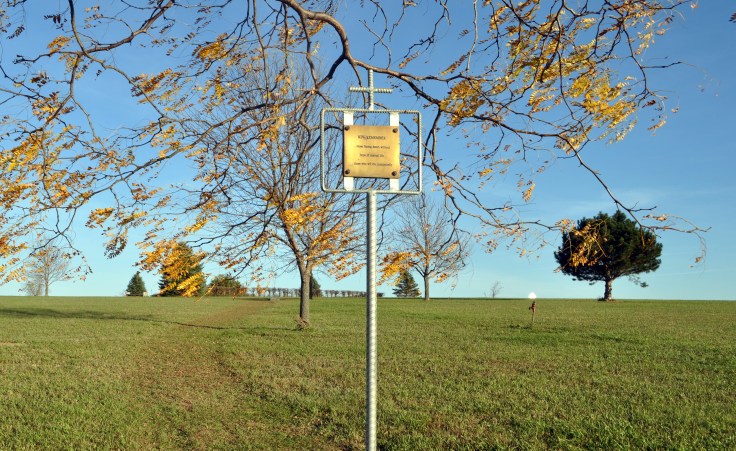
Amidst 160 acres of farmland in Nebraska at St. Benedict Center, there is a contemplative prayer journey that focuses on the events of Jesus’ last day. The Stations of the Cross is a mini-pilgrimage to contemplate the Passion of Christ. At each pause or station on the journey, a prayer is offered to remember the sufferings and struggles of all.
DSC_0203a

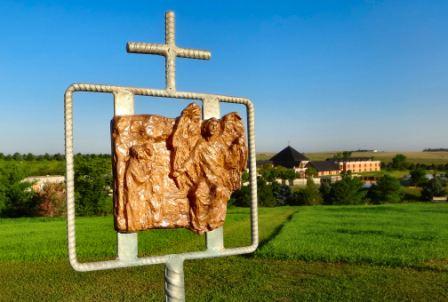
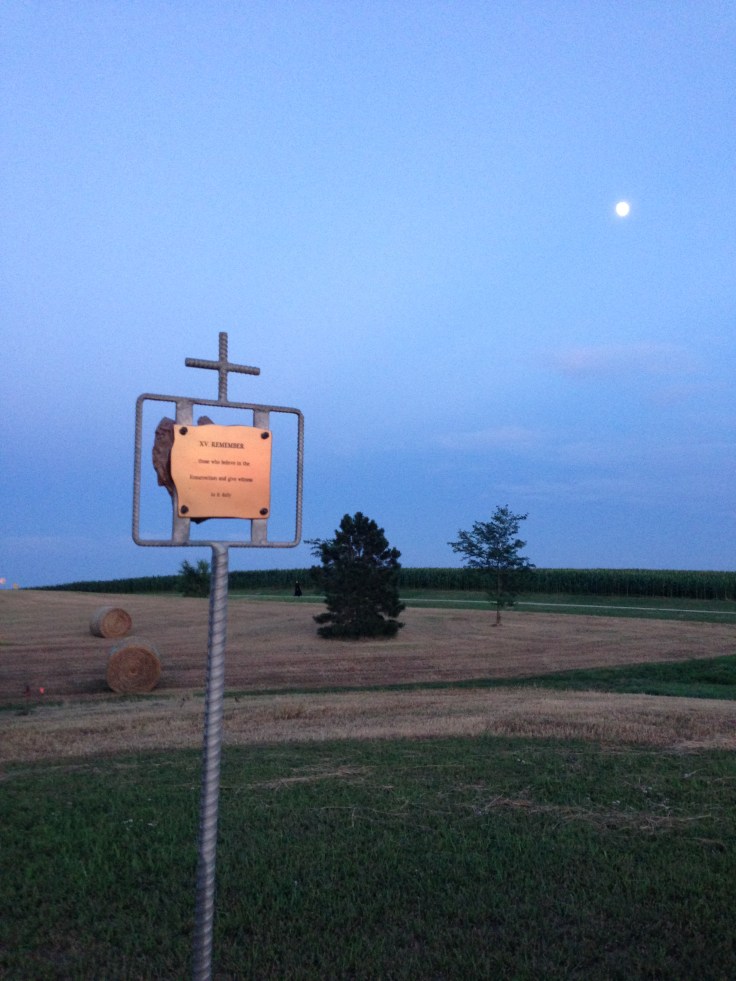
Traditionally there are 14 images and events that are commemorated, but at St. Benedict Center there is one additional station. Ascending a small hill, a fifteenth station appears marking the resurrection of Christ and the joy of Easter. The artist of each of the station markers is Lore Friedrich of Münsterschwarzach, Germany.

May you be blessed by praying with the arts and taking the Way of the Cross.

“The Stations of the Cross are not given to us only to remind us of the historical Passion of Christ, but to show us what is happening now, and happening to each one of us.  Christ did not become man only to lead his own short life on Earth – unimaginable mercy though that would have been – but to live each of our lives.  He did not choose his Passion only to suffer it in his own human nature – tremendous though that would have been – but in order to suffer it in the suffering of each one of his members through all ages, until the end of time.” –Caryll Houselander

1 (2)

Station 1: Jesus is Condemned to Death
Pilate: “I am innocent of this man’s blood. It is your concern.” -Mt 27:24
Remember
…those condemned unjustly
…those sentenced by members of governments and society because of their faith.
2 Easter

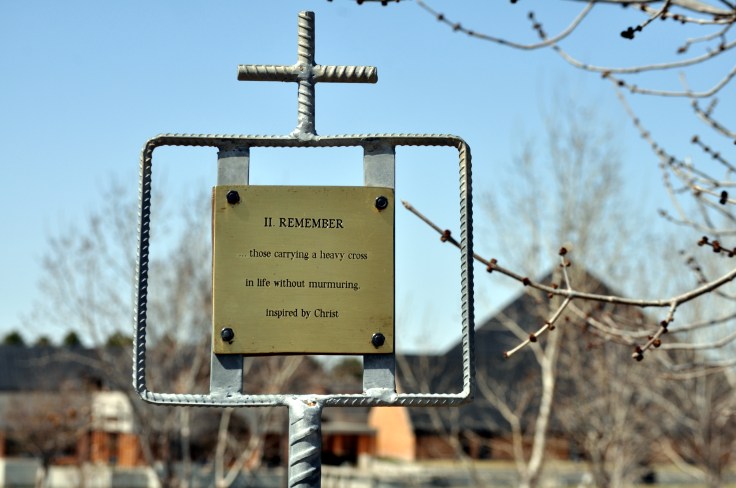
Station 2: Jesus Bears His Cross
Jesus: “Shoulder my yoke and learn from me…and you will find rest for your souls.” Mt 11:28
Remember those carrying a heavy cross in life without murmuring, inspired by Christ.

Station 3: Jesus Falls the First Time
Psalmist: “I was pressed, pressed, about to fall, but Yahweh came to my help.” -Ps 118:13
Remember those breaking down under the weight of their failures, and fall.
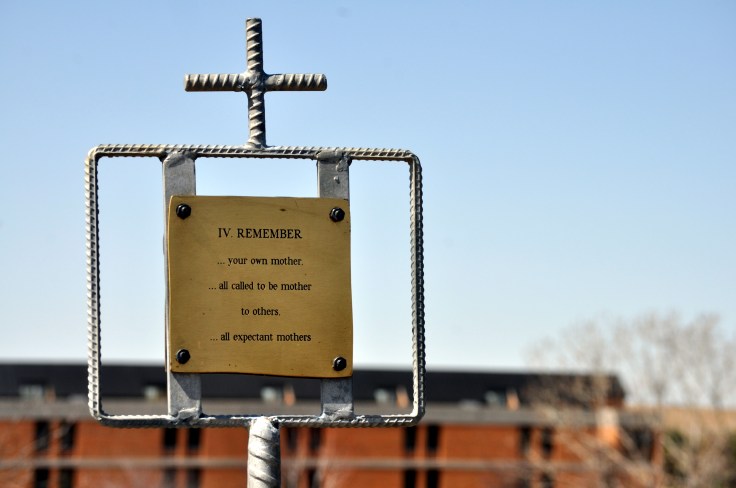
4 EasterStation 4: Jesus Meets His Mother
Jesus: “Anyone who does the will of my Father in heaven, is my brother and sister and mother.” -Mt 12:50
Remember
…your own mother
…all called to be mother to others
…all expectant mothers

“One of the oldest devotions in Christianity, the Stations of the Cross, attests to the ongoing human effort to understand the place of suffering in the human’s search for resurrection from death to life that is part and parcel of what it means to be alive and grow and become our best selves as we go.”—The Way of the Cross, Joan Chittister

Station 5: Jesus Is Helped by Simon
Matthew: “A man from Cyrene, Simon by name, was forced to carry his cross.” -Mt 27:32
Remember
…those who assist others in life without being recognized
…those who give of themselves that other’s burdens are lightened.

A collage

Station 6: Jesus and Veronica
Jesus: “What you did for the least of my brothers, you did it for me.” -Mt 25:40
Remember
…those reaching out to the marginalized of society.
…those helping AIDS victims, prisoners, minorities.

7 easter

Station 7: Jesus Falls a Second Time
Jesus: “If anyone wants to be my follower…let him take up his cross and follow me.” -Mt 16:24
Remember those who lack the courage and strength to overcome addictions, personal shortcomings, sinfulness, and find themselves back in their old habits and behavior.
7stations

Station 8: Jesus Speaks to the Women
Jesus: “Daughter of Jerusalem, do not weep for me; weep for yourselves and for your children.” -Lk 23:28
Remember
…families who are struggling with any kind of difficulties and problems
…women oppressed by society, Church, work force, spouses…

9a

Station 9: Jesus Falls the Third Time
Paul: “The Lord says: My grace is enough for you; my power is at its best in weakness.” -2 Cor 12:9
Remember those who have given up and see no purpose and meaning in life.

DSC_0421

Station 10: He is Stripped of His Garments
Psalmist: “They shared out my clothing among them, they cast lots for my clothes.” -Ps 22: 18
Remember those sisters and brothers stripped of their dignity.

11 easter

Station 11: Jesus is Nailed to the Cross
Jesus: “Father, forgive them: they do not know what they are doing.” -Lk 23:34
Remember those who find themselves trapped in difficult situations and see no way out.

DSC_0680

12 easterStation 12: Jesus Dies on the Cross
Jesus: “It is accomplished” and bowing his head he gave up his spirit. -Jn 19:30
Remember
…the lonely
…the dying
…those who have no one to be within their final hours of life’s journey.
13 easter

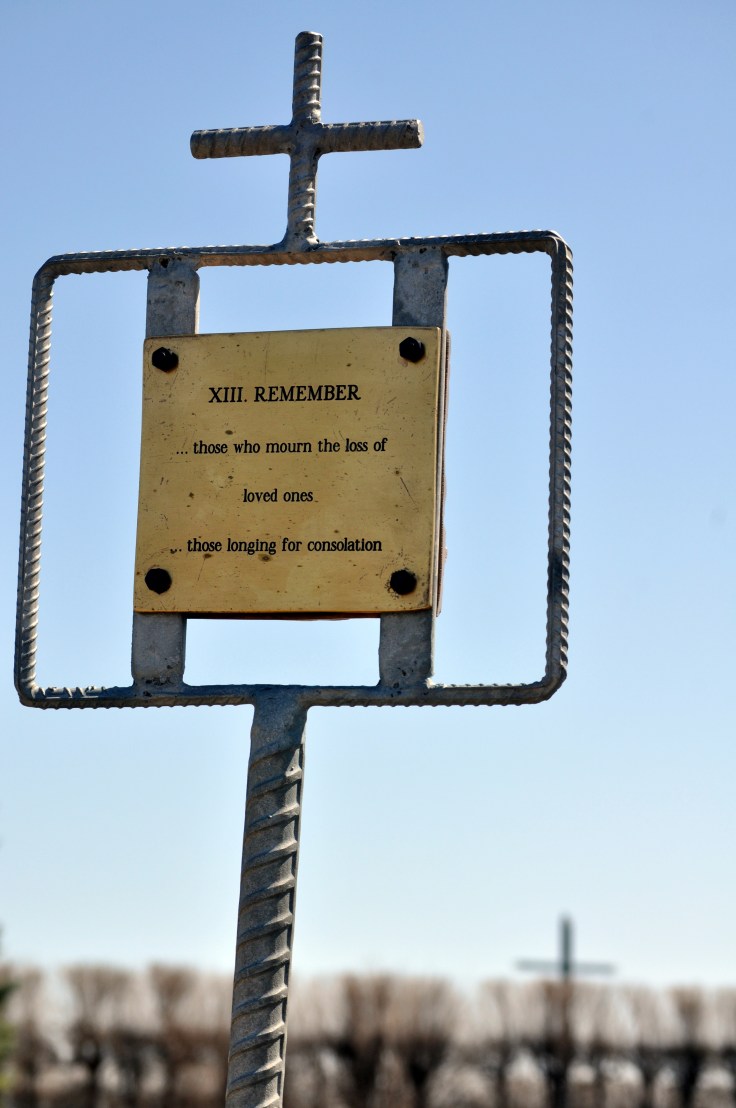
Station 13: Jesus is Taken Down from the Cross
Jesus: “The one who stands firm to the end will be saved.” -Mt 10:22
Remember
…those who mourn the loss of loved ones
…those longing for consolation


Station 14: Jesus is Laid in the Tomb
Jesus: “I tell you, most solemnly, unless a wheat grain falls on the ground and dies, it remains only a single grain; but if it dies, it yields a rich harvest.” Jn 12:24
Remember
…those facing death without hope of eternal life
…those who will die unexpectedly
15

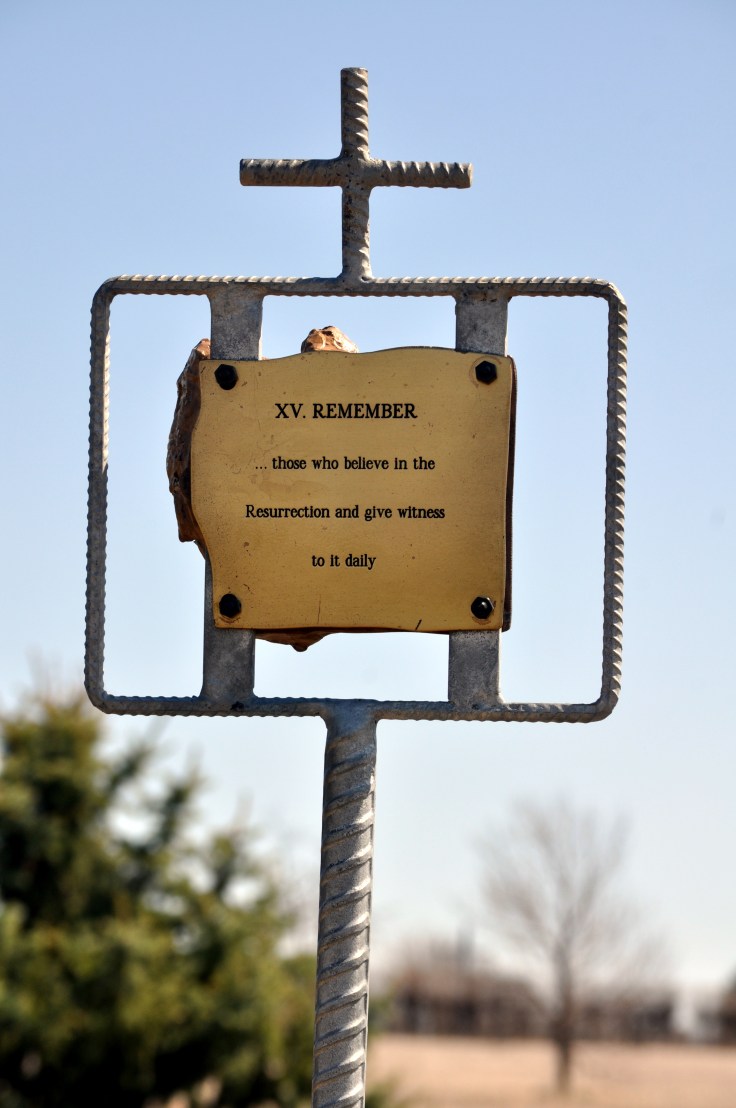
Station 15: Jesus is Raised from the Dead
Angel: “He is not here: he is risen. Remember what he told you when he was still in Galilee.” Lk 24:6
Remember those who believe in the Resurrection and give witness to it daily.
15 distance

Pictures are worth a thousand words

Images are powerful. They conjure up feelings, memories, and ideas. They tell stories. They stand for something.

A brandmark or logo conveys the identity of a business that is easily recognized without the need for words. Businesses spend a ton of money developing their brand identity, but we don’t need the business world’s affirmation of the power of images. We already know it. We know it in our soul.

soul-picture

Continue reading “Pictures are worth a thousand words”

Return to Pilgrimage: Switzerland! Part 11

It’s been almost five months since I shared my last pilgrimage post about taking a day of rest in St. Johann, Austria (written also on a day of rest.) So, after a long rest from writing, it is with humility and humor that I attempt to finish the reflections I started many months ago.

To refresh my rested memory, I re-read the ten Benedictine Pilgrimage Reflections previously shared. I remembered anew some of the special experiences and insights that motivated me to share last summer. For that reason, it is important for me to finish what I start—to continue to reflect on what the pilgrimage meant for me and other pilgrims and to document the memories made. Continue reading “Return to Pilgrimage: Switzerland! Part 11”

Always Room for Dessert: A Benedictine Pilgrimage, Part 8

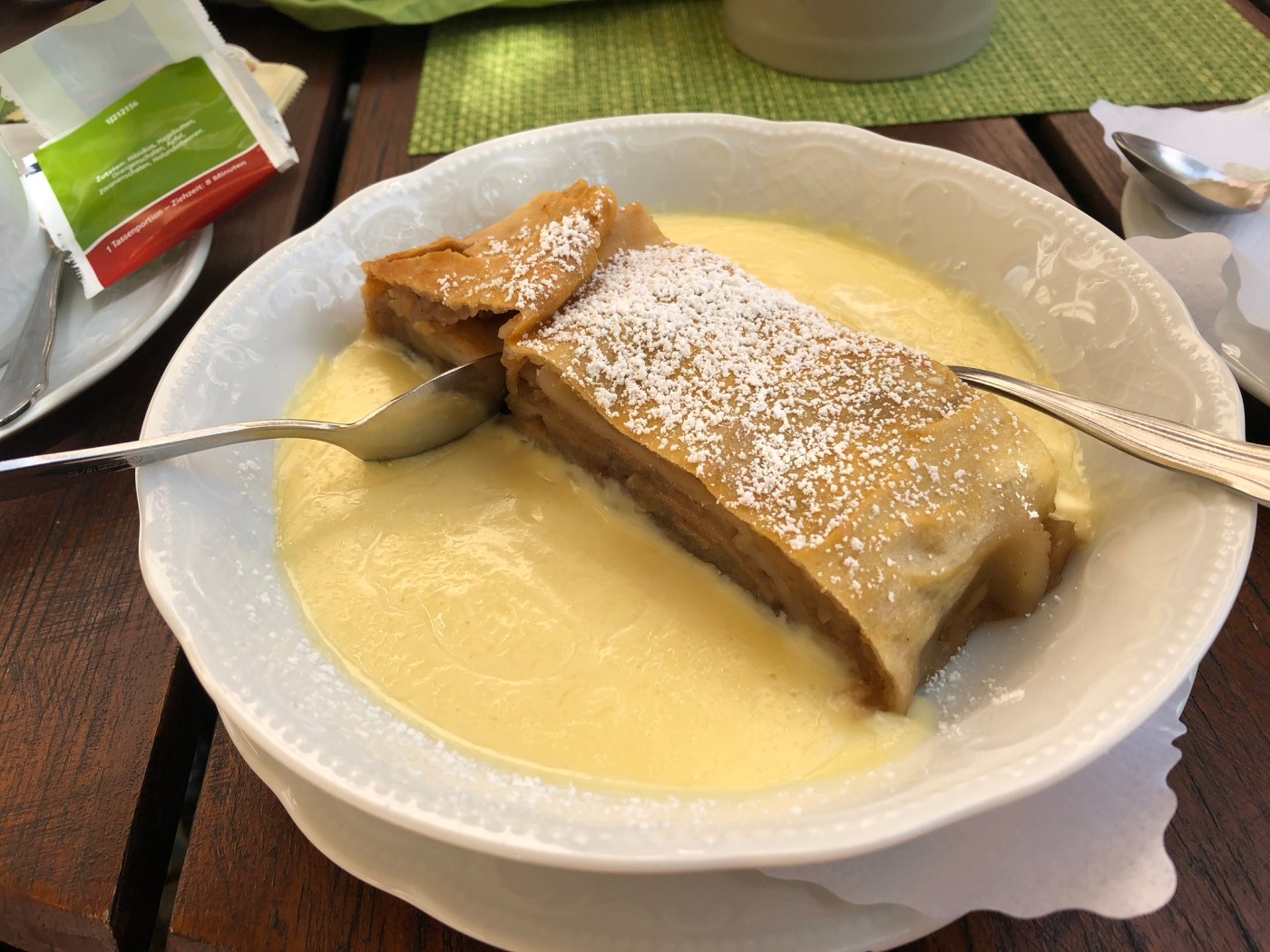
It’s been a month since my last pilgrimage post...no, I did not forget about the second half of our pilgrimage! We have NINE days left to journey!

But life happened here in Nebraska—school started with a week of teacher planning days, our daughter, Jessica, came home for two weeks, her boyfriend came to visit for several days, I had the first few weeks of school with students, we celebrated the wedding of dear friends, helped Jessica move to Madison, Wisconsin, had more weeks of school….and, you get the point. I need another pilgrimage. 🙂 

IMG_4150

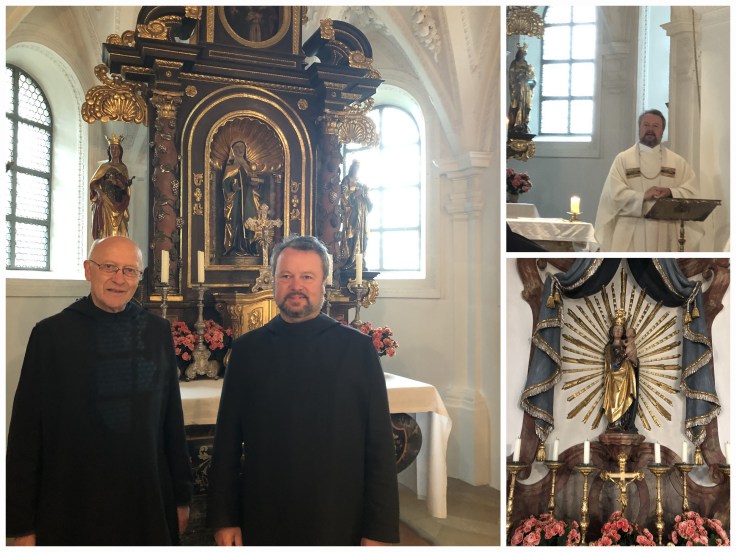
Friday, June 21 —Our stay at St. Ottilien ended with Mass in the chapel with Fr. Volker Futter and Fr. Anastasius Gunter Reiser, who spent several months at Christ the King Priory in Schuyler last year.  St. Otillien Congregation of Missionary Benedictines is the motherhouse of Münsterschwarzach Abbey and the Missionary Benedictine Sisters of Tutzing.

7 St1

In 1884 Andreas Amrhein, formerly a Benedictine from Beuron Archabbey (that I visited with my cousin Jefferey), had a vision of combining the Benedictine way of life—following the Rule of St. Benedict, practicing hospitality and promising stability, obedience and conversion of life—while also serving as missionaries. In 1887 the community settled in Emming at an existing chapel called St. Ottilia, and the congregation took the same name. Continue reading “Always Room for Dessert: A Benedictine Pilgrimage, Part 8”

The Meaning of Rituals: A Benedictine Pilgrimage, Part 7

This is what rituals are for. We do spiritual ceremonies as human beings in order to create a safe resting place for our most complicated feelings of joy or trauma, so that we don’t have to haul those feelings around with us forever, weighing us down. We all need such places of ritual safekeeping. And I do believe that if your culture or tradition doesn’t have the specific ritual you are craving, then you are absolutely permitted to make up a ceremony of your own devising, fixing your own broken-down emotional systems with all the do-it-yourself resourcefulness of a generous plumber/poet.” ― Elizabeth Gilbert, Eat, Pray, Love

IMG_4210

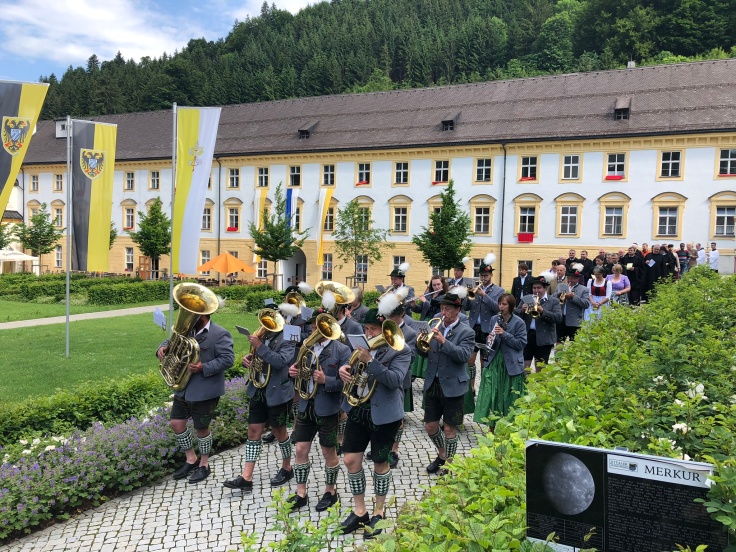
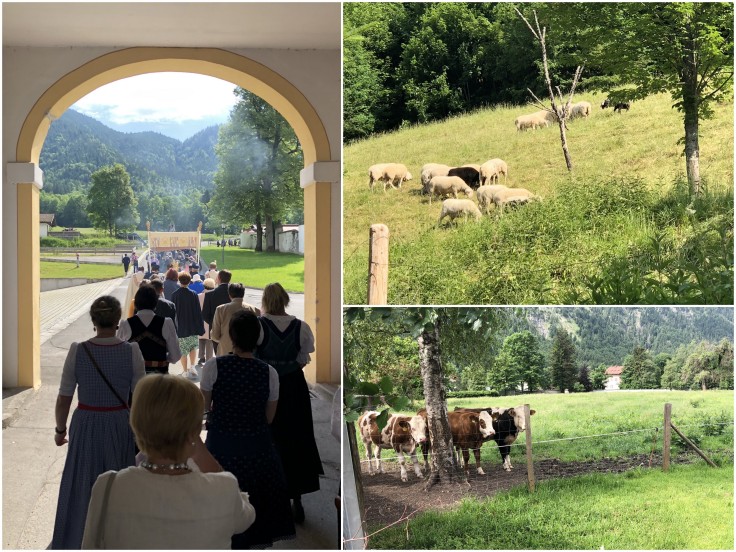
Thursday, June 20One of the highlights of the pilgrimage was a visit to Ettal Abbey, founded in 1330 by Emperor Ludwig the Bavarian, for the procession celebrating the feast of Corpus Christi, a ritual dating back to 13th century Italy. The procession of parishioners, visitors, musicians, and clergy started after Mass by leaving the chapel and threading its way through abbey grounds, flower gardens and nearby pastures of sheep and cows. There was something so sacred about the singing, chanting, the aroma of incense, the sound of the sheep bells clanging as they walked or bent to eat. Not understanding hardly any words, there was still a deeper understanding that there was something holy happening here. The meditative walking and liturgical pauses along the way, a pilgrimage of sorts, were hints that this ritual pointed to something much more.

8 Wies Oberammergau Ettal

The Corpus Christi procession is a Catholic ritual, one of the hundreds that are celebrated during the liturgical calendar, but rituals can also be created by oneself or in small communities and groups to help commemorate or honor a special experience. Thomas Merton wrote that a ritual is “imbued with the beloved’s presence.”  James Finley, in Thomas Merton’s Path to the Palace of Nowhere: The Essential Guide to the Contemplative Teachings of Thomas Merton, notes that “we need a holy place or thing to awaken us to the holiness of everything.” Rituals convey a sense of the spiritual and holy, if not during the ritual, oftentimes later when one is reflecting and remembering. Rituals connect us to something more than ourselves, not just with our intellect, but through our senses, our heart, and soul. Rituals are packed with divine meaning. (Read Fr. Mauritius Wilde’s ritual of embracing the cross as an example.) Continue reading “The Meaning of Rituals: A Benedictine Pilgrimage, Part 7”

Pilgrims Are Not Just Tourists: A Benedictine Pilgrimage, Part 5

“A tourist has new experiences, but remains the same person. A pilgrim experiences new places and is transformed by them.” —Christine Valters Paintner, The Soul of a Pilgrim: Eight Practices for the Journey Within

pilgrim tourist
Photo: Bamberg Cathedral

Being a tourist is a lot different than being a pilgrim. We even prayed about it in our opening Mass. Being a pilgrim has some responsibility that goes with it—to extend hospitality and to practice humility and patience. We have been duly warned.

This experience is not just about sight-seeing. We don’t experience events and then move on. There is a river flowing beneath our lived experience, where we are feeling, processing, and reflecting. What we feel about or interpret an experience today may change tomorrow. This pilgrimage—the visiting of churches, monasteries, and historical sights—is just one level, but the pilgrimage within is the real experience.

The momentum of the inner pilgrimage, the current of the river beneath, moves in its own time. The outer pilgrimage is on a schedule. The inner pilgrimage is our spiritual experience; we process what has happened with people and places, looking through the lens of the Divine. The lens through which we see is the decisive factor in how the outer pilgrimage impacts our life. Evidence: I thought I would whip out a four-part blog series about the pilgrimage, but it’s taken longer than I expected. I’m on kairos time that cannot be rushed.

IMG_3674.JPEG
Bamberg Cathedral

But here we go…the first FULL day! (and it is full!)

Tuesday, June 18We celebrate Mass in the morning at Kloster Banz, a former Benedictine monastery founded in 1070, now known as Banz Castle. In the second half of the 18th century, Banz Abbey was known throughout the Holy Roman Empire as a place of Catholic enlightenment and for the scholarship of its monks. This did not save it from secularization and dissolution in 1803. Today it serves as a parish church. The Abbey is not what it once was, but it continues in another way.

4 Abbey of Banz

IMG_3573.JPEG

5 Abbey of Banz.jpg

Continue reading “Pilgrims Are Not Just Tourists: A Benedictine Pilgrimage, Part 5”

Blog at WordPress.com.

Up ↑