Search

Being Benedictine

Living SoulFully as an Oblate of St. Benedict

Tag

surrender

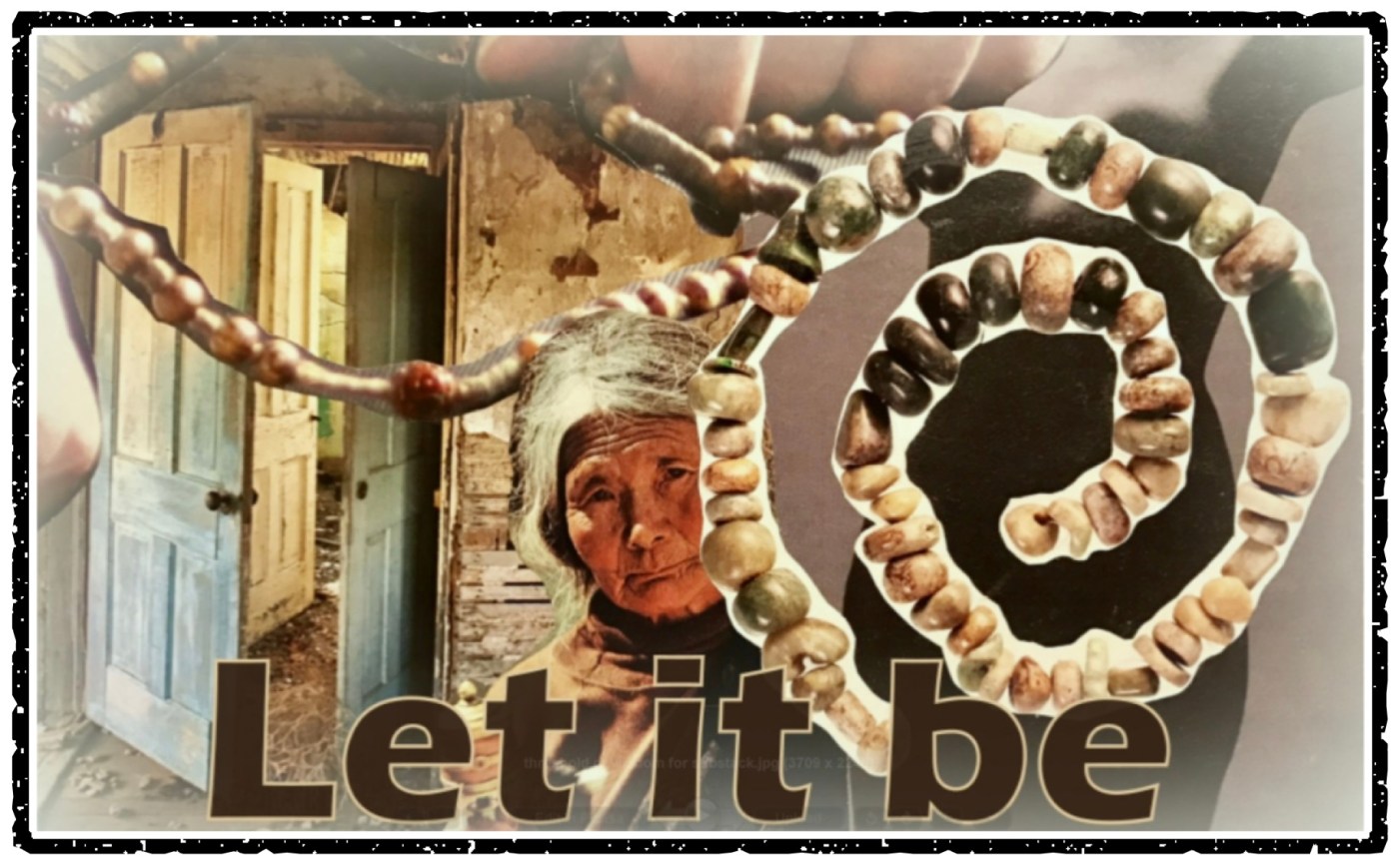
Let it Be… and a little more light, please. (2026 Word of the Year)

In the tradition of ancient monastics, each year I ask for a word to ponder, a word that I will prayerfully focus my attention on for the new year.  It may be something I hope for or an attribute I want to cultivate in my life, but always for the surprise of what it might teach me, lessons I did not know needed to be learned.

The new word does not replace the old one, but enfolds, envelops, and encompasses it, another revolution on the spiral of my spiritual journey. As I reflect on the last several Words of the Year, this is still my truth: I want to hold all of life fully (2024)—the bittersweet moments and the sweet surprises, with “eyes open to wonder (2023), holy surprises, and synchronicity.” I want to see the light (2025) in the darkness. I want to be the light in the darkness.

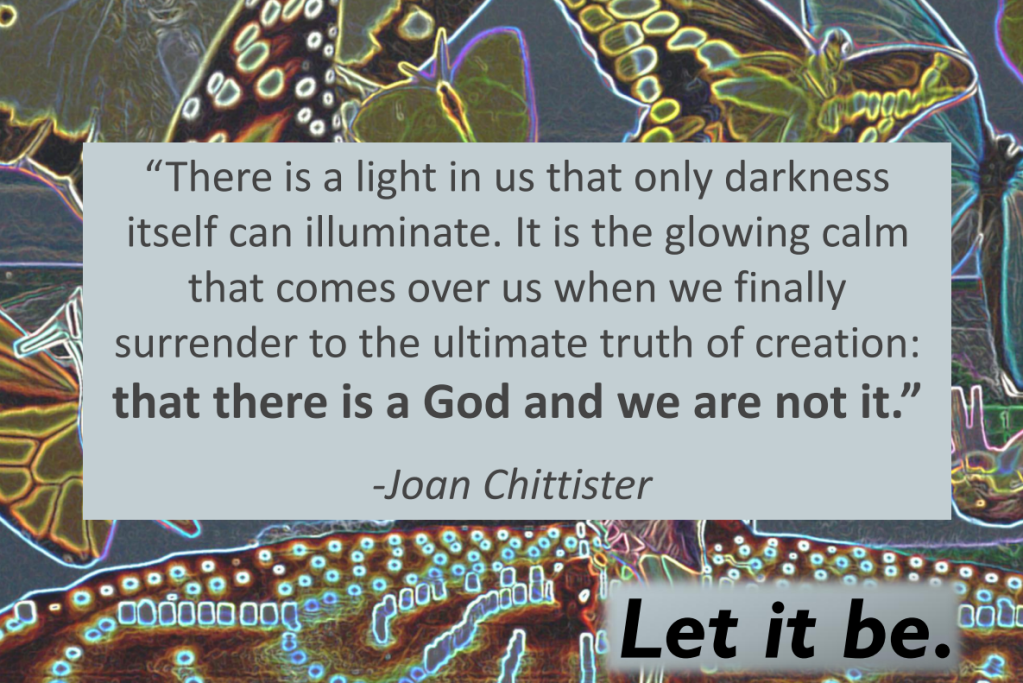
Reflecting on a very challenging year and the tragedies, trauma, and “presidential” tirades of the first few weeks of 2026, it is clear—we need a little more light, please. And so, I hold light, my 2025 word of the year, in my heart as comfort and guide in tumultuous times, as a reminder to shine, safeguard, and trust the Divine light, and to add the mantra “Let it Be”.

On a recent SoulFully You retreat I guided, we explored how the human experience is a dance between dark and light, and that there is always a little glimpse of the other. Barbara Brown Taylor writes, “Suffering comes from our reluctance to learn to walk in the dark… Blessing the day means accepting my full quota of light and of dark, even what I cannot see what I am blessing.”

How do we carry both darkness and light in our daily lives?
Fr. Thomas Keating, a Trappist monk, founding member of Contemplative Outreach, and an integral figure in the Christian contemplative prayer movement, suggests using the Welcoming Prayer, which has deep roots in the monasticism of the desert fathers and mothers.

Together, we practiced a Welcoming Prayer guided by David Benner, founder of Cascadia Living Wisdom. Step 1 in the process is Focus; Step 2 is Welcome; Step 3 is Let it Be—“Remember Jesus’ words in the garden of Gethsemane, ‘Not my will but thine be done’…or think of Mary, the mother of Jesus, as she responded to the annunciation. Let it be. This response is at the heart of Paul McCartney’s song called Let it Be.”

When I find myself in times of trouble, Mother Mary comes to me
Speaking words of wisdom, let it be
And in my hour of darkness, she is standing right in front of me
Speaking words of wisdom, let it be

Let it be, let it be, let it be, let it be
Whisper words of wisdom, let it be

And when the brokenhearted people living in the world agree
There will be an answer, let it be
For though they may be parted, there is still a chance that they will see; there will be an answer, let it be

And when the night is cloudy, there is still a light that shines on me
Shinin’ until tomorrow, let it be
I wake up to the sound of music, Mother Mary comes to me
Speaking words of wisdom, let it be

Songwriters: Paul McCartney / John Lennon Let It Be lyrics © Sony/atv Tunes Llc

And so let it be.

When the spiral of negative thinking begins, let it be. “I need sanctuary from the constant rerun of conversations and/or situations that have led to hurt feelings and a sense of rejection. I need sanctuary from the relentless inner conversations that distract me from living fully and hold me a prisoner in the role of victim… Over and again, I hear that I must be silent, to listen to the breath of God within me, to still the thoughts. And then, carry on (2020).”

When I feel an urgency to get beyond the discomfort of making a decision, let it be. “I shall allow myself the cushion (2018) of time needed to make any decision. There is no need to rush, to over-commit… I shall gently bump into the ever-so-soft cushion I have gifted myself as a reminder to listen to the ear of the heart.

Continue reading “Let it Be… and a little more light, please. (2026 Word of the Year)”
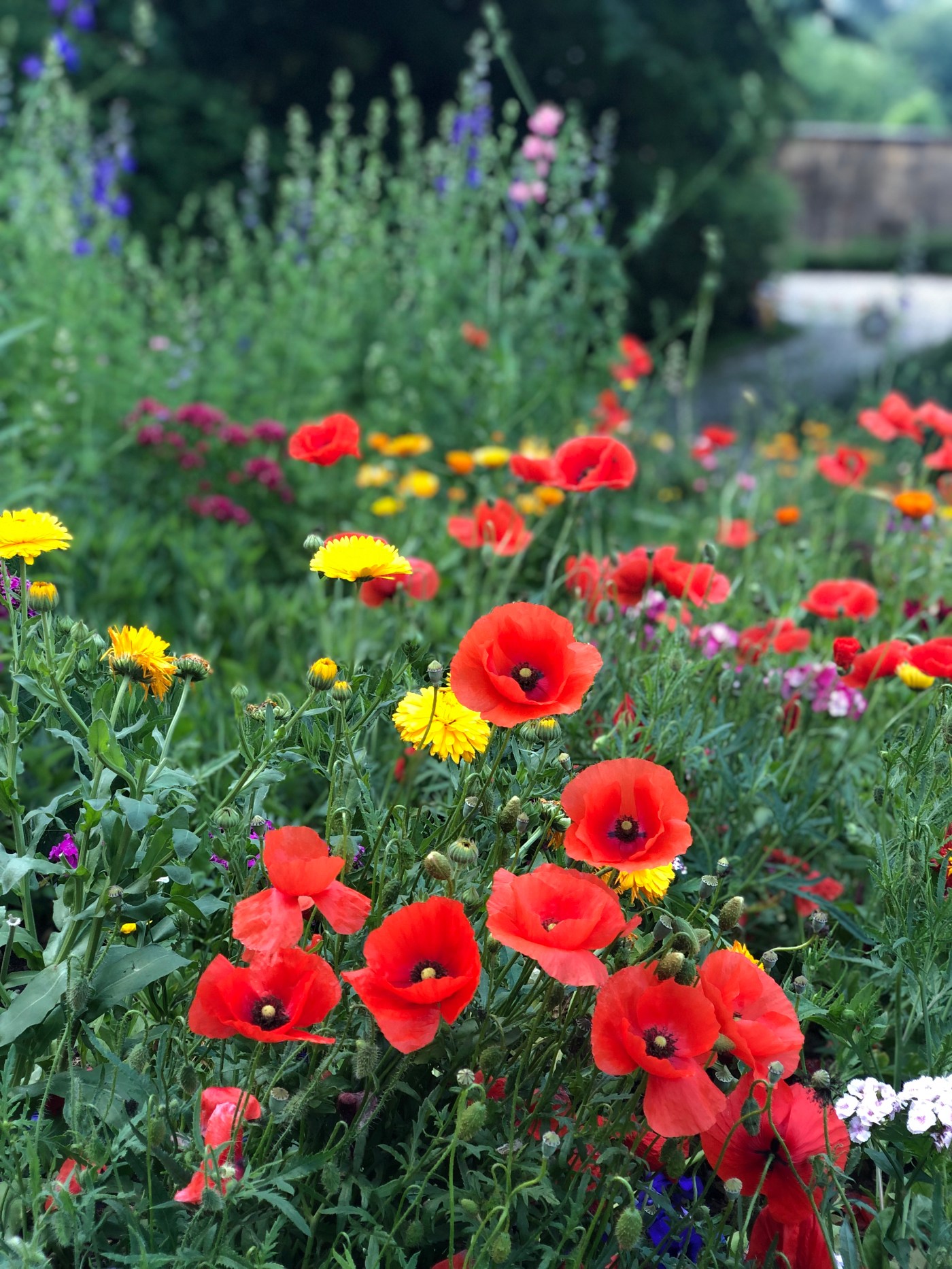
The Way The Wild Flowers Grow

June 2020 Oblate Reflections and Lectio Divina

Topic: Involvement or Detachment?

Sources: Matthew 6: 24-24; Study Guide for The Rule of St. Benedict, pages 119-123, Maria-Thomas Beil, OSB

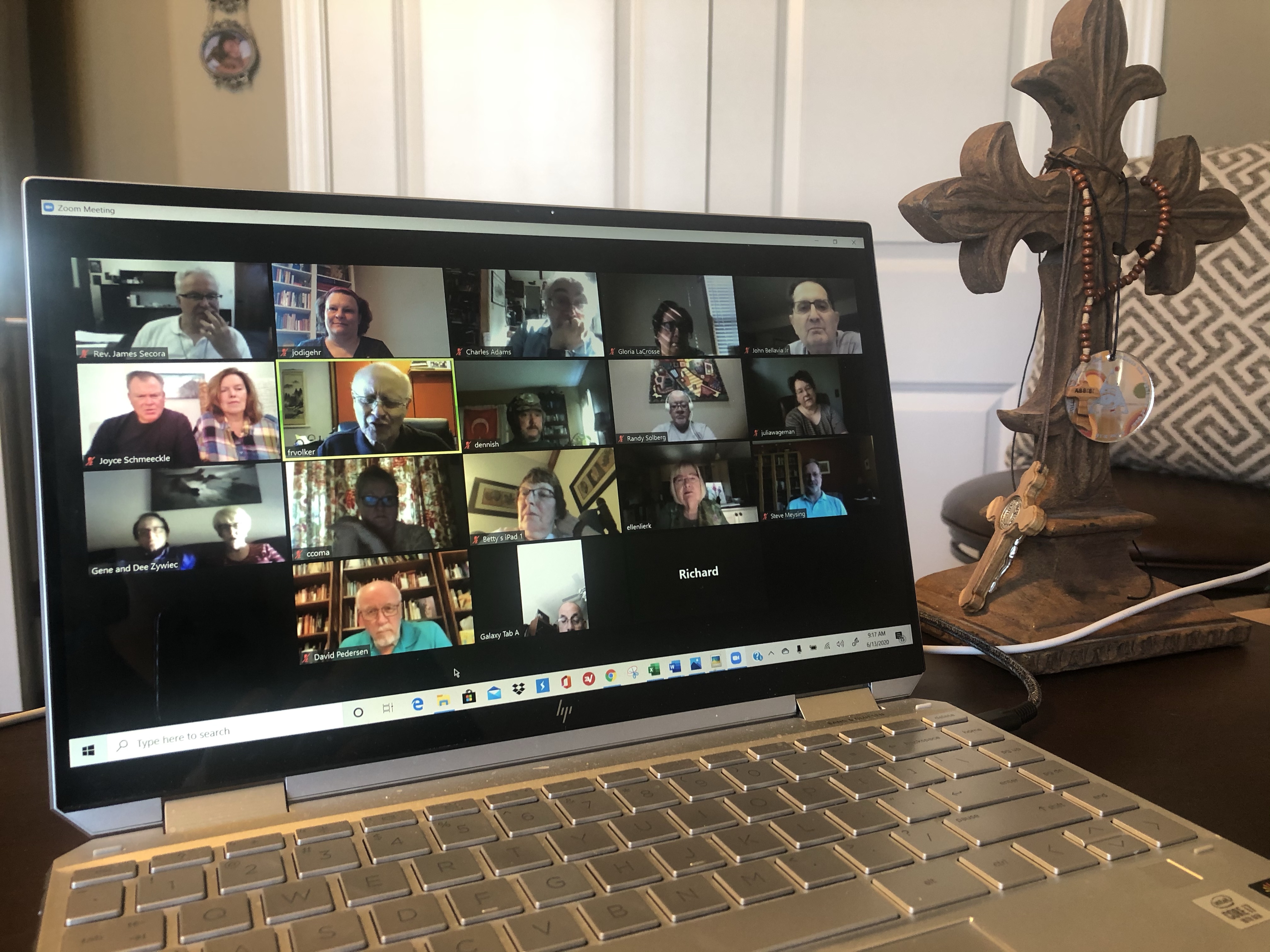
The focus of our June Oblate Zoom meeting is to explore our attachment to the world. A challenging question: How much are we to involve ourselves in improving our present world, while we are waiting and praying for a better world to come? We consider what St. Benedict teaches us about a balanced approach to the world that he was living in and about our outlook on living with the crisis of the coronavirus pandemic and the worldwide outcry for justice and end of racism.

We begin with morning prayer followed by sharing the challenges and blessings of living in this moment in time. Our challenges are many—because of the pandemic, it is difficult to not see others and we are missing our family and friends (and hugs!), there is uncertainty about how to reach out to others, and some of us suffer from PTSD, paranoia, negative thoughts, or anxiety. It is a time of letting go for many of us—there have been deaths, transitions in relationships and an adjustment of moving from old to new ways of doing things.

Life is different now. We live in uncertainty and some fear, not knowing what precautions to take—what is too much or too little in protecting our health, or what might offend another who responds to social distancing differently. We desire a middle way— to be in the world, carefully, but not looking at other people as a big germ. Finally, it is a challenge during this time of unrest, protest, and anger to see the world as it is, not as I want it to be. It is an opportunity to listen to how I am to respond to systemic racism, to withhold judgement and defensiveness, to educate myself, and to recognize there are things broken in the world. Evaluating how am I to respond and staying hopeful is essential. Continue reading “The Way The Wild Flowers Grow”

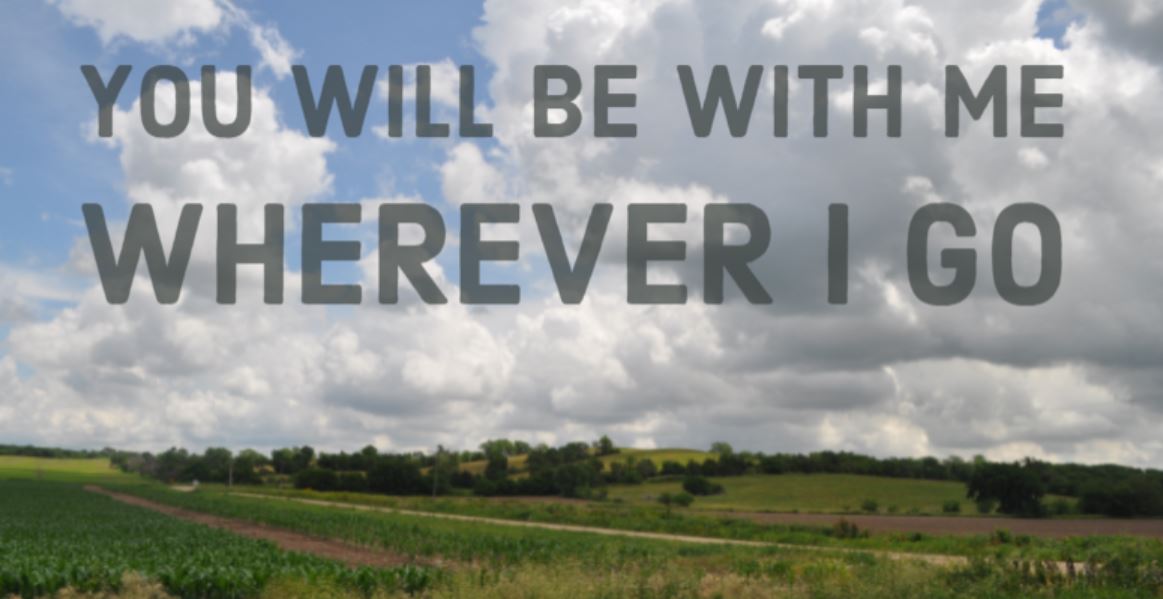
You Will Be With Me Wherever I Go

“Wherever you send me
There will I find you
Wherever you lead me
There will I go
Into all nations
All situations
You will be with me wherever I go.”
-Patrick on the Water, Garrison Doles

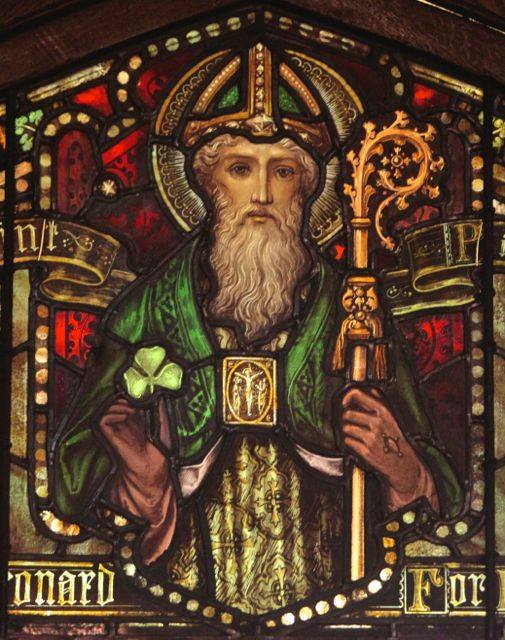
I stumbled upon a special song today called “Patrick on the Water”. The writer, Garrison Doles, was inspired by the life of St. Patrick—born in Britain, kidnapped by raiders, and enslaved in Ireland. Years later, after escaping, he felt called by the land where he had been held captive to travel back. The song tells this story while incorporating “The Deer’s Cry” or “St. Patrick’s Breastplate”, a prayer attributed to St. Patrick.

st patrick pic

What does it mean to follow God’s call wherever it may lead, “into all nations/all situations”? How can I trust that God “will be with me wherever I go”? Continue reading “You Will Be With Me Wherever I Go”

Many Ways to Pray: Walking a Labyrinth

“There are hundreds of ways to kneel and kiss the ground.” –Rumi

There are many ways to pray—in song, spoken or written words, silence, creativity, nature and movement, just to mention a few. Paul recommends to “pray without ceasing” (1 Thessalonians 5:17), which is only possible if we are able to connect with our Creator in a variety of ways. We are meant to engage our senses, our whole bodies, in prayer.

I’ve come to appreciate this about the Catholic Mass, even if visitors might think there is a lot of up and down. We genuflect, sit, stand, kneel and bow. These gestures, postures or movement help to bring our whole being into prayerful expression—raising our hands when saying the “Our Father”, making the sign of the cross or receiving the Eucharist allows us to use our bodies in prayer.

lab signIn addition, walking the stations of the cross or a labyrinth, taking a nature hike, or practicing yoga or tai chi are prayerful forms of movement that engage our bodies while quieting our mind. Going away on retreat is an opportunity to explore and practice various forms of prayer.

St. Benedict Center is building a labyrinth modeled after the famous labyrinth in the Cathedral of Chartres, France.  “When the Holy Land was closed to pilgrims in the Middle Ages, labyrinths abounded in the churches of Europe.  They were used to symbolically represent the pilgrimage to the Holy Land.  Our life is a pilgrimage, a journey to our eternal home with God in heaven.” –Father Thomas Leitner The labyrinth will be completed in late summer or fall. 

DSC_0925a

This summer I had the opportunity to pray in many ways while attending an eight-day Ignatian retreat at the Creighton University Retreat Center. Each day, for about an hour, I met with a spiritual director to receive guidance and to share my faith journey; the remainder of the day was spent reflecting on these discussions and praying. One of the ways that I prayed was by walking a labyrinth.

“A labyrinth is not a maze. A maze is a symbol of life without meaning, it is an agent of confusion, deception with dead ends that lead you nowhere. But a labyrinth is a symbol of a life of deeper meaning, an on-going sacred journey leading us inward, outward and to greater wholeness.” –Carrie Newcomer Continue reading “Many Ways to Pray: Walking a Labyrinth”

Blog at WordPress.com.

Up ↑