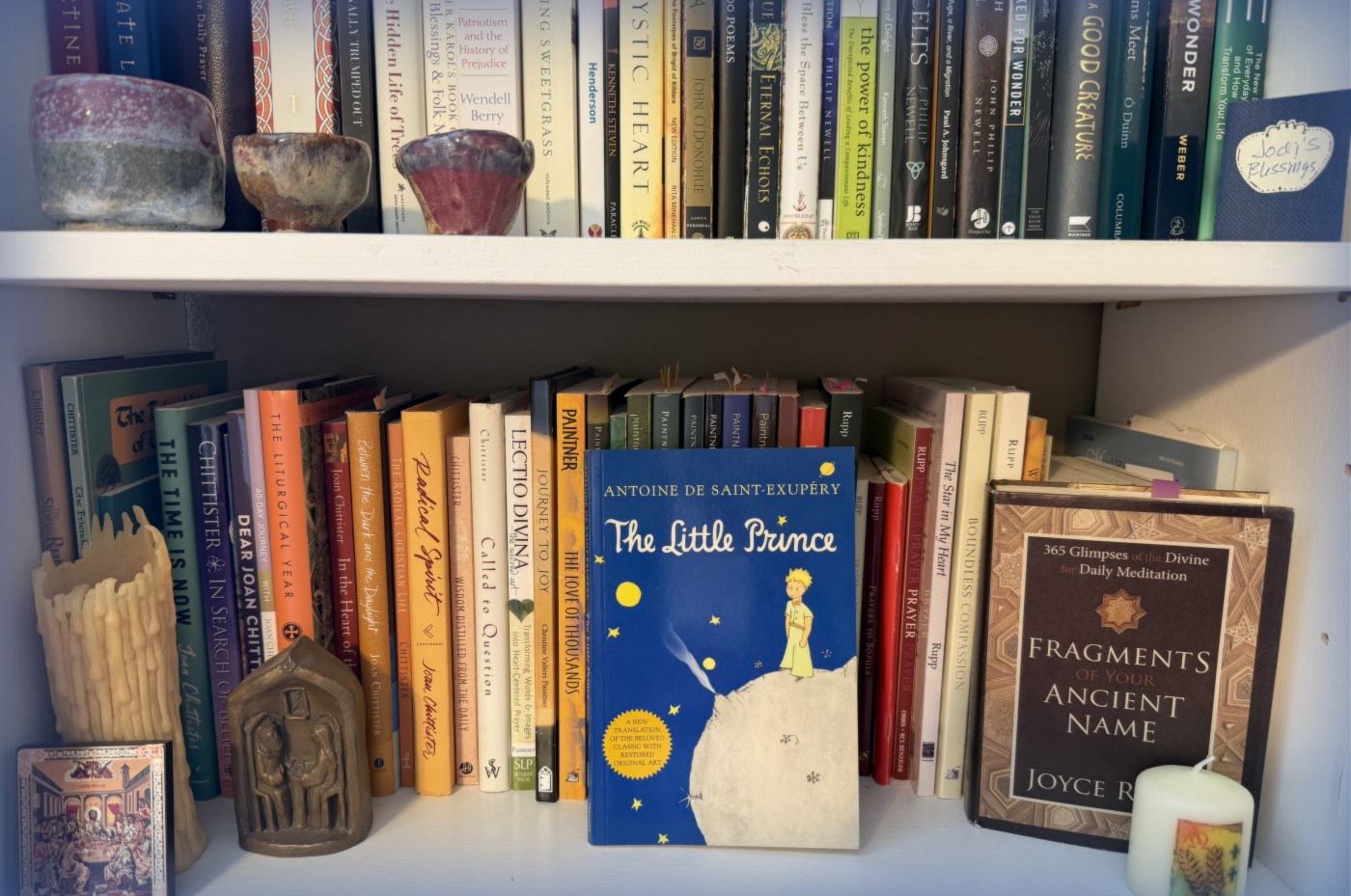
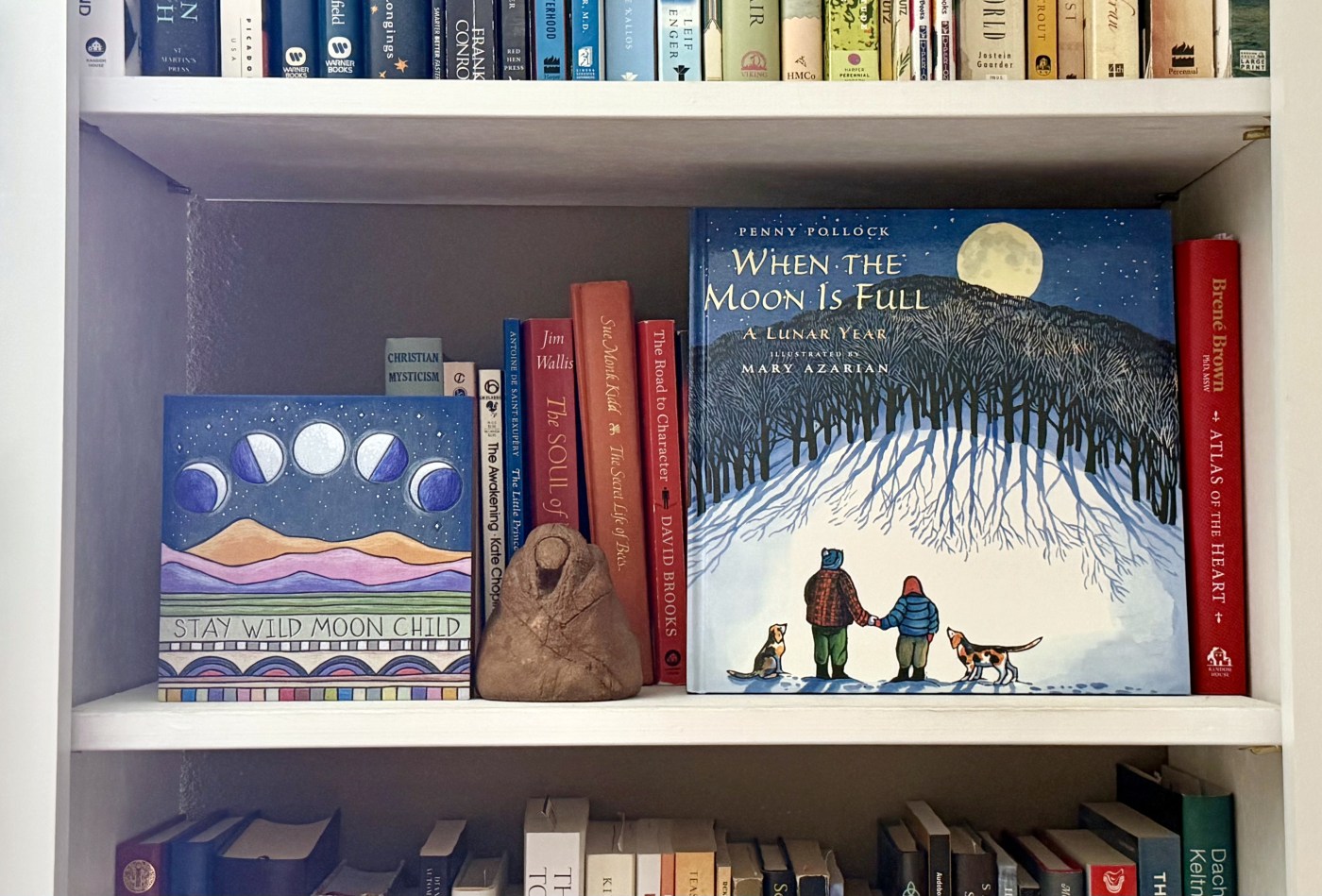
It has been several years since I spent time with “Le Petit Prince” and the young pilot, but when I read that it was the 80th anniversary of The Little Prince, a novella written and illustrated by French aviator Antoine de Saint-Exupéry, I immediately ran to my bookshelf, pulling the slim blue volume from my cherished re-reads shelf.
Each time I read it, I glean something new—a spiritual lesson, an insight about what is essential, a new way to think about time, friendship, life, and death. The Little Prince is a treasure to many. Over 300 million copies have been sold worldwide, making it one of the best-selling and most widely read books in history. It has been translated into 600 different languages and dialects worldwide, second only to the Bible. There is something very special, mystical even, about this story that transcends age, culture, religion, or language.
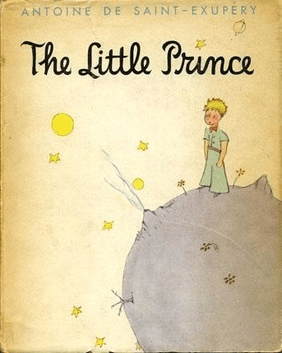
It took less than an hour (in real life) to take the transcendent journey with the six-year-old pilot who had “flown almost everywhere in the world,” and the Little Prince who traveled from his home asteroid B-612, “where everything is very small.” They meet in the Sahara Desert, “in the face of an overpowering mystery,” where the pilot has crash-landed, and the prince has been on a voyage to other planets.
As the pilot and the prince share the journeys that brought them together, I am in awe of the impact that great literature and storytelling can have on a reader, offering so many spiritual lessons. As if through the lens of a kaleidoscope, with each turning, one sees a little different story, a new perspective. Rotate it towards the light, and yet another image is revealed. This is the mystery of sacred reading, or Lectio Divina. For me, this turn of the kaleidoscope captured the importance of living life more soulfully with childlike wonder and joy, a reminder that my worth cannot be counted.
How Grown-Ups See The World
In The Little Prince, we see, for instance, that the way grown-ups see the world is less than ideal. Consumed with facts, tasks to be completed, and accumulating possessions, grown-ups with heightened self-importance are more concerned with financial value, usefulness, meeting expectations, and making sure their expectations are met.
Continue reading “A Journey with The Little Prince”











 Being Benedictine