Search

Being Benedictine

Living SoulFully as an Oblate of St. Benedict

In Praise of Words and Less Words

Sometimes I just don’t know when to shut up. Words, words, and more words.

I love words—to write them and to read them. I have been considering how I use words after reading The Power of Words by Joe Kay at Living Gracefully. It ­shined a light on the word wars often waged in my head, in conversation, in writing—either on social media or my personal journaling.

In some ways, I give words too much power. I think if I keep talking I might find just the right words to communicate my point better. Maybe my words weren’t effective, or they weren’t heard the way I intended, or my words were rejected—so I try again with more words, thinking “this time” I will be understood or be able to help another understand. Maybe “this time” we will come to an agreement or reach a hoped-for reconciliation.

But words do have power, Kay writes “Martin Luther King, Jr., understood the power of words. He spoke so beautifully and prophetically about his dream of a world in which everyone is treated as an equally beloved child of God.

mlk

Words have the power to inspire us, touch us, and transform us for better or worse, depending upon which words we choose to allow inside of us. They can bring us more peace, love and justice, or they can increase our levels of division, fear and hatred. In the last few months, we’ve been reminded how easy it is to get sucked into the pool of hateful words. Continue reading “In Praise of Words and Less Words”

A Wild and Precious Life: Mary Oliver

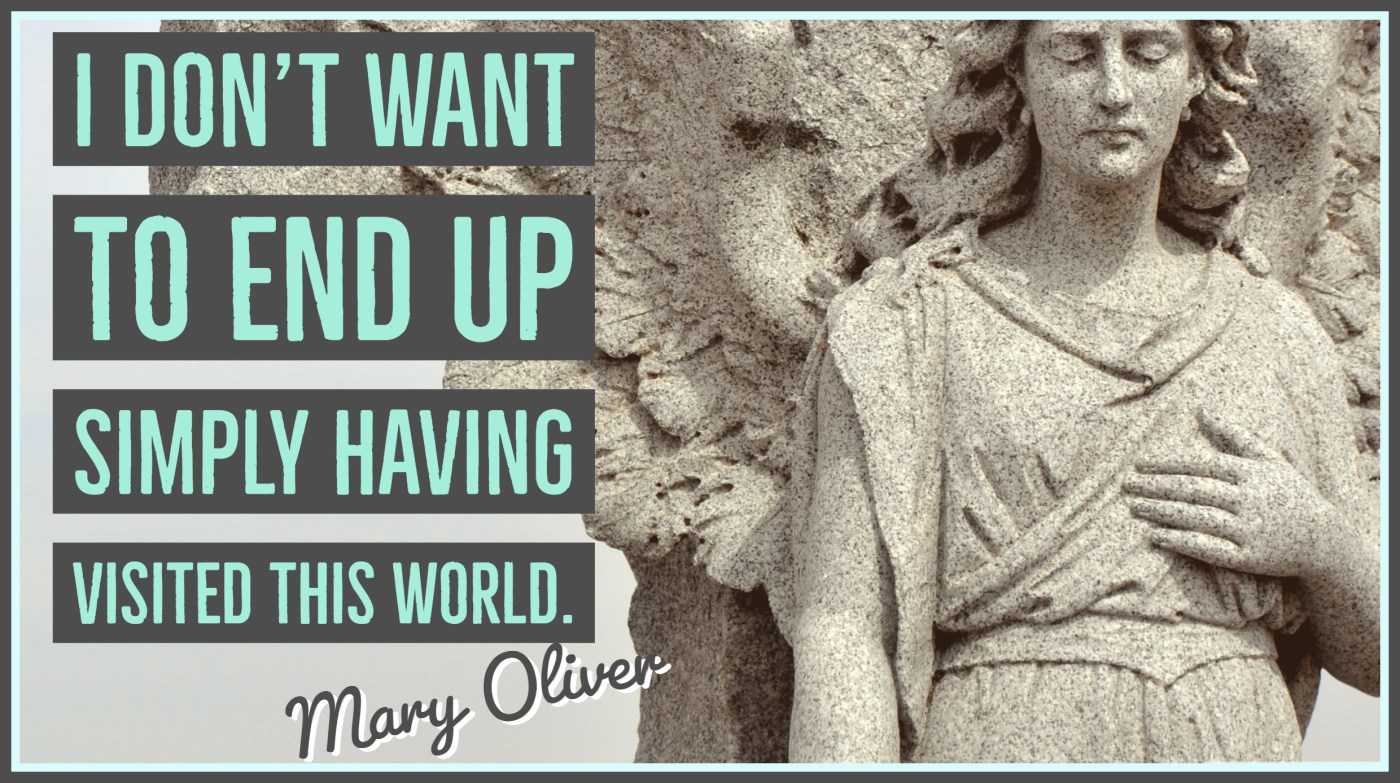
 Mary Oliver. She must have loved life.  She deeply reflected upon it and wrote about it so eloquently. She suffered and enjoyed and made peace. And she wrote about it all. 

living in this world.jpg

She encouraged us to slow down and enjoy each moment. 

“For how many years did I wander slowly through the forest. What wonder and glory I would have missed had I ever been in a hurry!”  Leaves and Blossoms Along the Way: A Poem

She encouraged us to see the holy that is wholly visible.

“God, or the gods, are invisible, quite understandable. But holiness is visible, entirely.” Leaves and Blossoms Along the Way: A Poem Continue reading “A Wild and Precious Life: Mary Oliver”

No GPS, Just Follow the Star

Just over three years ago, we built a new house on what was the edge of town. We could see the city limits boundary from our backyard. There were empty lots behind us, next to us and across the street. Our address was not listed on Google Maps or detectable by other forms of GPS.

For the first four weeks at our new address, the local cable company claimed they couldn’t connect us to internet and television services (much to the disappointment of my sports-loving husband.) When people came to visit us, we needed to provide directions, not just our street address.

No Google maps or Siri would find us; just good, old-fashioned directions. “Head south on ___street.  Go three more blocks until you reach ___street. Turn right. Go to ____ street, and turn left.” We had a few late arrivals and phone calls from lost friends for several months, but we actually enjoyed being out in the boonies.

DSC_0699a.jpg
Old barn less than 1/4 mile away from our house

GPS, although so helpful, has become a crutch. I love young people (I teach them; I have one…a daughter), but often it is younger people that just don’t know their directions very well, having relied on technology their entire lives. Continue reading “No GPS, Just Follow the Star”

Begin Again: New and Improved!

The most used words in marketing campaigns and on product packaging are new and improved. This expression taps into our deepest desires to improve our lives and our circumstances. Marketers know this—that most of us want better and that we want to BE better, to be more of this or less of that—and so come the advertisements for weight loss, exercise facilities, home improvement, travel and more. Of course, the superficial and material never satisfy and leave us still wanting more, or less.

The essence of making New Year’s resolutions—everything from setting financial, career and relationship goals to considering new ways of being and doing—is that we desperately seek the chance to “do over.” It might sound elementary, and even impossible, but we long for it anyway.

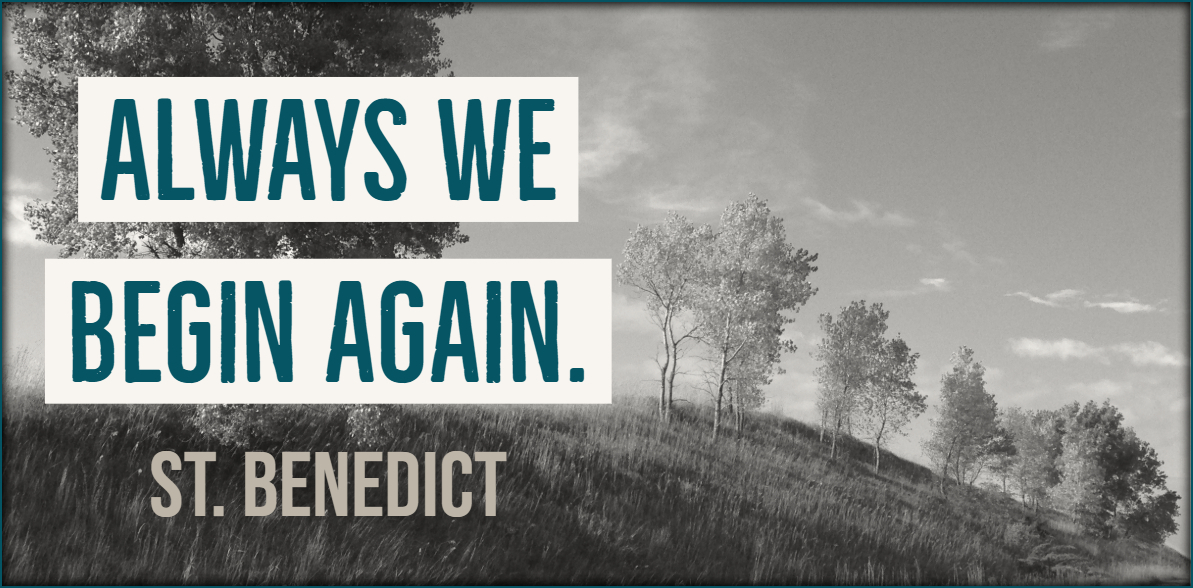
Celebrating the beginning of a new year is a reminder of our opportunity to “always begin again”—the embodiment of Being Benedictine. It’s not as simple as a “do over” but January 1, merely just one day that follows December 31, gives us a definitive time and space to honor our deepest longing to begin again.

always begin again

I’ve long since quit making resolutions. Well, not really—I make them and break them so quickly and consistently, that I’ve chosen to look at them more gently, as beginning again. Each year I select a word that will help guide me in the New Year. Continue reading “Begin Again: New and Improved!”

True You: Becoming Your Truest Self

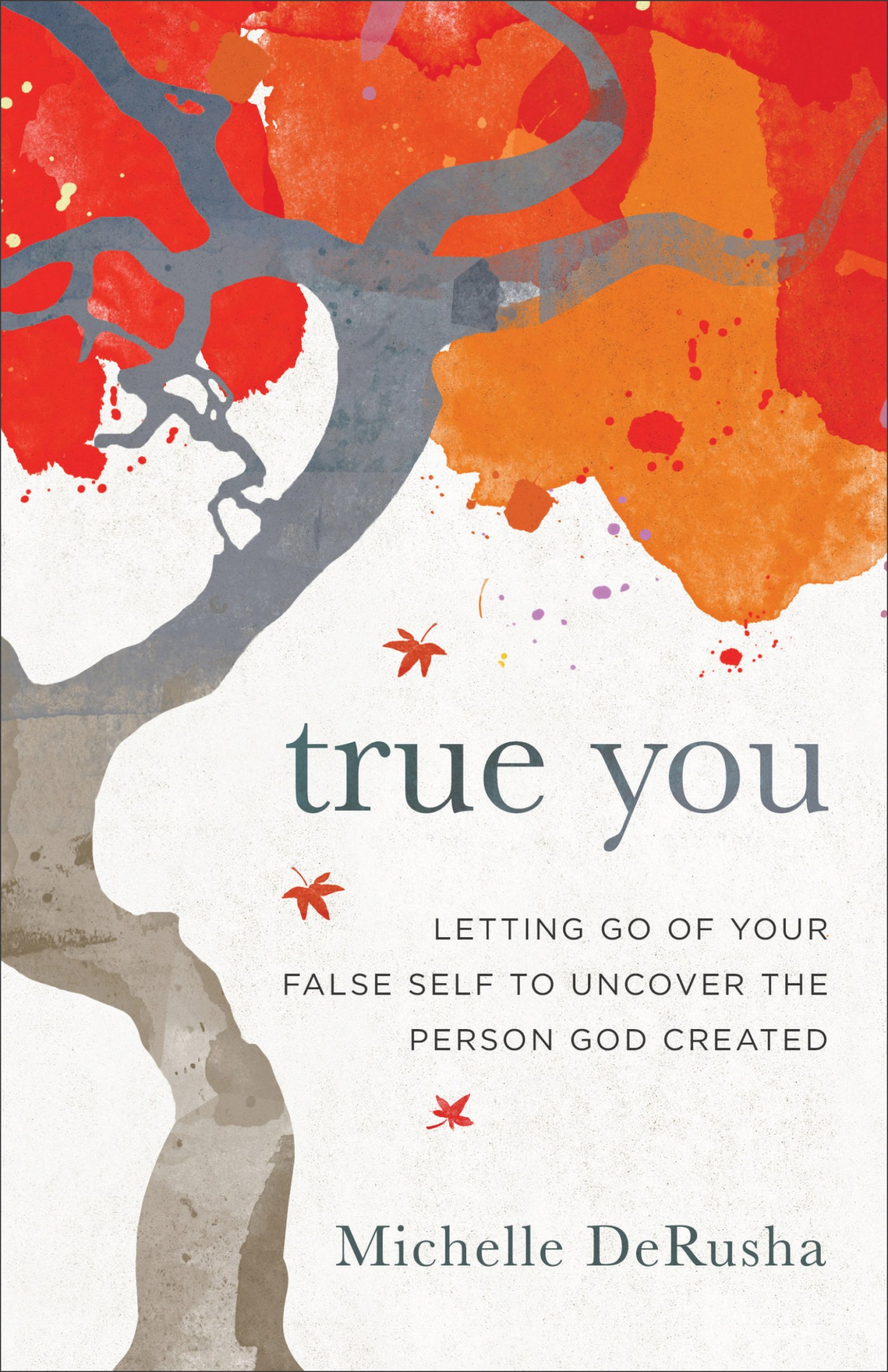
315488_TrueYouDeRusha_WhatOurSoulKnows

The Benedictine path calls us to solitude, prayer, balance and listening with the ear of our heart.  In the spirit of Benedictine hospitality, I share a guest post from Massachusetts MDeRusha_OfficeHoriznative, Michelle DeRusha. Michelle moved to Nebraska (where our paths have crossed) in 2001, is the wife of an English professor and mom to two teenage boys.

Michelle’s newest book, True You, releasing January 1, guides readers on a journey toward letting go in order to uncover their true God-created selves. True You captures Michelle’s experience of becoming her truest self by honoring time and space for authentic reflection.

I am delighted to be reading an advanced copy of True You from Michelle’s publisher to share my impressions with you. I am doing much reflection and writing over my Christmas break and will share more in upcoming blog posts. For now, I share an excerpt of the book here: Continue reading “True You: Becoming Your Truest Self”

Sobriety: The Nature of our Need

Fr. Mauritius Wilde, Prior of Sant’ Anselmo in Rome, has a new podcast series on the Benedictine understanding of sobriety.

Can you get caught up in the swirl and chaos of fear, violence, and anger assaulting our world today? Practicing soberness means being detached from emotions, both overly negative or positive feelings. It is not good to be “drunk” on either extreme.

Soberness is taking just what we need. What do I take with me? What do I take in? What do I consume? How much wine, money, noise, whatever? Is it too much? The journey of soberness is to become more aware of whether there was too much.

But soberness is more than an absence of something—there is its own positive quality. The absence of the noise of tv is more than just turning off the tv. We begin to discover how beautiful silence is. Once you taste it, you want to have more of it.

Capture


Holy Darkness: An Advent Meditation

*Note: This was not a session at the Sprigs of Rosemary retreat but from a previous Advent retreat called Holy Darkness. Nevertheless, a timely reflection on the Advent wreath and the importance of waiting during the Advent season.

As a child, the Advent season was musically frustrating for me. With so many beautiful Christmas carols and hymns, I just could not fathom any reason why Catholics must wait until Christmas Eve to sing them. Every department store was playing Christmas songs. Television stations were showing Christmas movies and special programs.

Why wait?  

I prefer not to wait in many situations. For example, I would rather get to the destination of a planned vacation immediately than endure the hours it takes to drive or make the airline transfers needed to get there. I much preferred nursing my infant daughter, playing with her and watching her sleep to the nine months of back-aching pregnancy. When I want to write or create, I often need to wait for the inspiration to strike. Waiting can be an inconvenience, even excruciating, but there is no denying that we must wait for many good things in life. Continue reading “Holy Darkness: An Advent Meditation”

Thanksgiving: A Ritual of Gratitude

Preparing for the Thanksgiving holiday can be a sacred ritual. Weeks in advance several family members begin planning the menu for our Thanksgiving dinner. Of course, there is little variation from year to year—turkey, dressing, dumplings, sweet potatoes, green bean casserole, pies, dinner rolls, and so on—but an afternoon of list-making, guest-counting, and recipe-searching ensues. Some years, even a second planning session is required—to count plates and chairs, to create a map of the food line, or to scour advertisements for butter sales. The planning sessions have become part of the practice of Thanksgiving.

The Thanksgiving planning sessions and meals that immediately followed the passing of each of Joe’s parents was bittersweet. We missed their presence. But the ritual itself, while grounding us in the present, was a reminder to be grateful even in our sadness and grief. Continue reading “Thanksgiving: A Ritual of Gratitude”

Flood the World with Love

Weekend mornings are made for slowing down—for sipping coffee crowned in frothy milk, catching up on reading, and listening to some of my favorite music. This morning my meditation consisted of listening countless times to “I Heard an Owl” by Carrie Newcomer, much-loved folk singer and spiritual teacher, and accidentally reading 1 Corinthians 13:4-6.

Both song and scripture are a meditation of love, peace and courage—and a good reminder of how to be a living light in the world. As the antidote to confusion, fear, hatred, and darkness, we must flood the world with love. Continue reading “Flood the World with Love”

Blog at WordPress.com.

Up ↑