Search

Being Benedictine

Living SoulFully as an Oblate of St. Benedict

Tag

death

Hysterics and Hail Marys: Holding the Hand of Fear

A month before my birthday, I wasn’t sure I was going to have another one. 

Lately, I have been contemplating aging and dying more than usual. Turning 60 feels different than turning any other age before it. I take seriously the advice from The Rule of St. Benedict to “Keep death daily before your eyes,” but most often I heed it by how I live my daily life. I try not to dwell on the actual dying part. But this year is different.  

Less than a week before he turned 60, a long-time friend suddenly passed away. He went to bed not feeling well and didn’t wake up. Colin and I would share birthday greetings every year, even if we hadn’t seen each other in a while. Now that will never happen again.

I have spent the few months since his passing considering how quickly life can change, how we are never promised another day. As grateful as I am for each new day, I can still be filled with fear at the idea of dying.

And that was my state of mind when, after breakfast on a Tuesday morning, my throat felt unusual, like I hadn’t swallowed something completely. I asked my husband, Joe, to look at it before I joined a Zoom meeting.

Looks okay,” he said, so I drank some water and filled my mug with coffee and prepared to begin. Less than ten minutes into the meeting, my eyes started to itch. I realized I was experiencing a health emergency when I looked in a mirror—in real time, I could see my eyes swelling and closing. (Remember The Incredible Hulk? That transformation is what came to mind as I watched my eyes and face change shape.)

On a hurried internet search, my symptoms indicated “anaphylaxis: a sudden, severe, and potentially life-threatening allergic reaction.”  I had never experienced anything like this, so I knew I needed emergency care, and fast. I told Joe something serious was happening, and we needed to go RIGHT NOW. Worry and anxiety are not new to me, but I experienced panic and fear as I never had.

“I am so scared,” I said.

On the way to urgent care, between hysterics and Hail Marys, I could only think of dying and not wanting to, and that we needed to hurry, knowing things can happen so quickly. After my husband dropped me off near the door, I cut the long line, crying for help. Within minutes, I was given my first injection of epinephrine and instructed to get to the emergency department.

“I am so scared.”

When we arrived at the ED, I was escorted past other waiting patients, hooked up to IVs, given a second EpiPen injection, and had blood tests. Several doctors, specialists, and nurses came in and out.

“I am so scared,” I told Joe, for perhaps the hundredth time.

Doctors recommended that I be admitted to the hospital to be monitored. If I had a rebound reaction and couldn’t swallow, I would be put on a ventilator.

“I am so scared,” I kept saying.

Joe told me I’d be okay, to think positively, to stay calm- perhaps excellent advice when I am in my right mind. But I was hysterical. I screamed, “Colin probably thought he was going to be okay too! Things happen; people die!”  Colin certainly didn’t think he would die the night his blood sugar was low. How could Joe tell me I’m going to be okay? Sometimes things aren’t okay. Sometimes people die.

Continue reading “Hysterics and Hail Marys: Holding the Hand of Fear”
Remembering Steven Gehr: OK. I know. Good. OK.

Steven Gehr, my husband’s oldest brother at 66 years old, passed away in the early morning hours of Sunday, January 26, 2025. After a tragic accident, Steve was placed on a ventilator to assist his breathing, and within hours it was breathing for him. It was clear that letting Steve go was the best decision; he would be physically unable to live the joyful, carefree life he knew. The oldest child of seven children born to Marvin and Mary Gehr, Steve was born with intellectual disabilities. Steve was the center of the family, bringing everyone together in the spirit of joy with his huge grin and infectious laugh. His joy was everyone’s joy.

The Gehr Family, circa 1966. Steve stands between his mom and dad. Baby Kathy and I are the same age. In order, left to right–David, Karen, Diane, Mary/Kathy, Steve, Marvin, Alan and my husband, Joe…looking a little grumpy. Edit: Joe and his brother David look so much alike NOW that I mixed them up in the above photo. Joe, my husband, is on the left (isn’t he adorable?) and Dave is on the right. Their sisters said they had pre-arranged to look grumpy. LOL

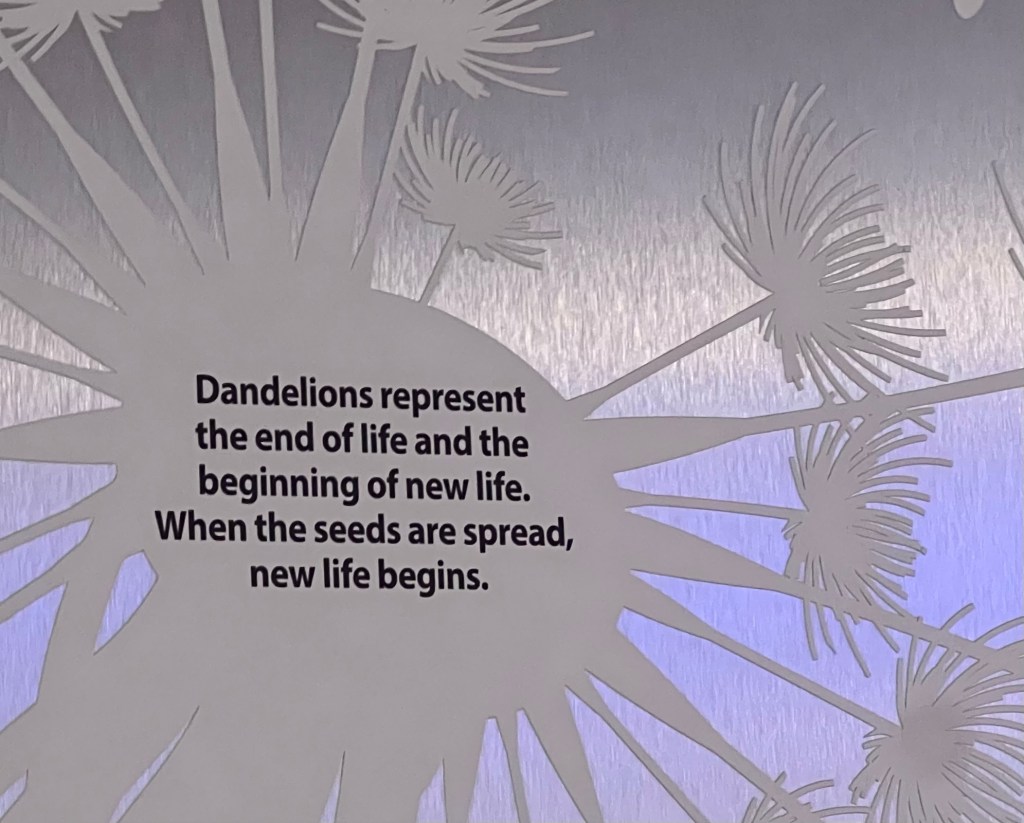
Steve’s life became the seed for new life when he was approved to be an organ donor. The decision to pursue the organ donation process was influenced by our family experience of loss just two years ago. Alan, Steve’s brother, lost his life partner Greg when he passed waiting for a liver transplant. It was a difficult few days waiting for organ recipient arrangements, but knowing others will receive Steve’s liver and kidneys brings peace.

There is so much we love about Steve.

Steve got excited about things that were special to him—visits to the Goodwill to look for records, family gatherings, trips to McDonald’s (cheeseburger, French fries, Diet Coke), opening Christmas presents, having a Diet Coke or red coffee (the Folgers label that has caffeine.) The simplest things brought him so much joy, and his joy lit up the room.

Steve loved family get-togethers. When he returned to Glenwood, where he lived in a group home, he would already be talking about his next visit. In the fall, he envisioned Thanksgiving dinner, reciting the line-up of menu items, ticking off the list by counting on his hand—turkey, mashed potatoes, salad, white dressing (Ranch, which he could eat by the spoonful), pumpkin pie, and so on.

Continue reading “Remembering Steven Gehr: OK. I know. Good. OK.”

The Final Threshold: Take This Body Home

Day by day remind yourself that you are going to die.
Hour by hour keep careful watch over all you do,
aware that God’s gaze is upon you, wherever you may be.

Rule of St. Benedict 4:47-49

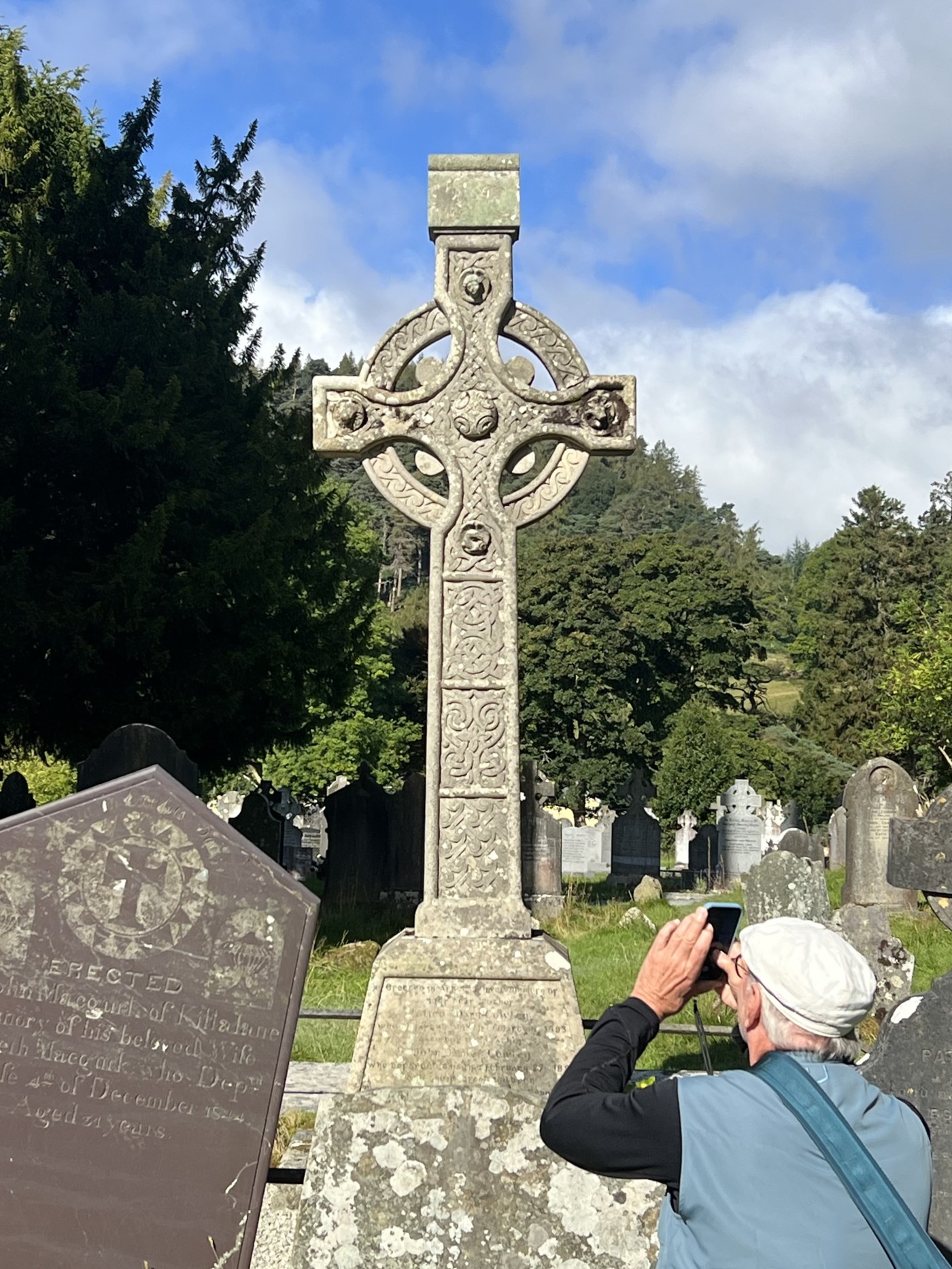
One of the gifts of a pilgrimage is those you connect with on the journey—greeting each other in the morning, offering small kindnesses, enjoying meals together, appreciating the sacredness of the sights, and sharing insights. On a recent Celtic Christianity pilgrimage to Ireland and Scotland, I knew only one person, my friend, SoulCollage® companion, and travel roommate, Sara, who I met several years ago at St. Benedict Center as a Benedictine Oblate.

Sara and I had decided to begin our pilgrimage four days earlier at the Cliffs of Moher, in the west of Ireland, and then travel by train to Dublin to catch up with the group once they arrived. Many pilgrims knew each other beforehand, so introductions in Zoom meetings and social media proved to be a helpful head-start to our shared time. Just a few days into our pilgrimage, I shared breakfast with one of the pilgrims, Mike, at a two-person table.

We ordered porridge and discussed the lengthy lines for fancy coffee from the European espresso machines, hoping for just a quick pot of black coffee. I was clearly more irritable about getting my first cup when Mike commented that he recently started taking a spiritual approach, a detachment from coffee, he said. If he gets coffee in the morning, all the better, but not getting coffee would not be a deal-breaker for his day. He would not allow the absence of coffee to interfere with his interior peace.

As I calmed down about the lack of morning caffeine, our conversation continued to a depth not often reached in such a short time. We shared that through the years our spirituality had changed, impacting how we experience life, especially how we respond viscerally as we witness racism, homophobia, injustice, and hateful behavior in our country. We shared our deepest grief about the estrangements in our family and the uncertainty of how healing might come.

Navigating long lines and crowds in the breakfast area, we finally achieved the goal of a cup of coffee.  Mike commented that people were not even looking at each other while getting food and drink. He was right. Mike’s comments remained in my heart throughout the day and I am grateful to have had such a meaningful conversation with him.

The gift of a pilgrimage “lies in the gaps of the agenda, in the conversations and relationships with others, and in the details of the day that cannot be planned or controlled. This is where the grace of God enters—sometimes it is in the form of discomfort and challenges and other times in opportunities that new insights and “aha moments” of new understanding bring.” (A Busload of Hospitality: A Benedictine Pilgrimage, Part 4, Jodi Blazek Gehr)

Continue reading “The Final Threshold: Take This Body Home”

Easter: Embracing Light and Darkness

“We love to think of Easter as the feast of dazzling light. We get up on Easter Sunday morning knowing that the sorrow of Good Friday is finally ended… that Jesus is vindicated, that the faith of the disciples is confirmed for all to see, and that everyone lived happily ever after. We love fairy tales. Unfortunately, Easter is not one of them.” (Joan Chittister)

DSC_0593

During the Holy Triduum, we remember the events leading up to Easter. Each Holy Day is significant to the fullness of Jesus’ story—his life, death, and resurrection. Jesus’ life was full of joy—learning, teaching, helping others, growing in his authentic identity, and embracing his essence—but, also, as the Gospel of John poignantly states, “Jesus wept.” Even Jesus could not escape his own suffering—the death of a friend, concern for political and religious corruption, the betrayal of his disciples, his own physical persecution, and, finally, his fear of abandonment, that he had been forgotten by God and everyone. No doubt about it, Jesus experienced both joy and suffering.

Jesus’ life is an archetype for our own spiritual journey. There is nothing that happens in our lives that Jesus didn’t also experience. When we live out our own Good Fridays, mini-deaths that bring us face to face with darkness, we know we are not alone. We may feel betrayed by loved ones, blamed for problems we didn’t create, forsaken by those we trust. We grieve the loss of loved ones and lament our own mistakes. We are depressed or sad.

Our Holy Saturday is a time of waiting, enduring or resting, perhaps a respite from problems, a time when we can separate from our pain for moments, even days at a time. In the tomb, we wait for healing. Perhaps, we allow others to mourn with us and wait with us in hope. Our waiting is a gray space of in-between.

DSC_0420a

This darkness is not what we want—and anytime we experience something unwanted, or conversely don’t get what we do want, we live in some shade of darkness. Truth be told, we simply want peace and joy. We don’t want to be patient, to feel bad, to hurt. There are times when we cling to the darkness and choose to stay in a place of suffering, but we can both honor the darkness while looking towards a glimmer of light, to Easter. Continue reading “Easter: Embracing Light and Darkness”

Easter of Light… and Darkness

“We love to think of Easter as the feast of dazzling light. We get up on Easter Sunday morning knowing that the sorrow of Good Friday is finally ended… that Jesus is vindicated, that the faith of the disciples is confirmed for all to see, and that everyone lived happily ever after. We love fairy tales. Unfortunately, Easter is not one of them.” (Joan Chittister)

DSC_0593

During the Holy Triduum, we remember the events leading up to Easter. Each Holy Day is significant to the fullness of Jesus’ story—his life, death, and resurrection. Jesus’ life was full of joy—learning, teaching, helping others, growing in his authentic identity, and embracing his essence—but, also, as the Gospel of John poignantly states, “Jesus wept.” Even Jesus could not escape his own suffering—the death of a friend, concern for political and religious corruption, the betrayal of his disciples, his own physical persecution, and, finally, his fear of abandonment, that he had been forgotten by God and everyone. No doubt about it, Jesus experienced both joy and suffering.

Jesus’ life is an archetype for our own spiritual journey. There is nothing that happens in our lives that Jesus didn’t also experience. When we live out our own Good Fridays, mini-deaths that bring us face to face with darkness, we know we are not alone. We may feel betrayed by loved ones, blamed for problems we didn’t create, forsaken by those we trust. We grieve the loss of loved ones and lament our own mistakes. We are depressed or sad.

Our Holy Saturday is a time of waiting, enduring or resting, perhaps a respite from problems, a time when we can separate from our pain for moments, even days at a time. In the tomb, we wait for healing. Perhaps, we allow others to mourn with us and wait with us in hope. Our waiting is a gray space of in-between.

DSC_0420a

This darkness is not what we want—and anytime we experience something unwanted, or conversely don’t get what we do want, we live in some shade of darkness. Truth be told, we simply want peace and joy. We don’t want to be patient, to feel bad, to hurt. There are times when we cling to the darkness and choose to stay in a place of suffering, but we can both honor the darkness while looking towards a glimmer of light, to Easter. Continue reading “Easter of Light… and Darkness”

Blog at WordPress.com.

Up ↑