St. Benedict lived in a cave in Subiaco, Italy, for three years, committing to detach from the world and be alone with God. The archetype of a monk is in each person, so we can look to St. Benedict as a spiritual role model.
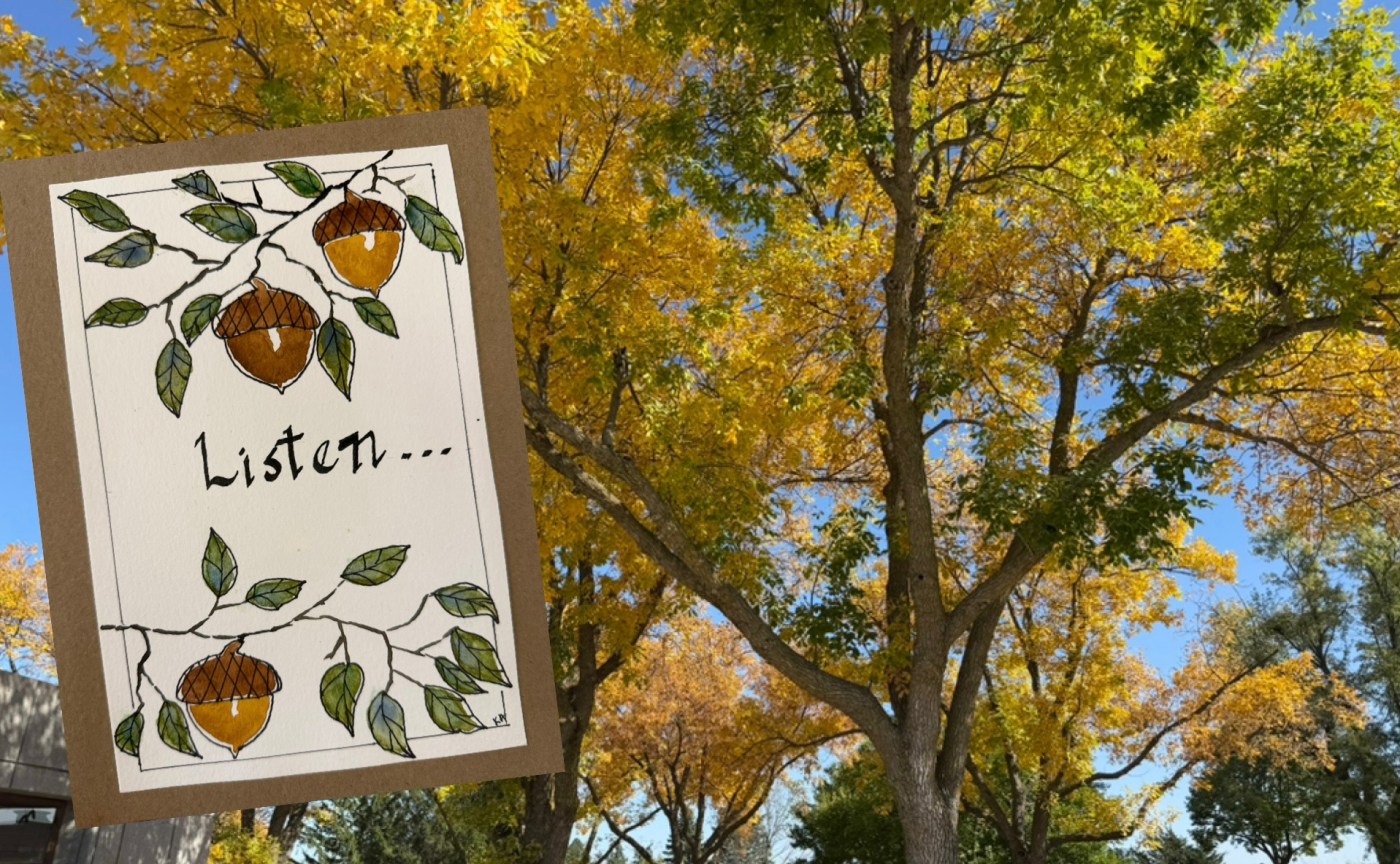
As a Benedictine oblate, one strives to live as a monk in the world, in the everyday life of family, work, and community. Our longing to be alone with God requires time to listen to the voice of God in solitude—for prayer, silence, spiritual reading, contemplation, or retreat.
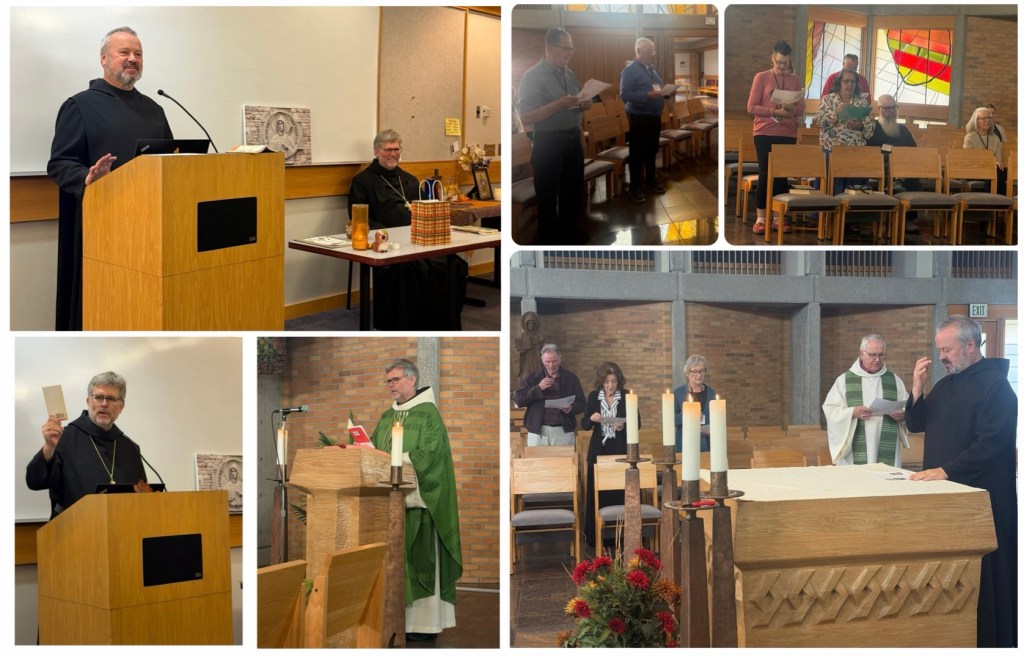
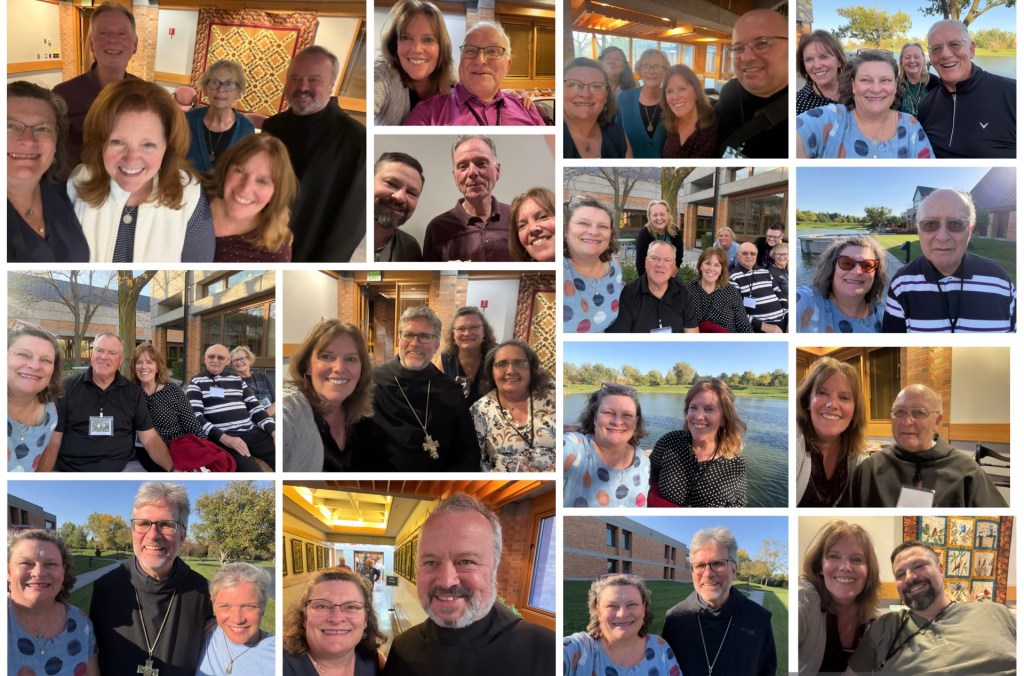
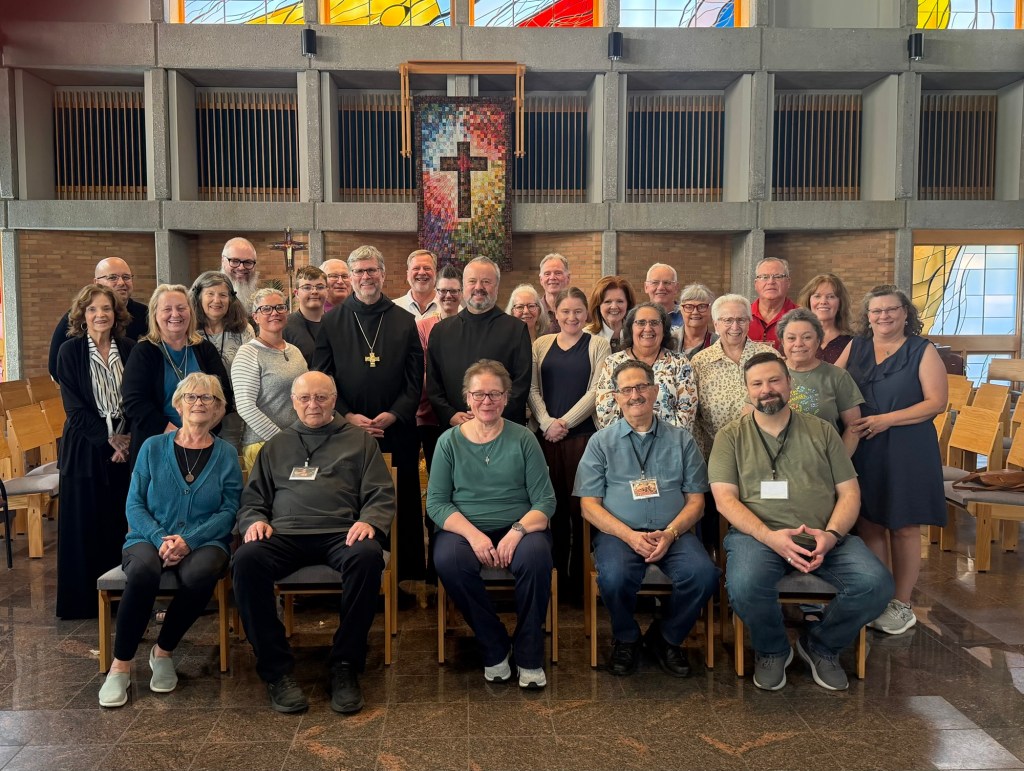
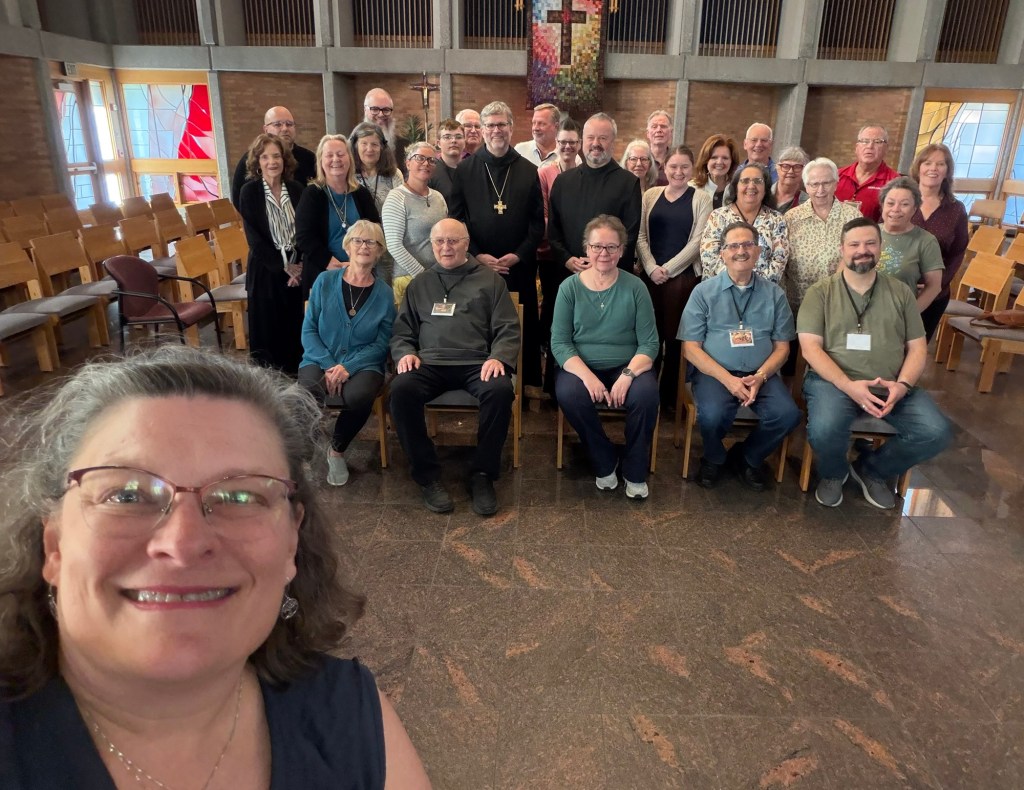
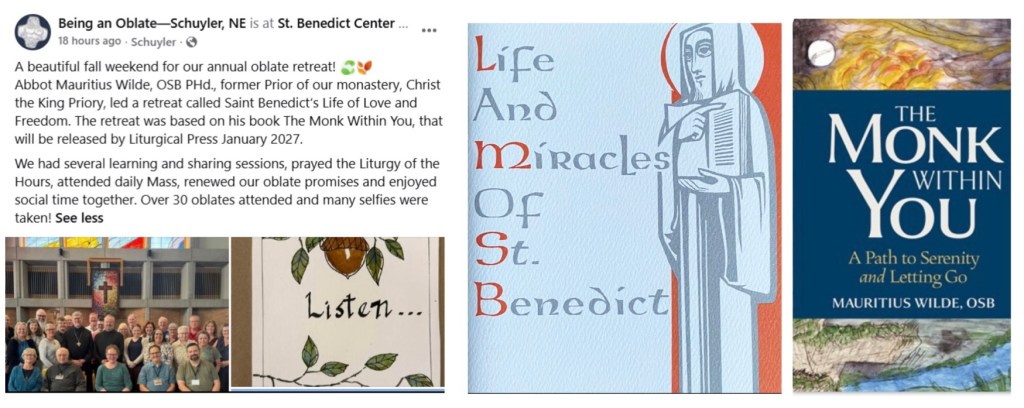
Every October, oblates of Christ the King Priory meet for an annual weekend retreat to renew their oblate promises, deepen their understanding of Benedictine spirituality, and enjoy each other’s company. This year our retreat leader was Abbot Mauritius Wilde, OSB PhD., former Prior of our monastery, Christ the King Priory. Abt. Mauritius is an author, lecturer, and spiritual director, and currently serves as abbot of Maria Laach Abbey in Glees, Germany. He guided our retreat based on his upcoming book, The Monk Within You, a perspective on the Life and Miracles of St. Benedict, Book II of the Dialogues written by Pope Gregory the Great.
During our monthly oblate meetings we practice Lectio Divina by reading an excerpt from The Rule of St. Benedict or scripture. Lectio Divina, translated as divine reading, is a Benedictine practice of seeking deeper meaning in words and stories. It is listening to what lies beneath the words. During our retreat, we were able to read more deeply the life and miracles of St. Benedict, listening to what the stories may mean for us today.
Detachment from the world, including one’s father, mother, culture, sexuality, church, and desire for power, is critical to becoming oneself. Fuga mundi, or flight from the world, allows one to encounter all that is happening within us in solitude. The first stories of Benedict begin with his departure from his studies in Rome, relinquishing the wealth of his family, detaching from his father, mother and nurse, and performing miracles. We go to our cave, as Benedict did, to learn what our attachments are. Ultimately, we realize there is no escaping the world. We bring it with us in our minds.
The monastic way is about letting go, attaching to less and less, so in the end I know there is God and me. We take this spiritual journey to become more Christlike, to gain an inner understanding of the mysteries we celebrate as our truth. This lifelong journey of surrendering attachments that St. Benedict models for us can bring tranquility and peace.
Some questions we considered during our retreat:
Who are your spiritual role models?
What might you need to detach from—mother, family, culture, church, sexual desires or power? When I think of these areas of detachment, what am I thankful for, what makes me angry or sad, what am I missing?
What little deaths, or detachments, have you experienced?