Search

Being Benedictine

Living SoulFully as an Oblate of St. Benedict

Tag

faith

Wood: A Symbol for Five Years of Marriage

Symbols and rituals mark special anniversaries just as smells and bells evoke the sacred in the liturgy. Both are invitations to celebration.

Our daughter, Jessica, married her Prince Charming, John Holland, in a fairytale, storybook wedding on July 17, 2021, five (?!#?) years ago. It feels more like two, but I’ve realized that no matter how many years ago I thought something was, I should simply double it. When Jessica was little (which seems like just a minute ago), she said she wanted to be a princess when she grew up—so Prince Charming found his perfect match as well. And we gained a son.

We gathered—John and Jessica’s community, their friends and family—to support and bless their marriage. Hearts and flowers, vows and wedding rings, first kisses and champagne toasts were the symbols and rituals of the day.

Medieval traditions marked twenty-five and fifty-year anniversaries with silver and gold, metals of great value. As anniversary celebrations became more common in the Victorian era, materials of increasing strength and durability were assigned to the years of a couple’s marriage. Last year, my husband, Joe, and I celebrated forty years of marriage, our Ruby Anniversary.

Wood, the symbol for a five-year marriage, represents the roots Jessica and John planted together on their wedding day. Like a tree, a marriage that celebrates five years has weathered some challenges, becoming stronger and more resilient. Wood, as a living, breathing part of creation, reflects how a marriage must constantly evolve, grow, and expand to be more fruitful through the years. Indeed, marriage is between the two who professed their love and stability, but their community also plays a role.

In How to Live: What the Rule of St. Benedict Teaches Us About Happiness, Meaning and Community, Judith Valente writes that a monastic community is “a place where people agree to link arms, support one another, and help each other grow.”

John and Jessica’s community “linked arms” with them to help plan and celebrate their wedding day. Both dads and John’s brother shared a toast, the mothers gave a blessing, and a family friend was the officiant. Their guests were a part of the ceremony as well—

Continue reading “Wood: A Symbol for Five Years of Marriage”

July 11–My Birthday & The Feast of St. Benedict

St. Benedict is pretty special to me for a few reasons.

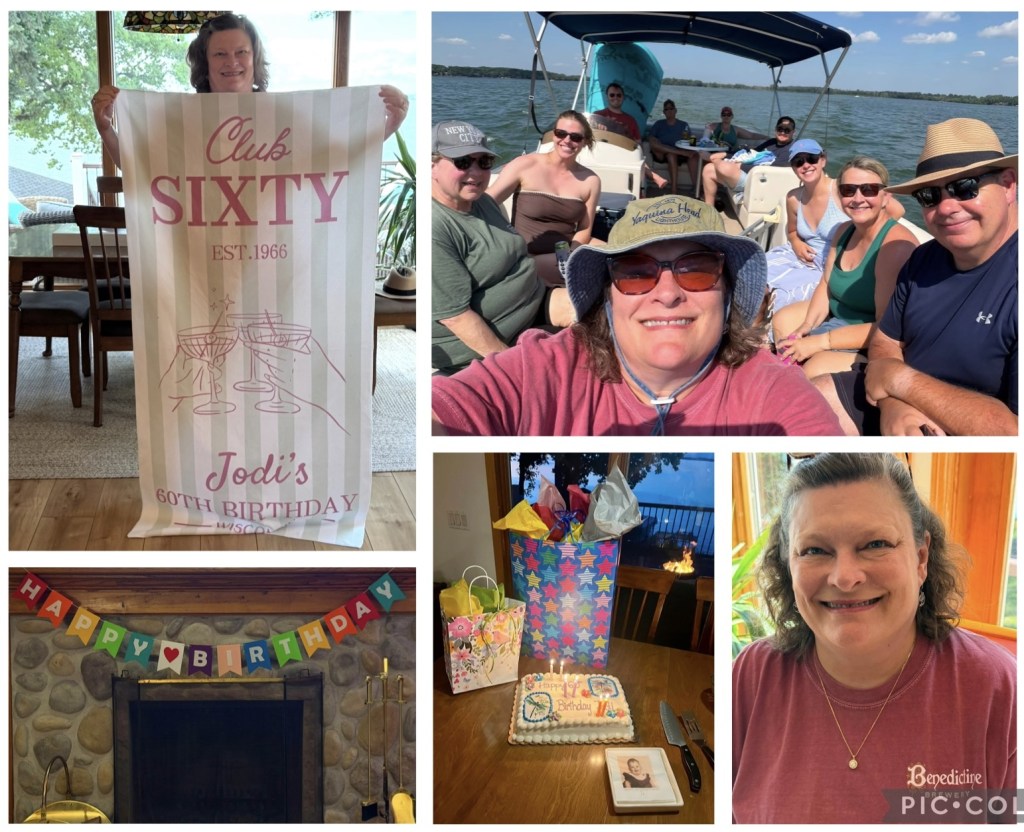
July 11, the Feast of St. Benedict, is also my birthday. (And oops, I was having so much fun celebrating my 60th birthday that I forgot to share this post.) Although I could not be more delighted to have St. Benedict as my patron saint, I must admit that I was pretty disappointed when I first discovered it.

I believe in birthday weeks, celebrations, having fun, and the Rule of St. Benedict!

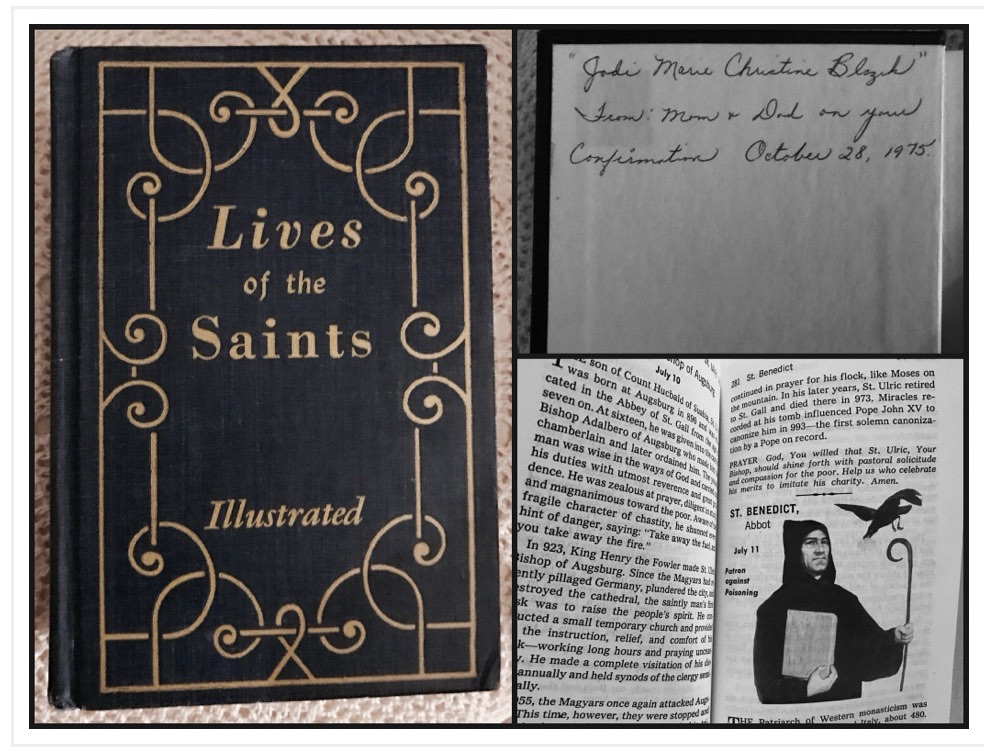
My parents had given me an illustrated book of the “Lives of the Saints” for my Confirmation. As any nine-year-old would do, I immediately looked to see who the saint was for July 11, my birthday. A lovely woman saint with a beautiful name, I had hoped. Perhaps Elizabeth or Mary, Theresa or Christine (my confirmation name) would be my special saint.

Instead, I saw an illustration of a man with a dark hood, a scary-looking bird, some sort of walking cane, and an unusual name that I had only associated with Benedict Arnold, a famous American traitor.

July 11, St. Benedict, Abbot, it said.

I had never heard of St. Benedict and surely did not know what an Abbot was. Through the years, I returned to these pages often, thinking that I should have some connection with this man, my patron saint.

Fast forward 26 years. Married, a mother of a seven-year-old daughter, a high school teacher, and a club sponsor, I had a full, busy, and satisfying life, yet also a longing for silence. An advertisement for a contemplative prayer retreat in our local newspaper caught my eye. It promised an “oasis of peace” at a retreat house in the cornfields of Nebraska called St. Benedict Center.

And then I remember St. Benedict. My saint.

Continue reading “July 11–My Birthday & The Feast of St. Benedict”

Images of Faith: The Sacred Heart of Jesus and My Grandma

Images are so powerful. They tap into the pool of memories, both personal and universal, that are deep within us. One image can be understood in so many ways—for different people, faiths, and cultures, or for the same person over time.

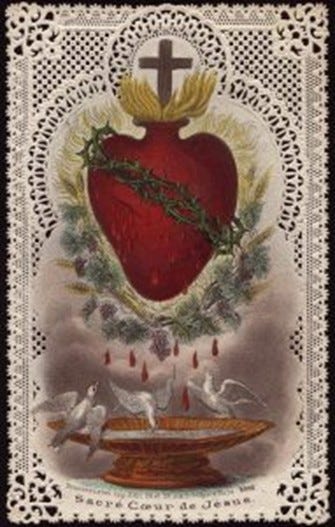
In June, the Catholic Church observes a special devotion to the Sacred Heart of Jesus. Whenever I see an image of the Sacred Heart of Jesus pop up in my social media feed or in a spiritual setting, memories of my grandma come flooding back.

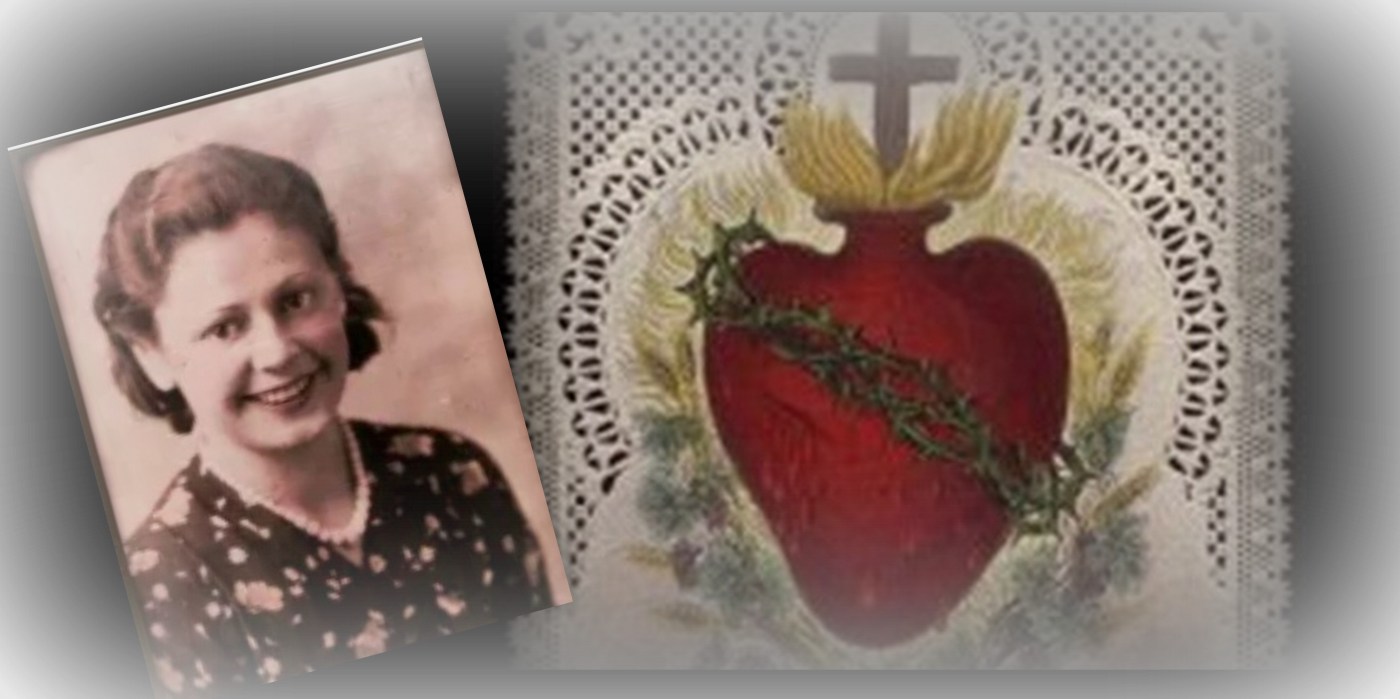
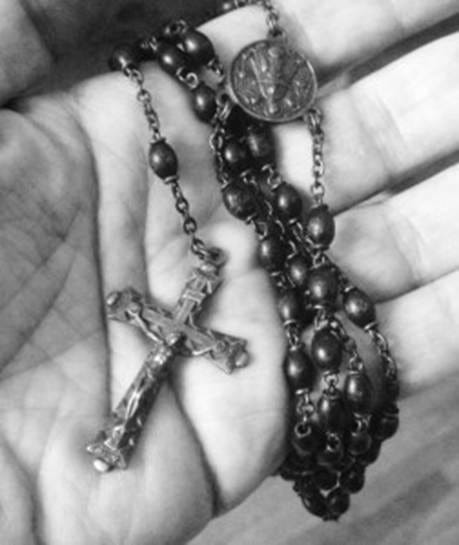
She had a framed image of the Sacred Heart between her living room and her kitchen. As a young child, I remember wondering why the heart had fire and blood on it…and, quite honestly, I was a little afraid of the image. I never asked about it, and she never said anything either. Same with the rosary on her nightstand (pictured below). Or the prayer cards on her dresser. But I remember them. Those images communicated a deep faith in Catholicism and belief in and devotion to Jesus that I intuitively knew she had.

rosary

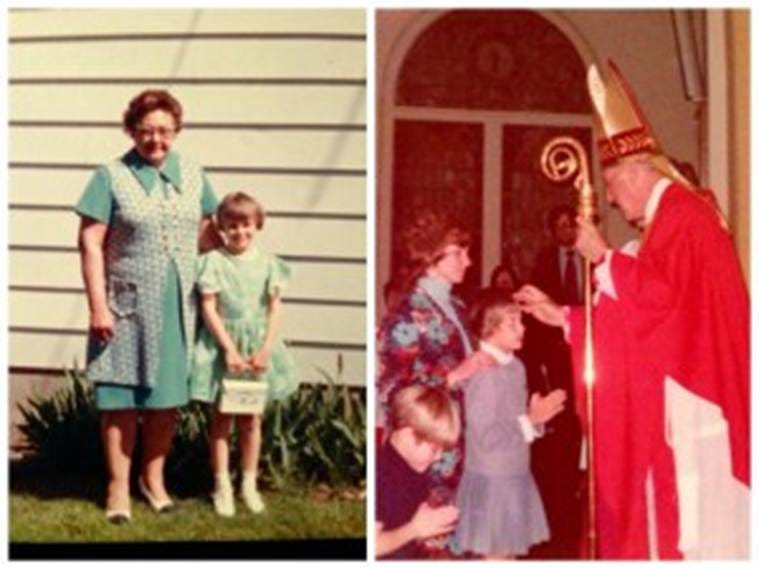
We didn’t talk much about faith, but she always encouraged her sons, their wives, and grandchildren to go to church, and she was so proud when I received my First Communion and Holy Confirmation. Her faith in God was important to her, but she didn’t need many words to convey it.

Communion Confirmation

So often, words can narrow an experience, while images can broaden our understanding and invite new insights. Words are road signs to an understanding or experience, but it is through images, with their universal and archetypal qualities, that we make connections. Images stand the test of time, linking generations and reaching across cultures.

In Why We Need Fairytales Now, a Wonder Cabinet podcast interview, author Sharon Blackie shares how images are a gateway to wonder. “Images come to us with a moral claim. They reveal themselves to us, and they nag at us, and they gnaw away at us, and they will not let us go… it is the beauty of image…It has its own process of becoming.”

No doubt, words help us understand, articulate, and explain, but as I age and grow, I find that words that used to be sufficient to express my beliefs need to be reimagined. My understanding of God and others has evolved with new experiences and insights. I like searching for, writing, and finding words that resonate with me—that give me the feeling that YES, that’s IT!! THAT’S what I believe, THAT’S how I feel! I love words. I love to write them, and I love to read them.

But increasingly, it’s images that take me to a place of connectedness with God, a place that is beyond words. Images can be a path to contemplative prayer. Images connect to the essence of what I believe, as words simply attempt to clarify or define, but always fall short. Images take me into the Presence, the Mystery of Christ.

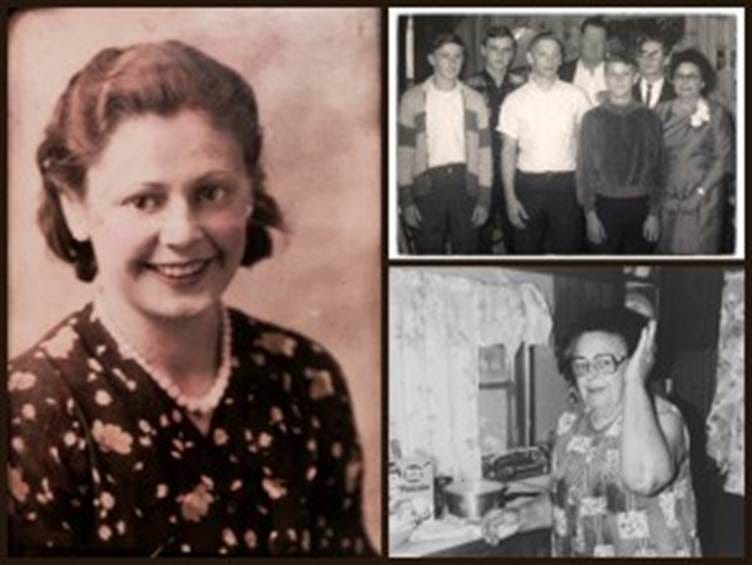
grandma collage
Helen Theresa Raiter Blazek, November 16, 1914 – June 16, 1984

Meditating upon an image, such as the Sacred Heart of Jesus, allows the image to penetrate our entire being. We open our hearts to hearing what God is saying at this moment, with an image. We let the Holy Spirit bring us heart understanding rather than just intellectual understanding (flashback to memorizing catechism questions for my Holy Confirmation!) The Sacred Heart of Jesus reaches beyond the mind into our body and spirit. Christ’s infinite love surrounds, permeates, and emanates. The mystery of Christ becomes its fullest expression.

What images of your faith have resonated with you through the years? How was faith communicated through the generations in your family? Share in the comments.

May you have a Blessed Feast of the Sacred Heart of Jesus.

© Jodi Blazek Gehr, Being Benedictine Blogger
The Right Book at the Right Time

Celebrating my love of books and synchronicity on World Book Day!

As both a bibliophile and a believer in synchronicity, I love it when the right book comes along at just the right time.

Whether at home or away, I always have a book, or ten, by my bedside and a couple of audiobooks in progress. I like to have choices.

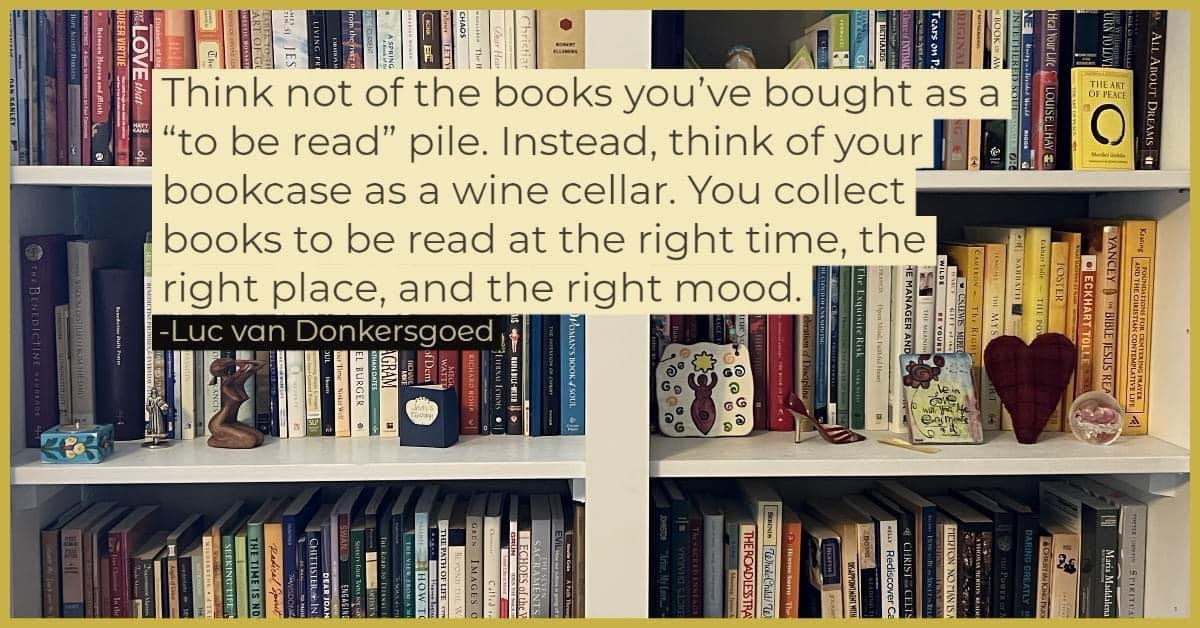
I have dozens of books on my shelves that I want to re-read (and do) (and will), especially for planning retreats that I lead, and I have dozens waiting for just the right time to open. I have a To Be Read shelf on Goodreads that I add to daily (467 at last count). There is no chance in my lifetime that I will get them all read, but no matter. I find this advice wonderful:

“Think not of the books you’ve bought as a ‘to be read’ pile. Instead, think of your bookcase as a wine cellar. You collect books to read at the right time, the right place, and the right mood.” -Luc van Donkersgoed

Reading a good book can inspire, motivate, and encourage. A good book can take you to another world in your imagination, create or satisfy your curiosity, help you learn new information, or impart life lessons. A good book can make you wonder, help you solve a problem, and make you laugh or cry. A good book can challenge you, make you angry, make you happy, or help you understand. A good book is satisfying.

I have heard “the buying of more books than one can read is nothing less than the soul reaching toward infinity.”

A. Edward Newton

I cannot get enough of books, and I am okay with that. For all of my days, I will reach towards the wonder of stories yet to be read, things to be learned, feelings to be felt. My soul reaches toward infinity…

Sharing a few reflections on books that have touched me (and so many more to come):

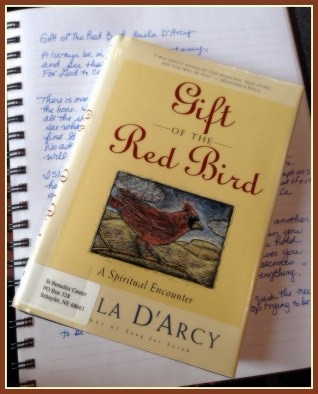
The Right Book at the Right Time: A Divine Encounter (The Red Bird by Paula D’Arcy)

A Journey with The Little Prince (The Little Prince by Antoine de Saint-Exupéry)

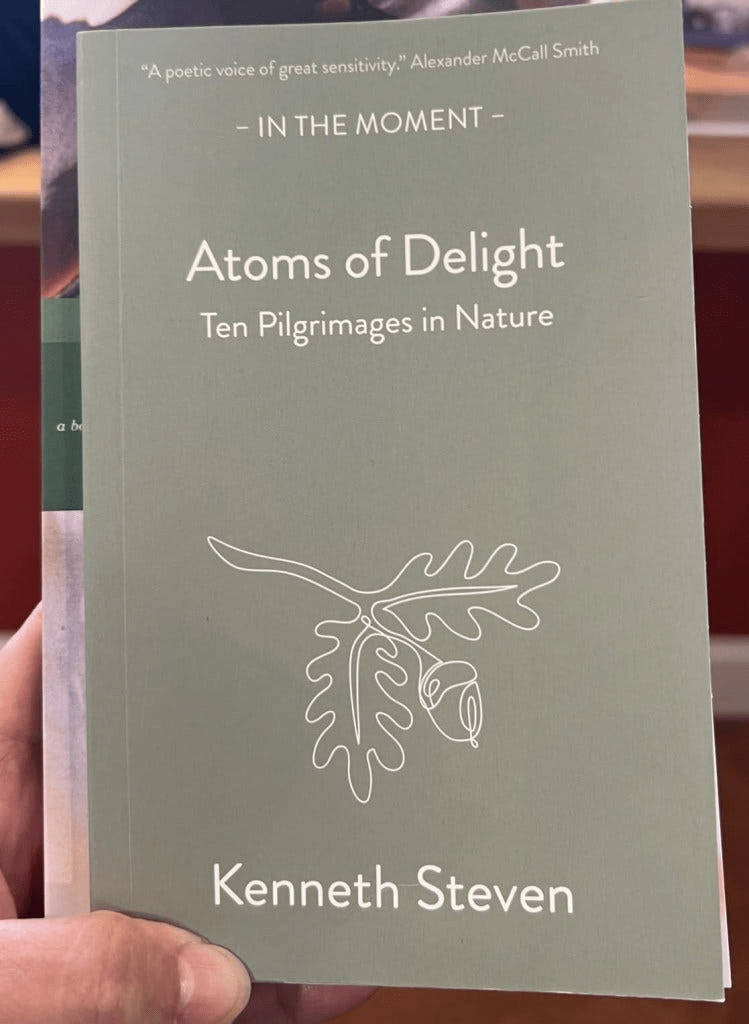
Atoms of Delight: A Pilgrimage to Iona (Atoms of Delight by Kenneth Steven)

The Book of Longings (The Book of Longings by Sue Monk Kidd)

Why I Teach (The Courage to Teach by Parker Palmer)

You Say I am Loved and That Is Enough (Made for Goodness by Desmond Tutu)

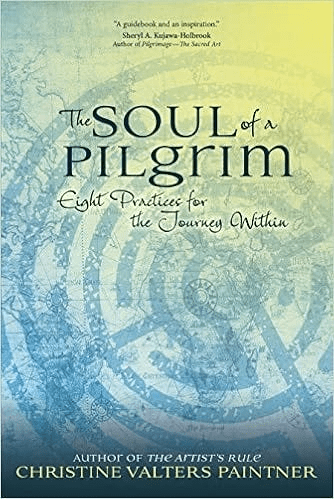
Home Is The Nicest Word There Is  (Soul of a Pilgrim by Christine Valters Paintner)

Naked Before God (Soul of a Pilgrim by Christine Valters Paintner)

The Soul of a Pilgrim: A Benedictine Pilgrimage, Part 1 (Soul of a Pilgrim by Christine Valters Paintner)

© Jodi Blazek Gehr, Being Benedictine Blogger
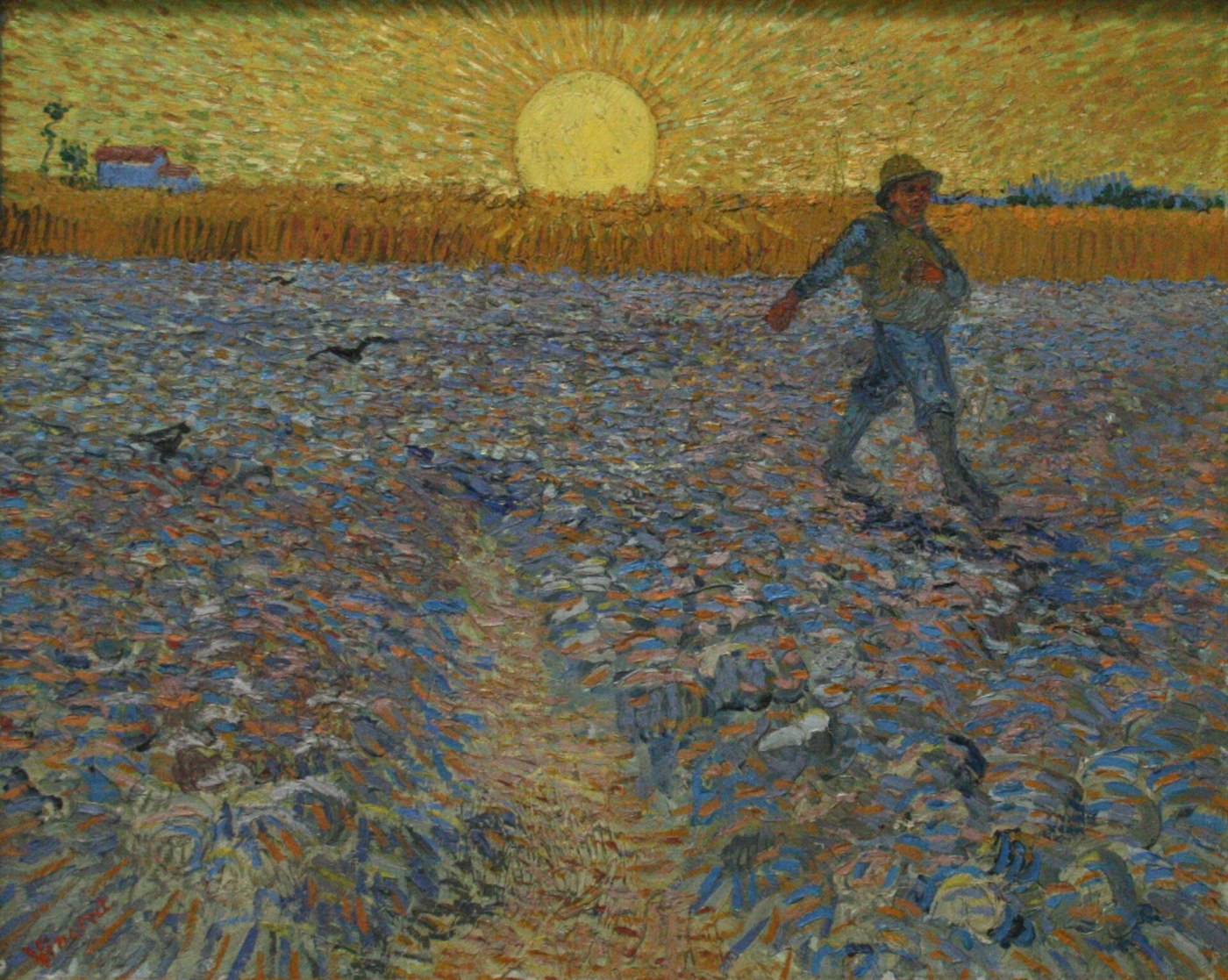
The Sower and The Seed

“It has been said that in recent decades we have been moving from the experience of authority to the authority of experience. More people are giving value to their own spiritual experience…(recognizing) the presence and unique whispers of God in our personal lives…” Tilden Edwards, Foreword, Saint Benedict on the Freeway

This is precisely what the practice of Lectio Divina, sacred reading, brings to one’s spiritual journey. We contemplate what we read, reflecting on the words or phrases that resonate, listening to the voice of God for insights and wisdom. It is a personal experience of what a text uniquely says to us. It can work for all great literature, poetry, scripture, and sacred writing.

As if through the lens of a kaleidoscope, with each turn one sees a slightly different message, a new perspective, another a-ha! Likely, you have heard The Parable of the Sower many times, but TODAY may bring something new to embrace. With return visits to a passage, we come to understand that we are always learning, drawing new insights based on where we are in our spiritual journey and season of life.

At the April 2026 Oblate meeting of Christ the King Priory, as is our monthly practice, we read and reflect on a scripture passage. The Parable of the Sower (Matthew 13:1-9) with readings from a new book selection, Saint Benedict on the Freeway, and The Rule of St. Benedict, Chapters 31-35, was the focus.

Matthew 13:1-9, The Parable of the SowerOn that day, Jesus went out of the house and sat down by the sea. Such large crowds gathered around him that he got onto a boat and sat down, and the whole crowd stood along the shore. And he spoke to them at length in parables, saying “A sower went out to sow. And as he sowed, some seed fell on the path, and birds came and ate it up. Some fell on rocky ground, where it had little soil. It sprang up at once because the soil was not deep, and when the sun rose it was scorched, and it withered for lack of roots. Some seed fell among thorns, and the thorns grew up and choked it. But some seed fell on rich soil, and produced fruit, a hundred or sixty or thirtyfold.  Whoever has ears ought to hear.”

So often we interpret this story as a particular person being like the rocky ground, the rich soil, and so on, but the author of Saint Benedict on the Freeway: A Rule of Life for the 21st Century, Corinne Ware asks: “If I were to think of myself as having within me all the varieties of soils, in other words, of manifesting each of these varied responses to God, how then would I see myself as the subject of this parable?” We can read this parable, a short story intended to teach spiritual truths, in many ways.

Continue reading “The Sower and The Seed”

A Journey with The Little Prince

It has been several years since I spent time with “Le Petit Prince” and the young pilot, but when I read that it was the 80th anniversary of The Little Prince, a novella written and illustrated by French aviator Antoine de Saint-Exupéry, I immediately ran to my bookshelf, pulling the slim blue volume from my cherished re-reads shelf.

Each time I read it, I glean something new—a spiritual lesson, an insight about what is essential, a new way to think about time, friendship, life, and death. The Little Prince is a treasure to many. Over 300 million copies have been sold worldwide, making it one of the best-selling and most widely read books in history.  It has been translated into 600 different languages and dialects worldwide, second only to the Bible. There is something very special, mystical even, about this story that transcends age, culture, religion, or language.

It took less than an hour (in real life) to take the transcendent journey with the six-year-old pilot who had “flown almost everywhere in the world,” and the Little Prince who traveled from his home asteroid B-612, “where everything is very small.” They meet in the Sahara Desert, “in the face of an overpowering mystery,” where the pilot has crash-landed, and the prince has been on a voyage to other planets.

As the pilot and the prince share the journeys that brought them together, I am in awe of the impact that great literature and storytelling can have on a reader, offering so many spiritual lessons. As if through the lens of a kaleidoscope, with each turning, one sees a little different story, a new perspective. Rotate it towards the light, and yet another image is revealed. This is the mystery of sacred reading, or Lectio Divina. For me, this turn of the kaleidoscope captured the importance of living life more soulfully with childlike wonder and joy, a reminder that my worth cannot be counted.

How Grown-Ups See The World

In The Little Prince, we see, for instance, that the way grown-ups see the world is less than ideal. Consumed with facts, tasks to be completed, and accumulating possessions, grown-ups with heightened self-importance are more concerned with financial value, usefulness, meeting expectations, and making sure their expectations are met.

Continue reading “A Journey with The Little Prince”

The Day St. Benedict Died

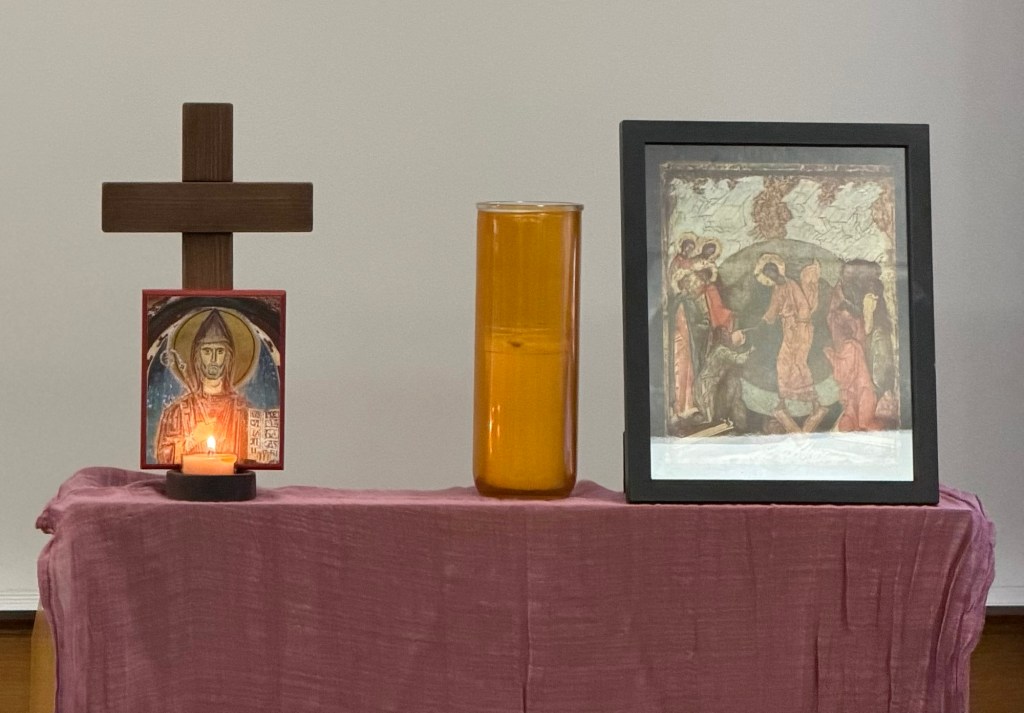
The day St. Benedict died, he was ready. 

In the Rule of St. Benedict, he instructs, “Keep death daily before your eyes” as a way of life. At the Abbey of Montecassino, where St. Benedict wrote his Rule for monks, there is a statue in the courtyard depicting the moment of St. Benedict’s death.

Montecassino Abbey, the statue depicts the passing of St. Benedict. Photo by Jodi Gehr, 2017.

On March 21, Benedictines around the world celebrate the “transitus,” St. Benedict’s passing from one state to the next, from death into life. Death is not seen as final, but rather a transition into eternity with God.

St. Gregory the Great writes about St. Benedict’s last days:

“Six days before he died, he gave orders for his tomb to be opened. Almost immediately, he was seized with a violent fever that rapidly wasted his remaining energy. Each day his condition grew worse until finally, on the sixth day, he had his disciples carry him into the chapel where he received the Body and Blood of our Lord to gain strength for his approaching end. Then, supporting his weakened body on the arms of his brethren, he stood with his hands raised to heaven and, as he prayed, breathed his last.” (St. Gregory the Great, Book Two of Dialogues, chapter 37).

The advice to keep death always in our minds is the core of being Benedictine and living soulfully. Perhaps this sounds morbid, but it encourages me to live each moment with wonder and gratitude, with purpose, on purpose, and to be attentive to the present moment.  Practicing gratitude, having no regrets, living with death daily before your eyes, as St. Benedict writes, and leaving something beautiful from a life well lived, help prepare us for a more peaceful transition from here to eternity. St. Benedict’s life and death are an exemplar for how we are to be Benedictine.

Continue reading “The Day St. Benedict Died”

How To Bear Discomfort Well

I do not bear discomfort well, I said, half-seriously, half-jokingly, to my son-in-law, John, the other day, as I took a little longer to get out of the car than the rest of the family. We both laughed as John noted that his wife shares this same trait at times. Like mother, like daughter.

It was a cold day in Nebraska, so we had to bundle up to go out, but once we were in the car, and the heat kicked in, I broke out into a sweat. Struggling in the back seat, off comes the coat. Two minutes later, we arrived at our destination. I wrestled my coat back on to re-enter the frigid temperatures. (An aside: Nebraska weather is a burden of extremes, from hot to cold. Our low temperature today is 12 degrees; on Saturday, 89 degrees is forecasted—how is one to cope?)

To add to my discomfort, several weeks ago, I sprained the peroneal tendons in my right foot. I will spare you the details, but it is reminiscent of the broken arm I experienced three years ago. Let’s just say—it adds to my discomfort, and I repeat, I don’t bear discomfort well. I feel a little guilty (and more discomfort) about admitting this out loud to John and writing it now. There are so many people suffering throughout the world—from war, displacement, poverty, hunger, trauma, poor health, grief, and every imaginable and unimaginable discomfort.

It is a lot for each of us to bear—our own discomfort and the wounds of the world that we also carry in our thoughts, physical bodies, emotional responses, and spirits. So much discomfort, uncertainty, ambiguity, and waiting can make us irritable and impatient—and there is so much to activate our discontent these days.

Recently, on my Being Benedictine Facebook page, I shared some wisdom from Pierre Teilhard de Chardin. Within 24 hours, the post had 130 times the average likes, comments, and views of a typical post.

This idea of waiting, and the discomfort that results, seems to resonate with many these days. It is increasingly challenging to “trust in the slow work of God,” and we need constant reminders that this is how we must cope.

Continue reading “How To Bear Discomfort Well”

International Women’s Day & A Prayer of Longing

“Lord our God, hear my prayer, the prayer of my heart. Bless the largeness inside me, no matter how I fear it. Bless my reed pens and my inks. Bless the words I write. May they be beautiful in your sight. May they be visible to eyes not yet born. When I am dust, sing these words over my bones: she was a voice.” –Ana, The Book of Longings

In The Book of Longings by Sue Monk Kidd, Ana writes this prayer of longing on the incantation bowl her aunt Yaltha has gifted her. 

“Do you know what an incantation bowl is?” Yaltha asked. “In Alexandria we women pray with them. We write our most secret prayer inside them…Every day we sign the prayer. As we do, we turn the bowl in slow circles and the words wriggle to life and spin off toward heaven.”

On International Women’s Day, we celebrate the social, economic, cultural, and political achievements of women. We honor the women who have a “secret prayer inside them” to improve the quality of life for women, to raise awareness of discriminatory treatment, and to seek inclusiveness and equality for future generations.

In The Book of Longings, Sue Monk Kidd, one of my favorite writers, shared that she wanted “to write a story that encouraged us to follow our longings and bring forth the largeness inside ourselves…to portray how much women’s voices and stories matter.”

Ana’s prayer of longing is to have a voice, to be heard, and truly listened to. Ana lives during the time of Jesus when women’s stories were not valued or heard, often intentionally silenced and oppressed. Like Ana, we long for our authentic selves to be seen and heard. When we are listened to, we know that we are loved.

“All my life, longings lived inside me, rising up like nocturnes to wail and sing through the night. That my husband bent his heart to mine on our thin straw mat and listened was the kindness I most loved in him. What he heard was my life begging to be born.”-Ana, The Book of Longings

Listening is an important theme in The Book of Longings. St. Benedict thought it was so important to listen that it is the first word in the Rule. “Listen carefully, my son, to the master’s instructions, and attend to them with the ear of your heart.” John McQuiston II, in Always We Begin Again, The Benedictine Way of Living, paraphrases, “Listen with the heart and mind.” These instructions to listen to God extend to the many ways God may speak to us—through our daily circumstances, unique situations, the people in our lives, and in our hearts and minds through the voice of truth within us.

Continue reading “International Women’s Day & A Prayer of Longing”

Blog at WordPress.com.

Up ↑